Prime Minister Peter Magyar revealed on Sunday his intention to nominate Judit Polgar, universally acknowledged as one of the most accomplished female chess players in the sport's history, to serve as Hungary's next President. The position, primarily ceremonial in nature, would represent a significant shift in how Hungary selects its head of state, moving beyond traditional political circles to recognise achievement in the international arena.
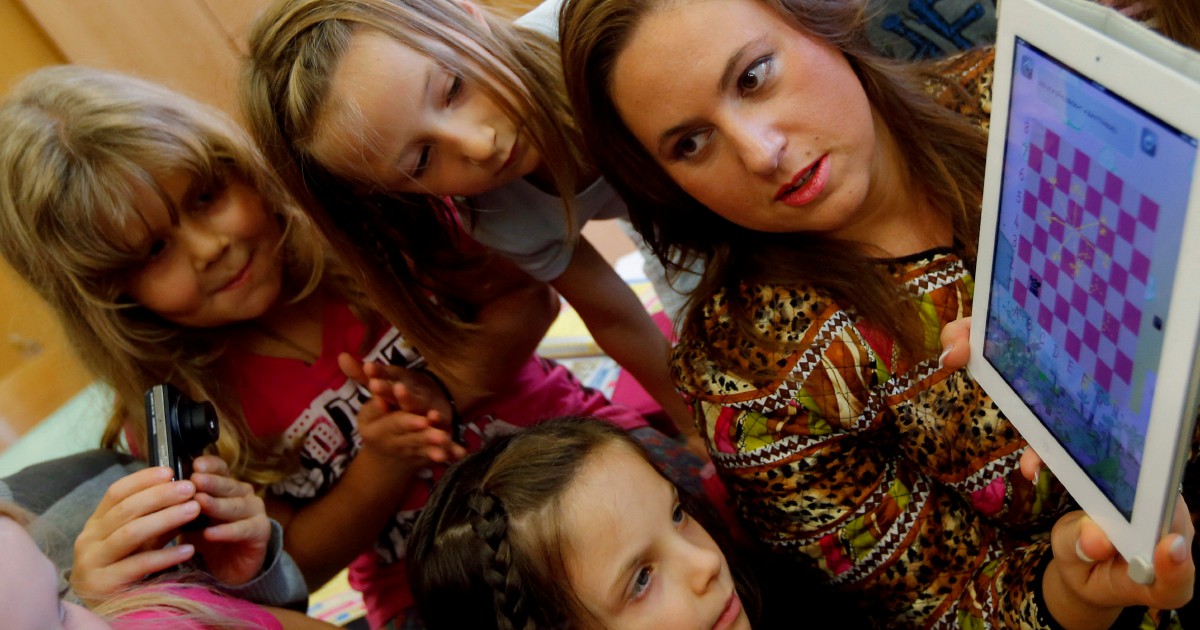
Polgar's credentials as a world chess phenomenon are exceptional. She became a grandmaster at the remarkably young age of 15 years and five months, making her the youngest grandmaster in history at that time—a record that stood until 2002. Her ascent through the ranks of professional chess was marked by sustained excellence, defeating numerous world champions and maintaining elite status throughout a career spanning decades. The Hungarian chess prodigy's achievements extended beyond competition; she published several influential chess analyses and founded the Polgar Chess Foundation, which developed novel methodologies for teaching chess to children and training young players.
The proposition highlights a broader trend in European politics wherein states increasingly seek figures of international stature for ceremonial positions, recognising that such roles can project national pride and cultural achievement on the world stage. By nominating Polgar, Magyar signals Hungary's desire to celebrate intellectual accomplishment and sporting excellence as core national values, particularly in an era when chess continues to capture global imagination through both traditional tournaments and modern digital platforms.
Hungary's presidential system places substantial executive authority with the Prime Minister, rendering the presidency largely representative rather than executive. This constitutional arrangement has historically meant that presidential candidates often come from the political establishment, selected to honour party loyalty or facilitate consensus building. Polgar's potential candidacy would represent a departure from this conventional approach, potentially energising broader segments of Hungarian society who feel disconnected from traditional politics.
The timing of Magyar's announcement carries significance within Hungary's contemporary political landscape. Having recently assumed office, Magyar has positioned himself as a reformer intent on modernising Hungarian institutions and restoring international standing. The nomination of a globally recognised figure like Polgar could serve multiple strategic purposes: enhancing Hungary's cultural soft power, signalling openness to unconventional leadership perspectives, and potentially broadening the government coalition's appeal beyond core constituencies.
For the Southeast Asian context, Polgar's potential elevation underscores how regional powers across Asia, Europe and beyond increasingly recognise chess as both a cultural ambassador and intellectual benchmark. Vietnam, Thailand, and the Philippines have each invested substantially in chess development programmes, recognising that producing world-class players generates international recognition disproportionate to financial investment. Hungary's approach of elevating a chess champion to national leadership may inspire similar considerations in the region, particularly among countries seeking to leverage cultural achievements for diplomatic purposes.
Polgar herself has maintained a relatively low political profile throughout her adult life, focusing primarily on chess development, education, and business ventures. Her acceptance of the presidential nomination would mark a significant departure from her established trajectory, necessitating her withdrawal from or substantial reduction of other professional commitments. The decision ultimately rests with Polgar, and whether she chooses to accept will depend on her personal assessment of the role's value and her appetite for public office.
The proposal also reflects broader European discussions regarding meritocracy and institutional reform. Across the continent, policymakers increasingly question whether traditional pathways to high office adequately identify and cultivate the most capable leaders. By considering a chess grandmaster for the presidency, Hungary joins other nations experimenting with alternative recruitment mechanisms for state positions, particularly ceremonial roles that benefit from internationally recognised figures.
Hungary's relationship with international institutions and Western allies has been complex in recent years, with disagreements over judicial independence and democratic standards. Appointing Polgar as President could contribute to efforts to rehabilitate Hungary's international image and demonstrate commitment to recognising achievement through merit rather than purely political calculations. Her elevation would underscore that Hungary values intellectual excellence and remains capable of producing world-class talent in competitive domains.
The chess world has watched Polgar's career trajectory with sustained interest, and her potential involvement in high-level politics would inevitably shape discussions about celebrity in governance, the politicisation of sports figures, and whether competitive achievement in chess translates to capability in state administration. Observers across the region will be particularly interested in whether this appointment model gains currency elsewhere in Central and Southeast Asia, where chess development programmes continue expanding significantly.

