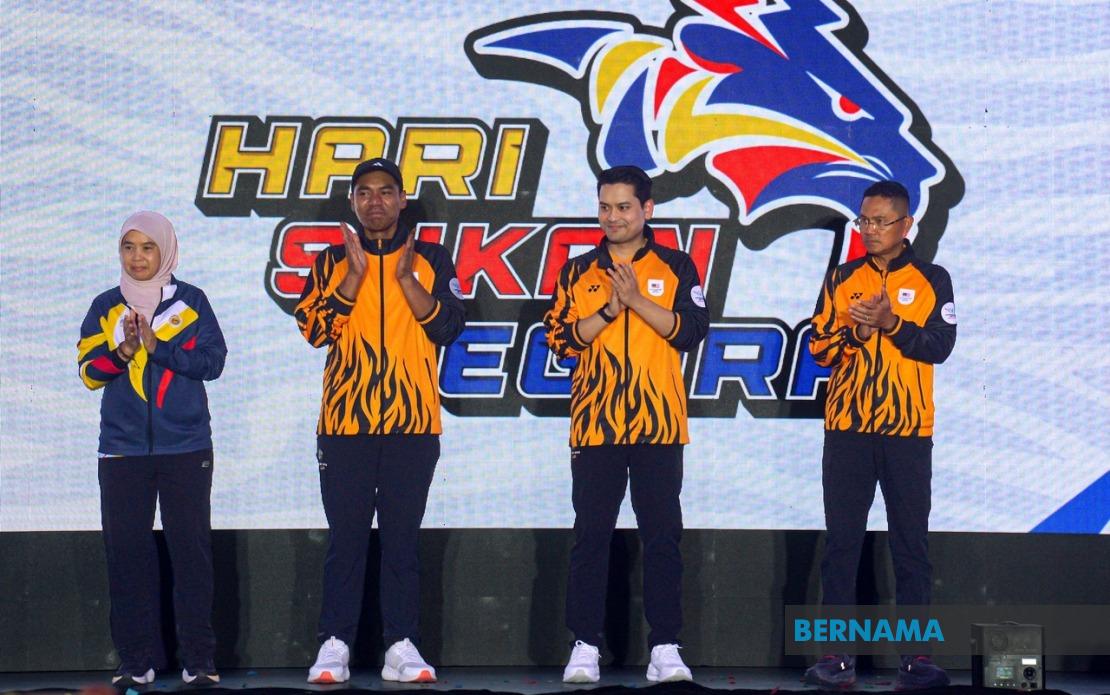
Malaysia's National Sports Day celebration in 2026 will aim to draw participation from more than 5.3 million citizens through coordinated sports and recreational initiatives spanning district, state and national levels. The three-day event, scheduled for October 9 to 11, represents an ambitious effort to mobilise the nation around physical activity while positioning sports development within a digital-first framework.
Youth and Sports Minister Dr Mohammed Taufiq Johari unveiled the fresh direction for HSN 2026 at a pre-launch ceremony in Putrajaya on July 16, revealing a redesigned logo and a thematic focus on integrating digital technology and artificial intelligence throughout sports programming. This repositioning signals a conscious effort by Malaysia's sports administration to modernise its approach, moving beyond traditional grassroots initiatives toward initiatives that reflect contemporary technological capabilities and societal expectations.
The ministry's strategy encompasses embedding AI and digital tools into sports development while simultaneously encouraging broader public participation. Rather than treating technology and physical activity as separate domains, the approach seeks to demonstrate how digital innovation can enhance sports engagement and accessibility for Malaysians across age groups and fitness levels. The integration reflects a global trend in sports administration where data analytics, virtual platforms and digital engagement become central to promoting athletic participation.
A particularly innovative element of the HSN 2026 pre-launch involved extensive use of virtual reality technology, offering attendees an immersive preview of how the event might incorporate such tools. This VR component represents more than mere novelty; it exemplifies the ministry's commitment to aligning sports promotion with Malaysia's broader digitalisation agenda. The decision to employ cutting-edge technology at the pre-launch itself sends a message about the evolving nature of sports engagement in an increasingly digital society.
One notable dimension of the ministry's thinking involves reframing e-sports and video gaming within a public health context. While e-sports often enjoys popularity among youth, critics argue such activities lack the physical benefit of traditional sports. Dr Mohammed Taufiq articulated a vision where participants engaged with e-sports and video games remain encouraged toward concurrent physical activity, creating a hybrid approach that acknowledges contemporary leisure preferences while promoting overall wellness. This nuanced positioning could prove effective in reaching demographics traditionally resistant to conventional sports messaging.
The national-level launch will take place at the National Stadium in Bukit Jalil on October 10, with Prime Minister Datuk Seri Anwar Ibrahim officiating the ceremony. The stadium's selection carries symbolic weight, establishing HSN 2026 within Malaysia's premier sporting venue and signalling governmental commitment to the initiative's prominence. The timing and venue choice position the event as a major national occasion rather than a routine annual programme.
Malaysia's hosting of the 2027 Southeast Asian Games provides crucial context for HSN 2026's significance. The ministry explicitly positions the National Sports Day as a platform for building public enthusiasm and support ahead of the regional competition. By coordinating HSN 2026 with the Malaysia SEA Games Organising Committee, the government creates a layered engagement strategy where the national celebration serves dual purposes: immediate sporting participation and longer-term preparation for hosting a major international event.
Planned programming includes the MADANI Fun Run and MADANI Fun Walk, along with offerings under the Active Malaysia segment and Sports Industry initiatives incorporating Rakan Muda Lifestyle elements. This diversified activity menu aims to accommodate varying fitness levels and preferences, from competitive running to leisurely walking and structured lifestyle programmes. The breadth of offerings reflects recognition that participation motivation varies significantly across demographic segments.
The SEA Games Roadshow component, being organised jointly with MASOC, extends HSN 2026's reach beyond the immediate three-day celebration. By creating an extended roadshow promoting the 2027 Games throughout Malaysia, authorities seek to build anticipatory excitement and familiarity with hosting arrangements. For Malaysian sports stakeholders, this integrated approach offers additional visibility and promotional opportunities within a structured national framework.
For regional observers, HSN 2026 demonstrates how Southeast Asian nations increasingly balance traditional sports promotion with technological innovation. Malaysia's explicit adoption of AI and digital themes acknowledges that modern sports engagement must speak to digitally-native audiences while maintaining appeal to broader demographics. The model could influence how other ASEAN countries structure their own sports development initiatives and national celebration events.
The targeting of 5.3 million participants represents an ambitious but potentially achievable goal given Malaysia's population of approximately 34 million and the multi-level structure allowing participation from rural and urban areas alike. Success will depend on effective communication cascading from national announcements through state and district coordinators to community level, ensuring grassroots organisations understand programming details and can mobilise participation effectively.
For Malaysian sports administrators and policymakers, HSN 2026 encapsulates a forward-looking vision integrating technological advancement with public health objectives. By framing sports participation within digital literacy and AI integration narratives, the ministry positions physical activity as relevant to contemporary Malaysian concerns about technological competitiveness and digital preparedness. This conceptual linking may prove more persuasive to younger demographics than traditional wellness messaging alone.

