Microplastics have become an inescapable environmental problem, infiltrating drinking water, food supplies, and human tissues across the globe. Yet many gardeners remain unaware that their own soil—the very foundation of food production—may be accumulating these harmful particles. The source of this contamination often lies not in the garden itself, but in the plastic products that gardeners routinely bring home, from seed trays and plant pots to mulch coverings and plant support systems. As these items degrade over months and years, they fragment into microscopic particles that leach into the earth, threatening the complex ecosystem of beneficial bacteria and fungi that healthy soil depends upon. For environmentally conscious gardeners in Malaysia and across Southeast Asia, where agricultural productivity remains crucial to food security, understanding and minimizing this plastic footprint has become increasingly important.
The accumulation of microplastics in soil represents a particularly insidious form of pollution because it occurs gradually and invisibly. Common household plastic items—food containers, kitchen tools, detergent bottles—contribute to this problem, but gardening materials deserve special attention given their direct contact with growing media and edible crops. Consumers often overlook the fact that buying plants already potted in plastic, storing fertilizers in plastic bags, and using plastic-lined garden beds creates a cumulative burden that doesn't simply disappear. Instead, ultraviolet exposure, weather stress, and degradation transform these materials into increasingly smaller particles that integrate themselves into the soil matrix and eventually into the food chain. For Malaysian households practicing home gardening—whether growing herbs, vegetables, or ornamental plants—the stakes are particularly high since many families consume produce grown in their own soil.
The solution begins with a fundamental shift in purchasing decisions and garden practices, starting with how plants are started and housed. Rather than relying on conventional plastic seed-starting trays, gardeners can invest in soil-blocking kits that use metal moulds to create compressed blocks of growing medium without any plastic containers. This approach not only eliminates plastic waste but also produces superior results: the exposed edges of soil blocks encourage roots to stop their outward expansion and instead develop a denser, more fibrous root system through a process called air-pruning. When seedlings grown this way are transplanted into garden beds, they establish themselves more rapidly and efficiently than plants grown in traditional plastic pots that restrict and distort root development. For those seeking simpler alternatives, biodegradable options made from coconut coir or composted manure are now widely available and function identically to plastic trays while breaking down naturally in soil.
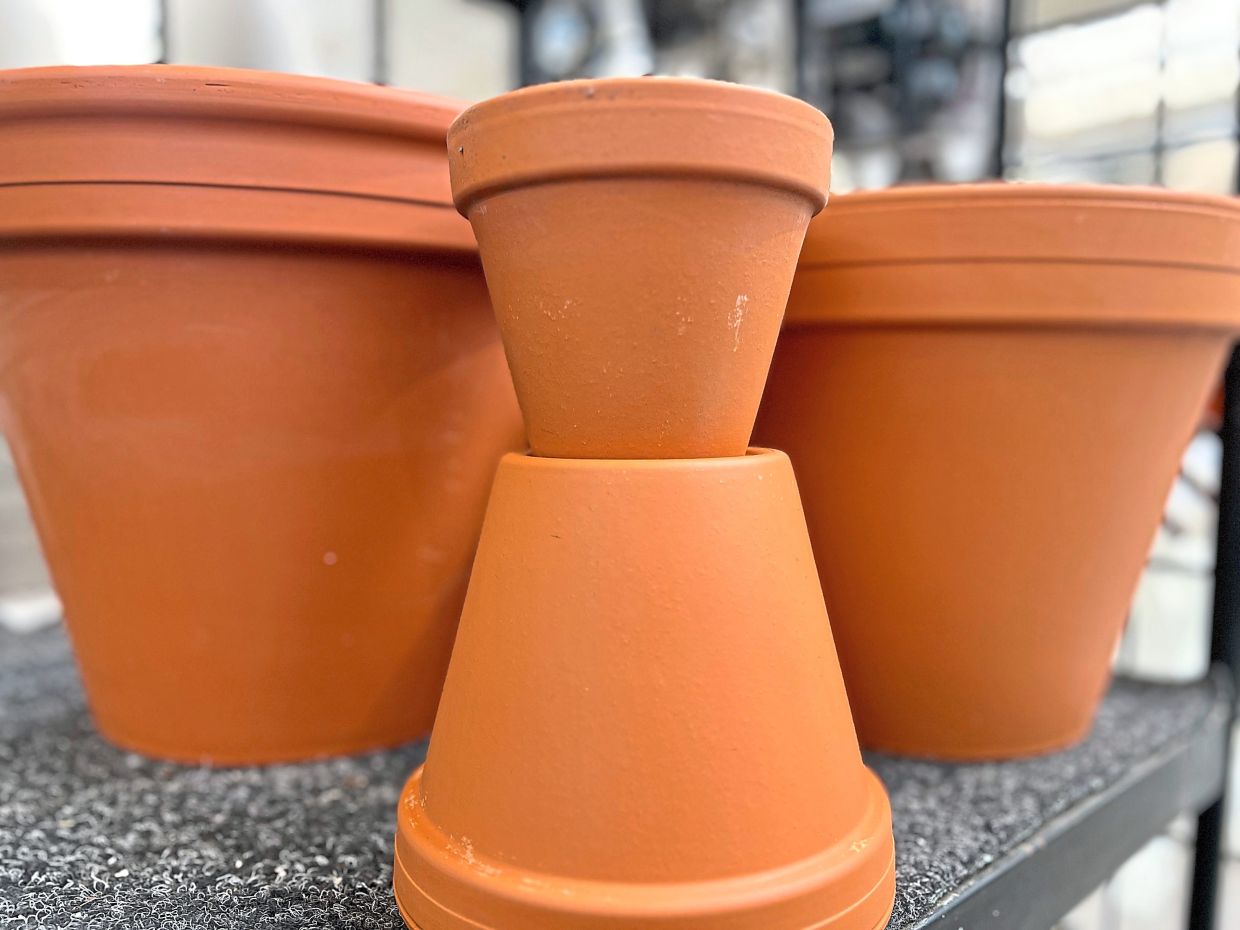
When selecting containers for mature plants, the range of plastic-free options has expanded considerably. Terracotta remains a timeless choice that provides excellent drainage and allows soil to breathe while adding aesthetic appeal to any garden space. Wooden containers suit larger specimens and fit naturally within Southeast Asian garden aesthetics, while fabric grow bags made from natural fibres have gained popularity for growing root vegetables, herbs, and tomatoes. These bags, which typically feature roll-up sections for easy harvesting in potato varieties, offer the advantage of air-pruning roots while remaining completely plastic-free when manufactured from natural materials rather than synthetic polymers. Purchasing bare-root plants rather than those sold in plastic containers represents another straightforward decision that reduces plastic consumption while often lowering costs at the point of sale.
Compost management offers an overlooked opportunity to reduce both plastic consumption and the need for commercial soil amendments. By establishing a home compost system, gardeners can recycle organic household waste while producing their own high-quality soil amendment—eliminating the need for bagged compost that comes wrapped in plastic. Beyond environmental benefits, homemade compost provides complete transparency regarding inputs and eliminates concerns about contaminants or additives. For those without space or time for composting, purchasing compost in bulk directly from suppliers costs significantly less than pre-bagged alternatives while eliminating plastic packaging entirely. This approach particularly suits Malaysian gardeners managing compounds during the tropical growing season, when organic material decomposes rapidly.
Mulching and ground-covering practices warrant careful reconsideration given the prevalence of plastic landscape fabrics and tarps. Traditional plastic sheeting, often promoted for weed suppression, breaks down into problematic microparticles that eventually intermix with soil. Canvas tarps provide a durable, washable alternative for temporary coverage or protection, while permanent weed management works better through natural materials: shredded bark, wood chips, and dry leaves all suppress weeds effectively while improving soil structure as they decompose. Fire-prone regions may require gravel mulches for safety reasons, but even these represent preferable alternatives to plastic-based systems. The switch away from landscape fabric also improves soil health by allowing better water penetration and microbial activity.
Plant support systems reveal how thoroughly plastic has infiltrated standard gardening practices, yet this category offers straightforward sustainable alternatives. Bamboo stakes, wooden poles, and metal rods accomplish the same structural purpose as plastic supports while contributing nothing to microplastic accumulation. Natural twines made from hemp or jute provide secure fastening that eventually decomposes, in contrast to plastic ties that persist indefinitely in the environment. Even plant markers, seemingly minor items, can shift from plastic towards wooden popsicle sticks or ceramic tags that add a charming, practical dimension to garden organization.
When plastic purchases prove genuinely unavoidable, the durability and longevity of the product become paramount considerations. A sturdy, well-manufactured plastic item intended for decades of use represents a far less problematic choice than disposable, flimsy alternatives that require frequent replacement. This principle applies particularly to seed trays: investing in heavy-duty versions that withstand numerous growing seasons substantially reduces the total plastic volume entering the waste stream compared to using cheap, single-use trays. Such conscious consumption aligns with broader principles of waste reduction and resource efficiency that resonate strongly within environmental and gardening communities across Southeast Asia.
Implementing these practices collectively creates a tangible reduction in household plastic consumption while simultaneously improving soil health, plant growth outcomes, and often reducing gardening expenses. Each individual decision—choosing terracotta over plastic, establishing compost rather than buying bagged amendments, selecting canvas over plastic tarps—represents a small step. Yet the cumulative impact of these interconnected changes across numerous households and gardening seasons produces meaningful environmental benefits. For Malaysian gardeners committed to sustainable food production and protecting the agricultural foundation that their families depend upon, minimizing microplastic contamination in soil represents both an ecological imperative and a practical investment in long-term garden productivity.

