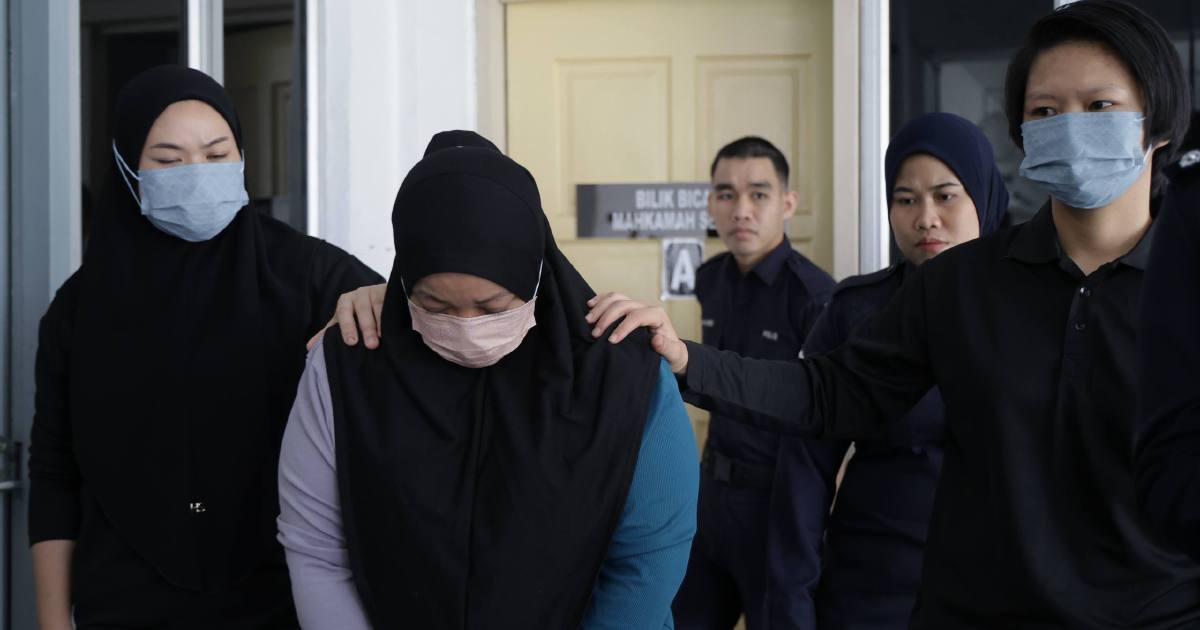
A 39-year-old housewife was brought before the Magistrate's Court in Kota Tinggi today to face a murder charge stemming from the death of a 16-month-old child in her care. The accused, whose identity has been formally registered in court proceedings, is alleged to have caused the fatal injuries to her step-granddaughter sometime last month. The severity of the charge—one of the most serious criminal offences under Malaysian law—signals the gravity of the allegations against her.
Murder charges in Malaysia carry potential sentences ranging from life imprisonment to capital punishment, depending on the circumstances and evidence presented by prosecutors. The nature of the victim's age and the domestic context of the alleged crime have drawn considerable public attention to the case. Kota Tinggi, located in Johor, is one of the state's significant population centres, and cases involving harm to young children typically trigger heightened scrutiny from both law enforcement and community observers.
The circumstances leading to the child's death remain under investigation, with police gathering evidence to support the prosecution's case. In cases involving very young victims, forensic pathologists and medical experts frequently play a crucial role in establishing the cause and manner of death. The time lag between the alleged incident last month and today's court appearance suggests investigators have completed preliminary examinations and gathered sufficient material to proceed with formal charges.
Child protection remains a persistent concern across Malaysia and Southeast Asia more broadly. Official statistics consistently demonstrate that infants and toddlers face elevated vulnerability to injury and abuse, particularly within home environments where supervision may be irregular or safeguarding protocols inadequate. This case underscores the fragility of very young children and the responsibility those entrusted with their care bear toward ensuring their physical safety and wellbeing.
The domestic setting in which such allegations emerge presents complex challenges for the justice system. Step-relations within households can sometimes generate tensions that, in rare and tragic instances, may escalate to harmful outcomes. Legal frameworks in Malaysia have gradually strengthened provisions aimed at protecting vulnerable household members, including children, through amendments to child protection statutes and enhanced reporting obligations for healthcare professionals and educators.
Forensic investigations into child deaths typically demand meticulous attention to detail and coordination between multiple agencies. Medical examiners must determine whether injuries were consistent with accident, neglect, or deliberate infliction. Psychological evaluations of the accused may also become relevant during trial proceedings, particularly in establishing state of mind and culpability. The court will ultimately assess whether the prosecution has established guilt beyond reasonable doubt according to Malaysian criminal law standards.
Public responses to cases involving deceased children often reflect broader anxieties about family safety and institutional oversight. Questions frequently emerge regarding whether earlier warning signs were missed by extended family networks or community health workers. In Malaysia, the Department of Social Welfare operates mechanisms for reporting suspected child abuse, though compliance and follow-up procedures continue to attract policy discussion regarding their adequacy and timeliness.
The accused will have the opportunity to present a defence and contest the charges brought against her. Malaysian criminal procedure guarantees all defendants the right to legal representation and a fair trial. Should the case proceed to trial proper, the court will hear evidence from prosecution witnesses, examine documentary and forensic materials, and consider any testimony or evidence presented by the defence before reaching a verdict.
The outcome of this case may have implications for ongoing discussions about child welfare systems and safeguarding practices in Malaysian households. Authorities periodically review protocols for identifying at-risk children and intervention strategies when abuse is suspected. This incident, should it progress through the court system, will add to the documented record of child protection challenges and may inform future policy adjustments aimed at strengthening preventive mechanisms.
The Magistrate's Court in Kota Tinggi will oversee preliminary proceedings, with the case potentially progressing to higher jurisdiction depending on the complexity of evidence and legal questions involved. Family members of the deceased child and broader community members will likely monitor developments closely. Malaysia's judicial system operates publicly, allowing media coverage and family observation of proceedings, subject to court protocols protecting juvenile victims' identities and sensitive information.

