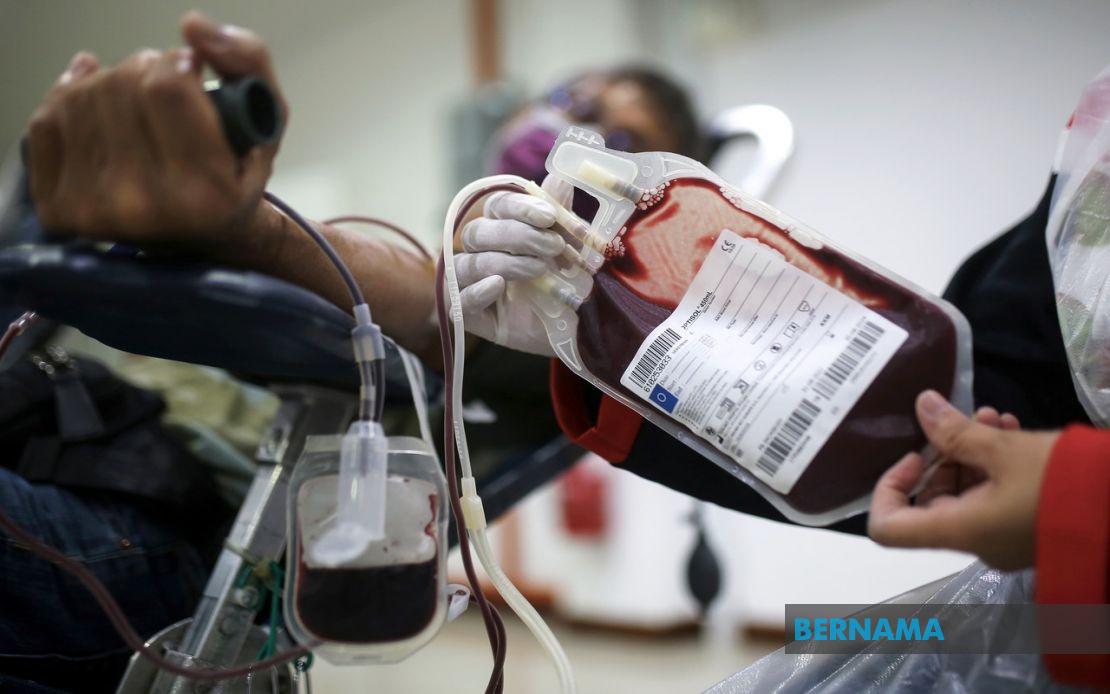
The blood supply crisis at Hospital Sultanah Aminah in Johor Bahru has prompted the institution's Transfusion Medicine Department to make a public plea for immediate donor support, particularly for blood types O and AB. The hospital's announcement underscores the persistent challenge facing Malaysia's healthcare system in maintaining adequate blood stock levels to meet patient needs across the state's largest medical facility.
Blood type O is the universal donor category that can be transfused to patients of any blood group, making it the most sought-after type in any transfusion service. Type AB, conversely, is the rarest blood type in Malaysia's population, accounting for less than 5 percent of the donor base. The simultaneous shortage of both categories represents a particularly acute logistical problem for hospitals attempting to maintain emergency reserves and support routine surgical procedures.
Hospital Sultanah Aminah's call for donors reflects broader challenges within Malaysia's voluntary blood donation system. Unlike countries with well-established paid donation programs, Malaysia relies substantially on altruistic donor contributions, creating periodic supply fluctuations. During monsoon seasons and festive periods when potential donors are less available, hospitals frequently experience inventory pressures that can affect scheduling of elective surgeries and trauma care capacity.
The hospital has coordinated multiple donation drives across Johor Bahru to maximize accessibility for potential contributors. The Johor Blood Donation Centre at Mid Valley Southkey will operate from 10 am to 6:30 pm through the weekend, while AEON Mall Bukit Indah hosts simultaneous sessions from 10 am to 3 pm across Saturday and Sunday. The Hospital Sultanah Aminah Blood Donation Centre itself maintains extended hours on both days from 8 am to 4:30 pm, enabling donors to contribute at their convenience.
For Johor Bahru residents seeking to participate, the Transfusion Medicine Department has advised checking the official Johor Bahru Blood Donation Campaign Schedule page for additional donation venue information and timing details. This multi-location approach aims to remove geographical barriers that might prevent otherwise willing donors from contributing during the critical shortage period.
The timing of this appeal carries significance for Johor's healthcare infrastructure. As Malaysia's second-largest state by population, Johor serves not only its 4.2 million residents but also receives cross-border patients from Singapore and attracts medical tourists. Hospital Sultanah Aminah, as the state's flagship government teaching hospital affiliated with Universiti Teknologi Malaysia's medical program, shoulders disproportionate responsibility for complex surgical cases and emergency trauma management across the entire southern region.
Blood transfusions remain essential for numerous clinical scenarios that cannot be postponed or deferred indefinitely. Surgical procedures involving significant tissue removal or vascular repair require pre-arranged blood availability, while trauma cases, obstetric emergencies involving postpartum hemorrhage, and cancer treatment complications demand immediate transfusion access. When institutional stocks fall below minimum safety thresholds, hospitals must make difficult prioritization decisions that inevitably impact service delivery.
The appeal also highlights the recurring gap between blood supply and demand that Malaysian health authorities have struggled to address systematically. Unlike organ transplantation, which garners significant public attention and government resources, blood donation recruitment receives minimal mainstream marketing investment. Many Malaysians remain unaware of blood type compatibility principles or harbor misconceptions about donation safety and health impacts, creating untapped potential within the donor population.
For Malaysian employers and community organizations, institutional blood shortage announcements represent opportunities for organized donation initiatives. Corporate blood drives offer employees convenient contribution pathways while building organizational social responsibility profiles. Religious organizations, sports clubs, and professional associations have historically demonstrated capacity to mobilize substantial donor numbers when coordinated campaigns receive institutional support.
The frequency of blood supply appeals across Malaysia's major hospitals suggests systemic issues requiring policy-level intervention beyond individual institutional efforts. Some Southeast Asian countries have implemented mandatory blood donation quotas for renewal of professional licenses or vehicle registrations, though such approaches remain politically sensitive in the Malaysian context. Others have invested in directed donation programs where patients schedule blood contributions from family members and friends weeks before anticipated procedures.
Johor Bahru residents with type O or AB blood are particularly positioned to address this immediate crisis. First-time donors require approximately 10-15 minutes for screening and medical history review, with actual donation consuming roughly 8-10 minutes. Donor centers maintain strict infection control protocols and utilize single-use needle systems, eliminating disease transmission risks that historically discouraged participation.
The hospital's appeal reflects not merely an administrative inventory problem but a genuine clinical constraint affecting patient care quality and safety margins within Johor's healthcare system. Each donation of 450 milliliters—the standard collection volume—potentially enables life-saving interventions across multiple recipients when properly allocated by transfusion specialists. Community response to Hospital Sultanah Aminah's current appeal will substantively influence the institution's capacity to maintain surgical schedules and emergency preparedness throughout the coming weeks.

