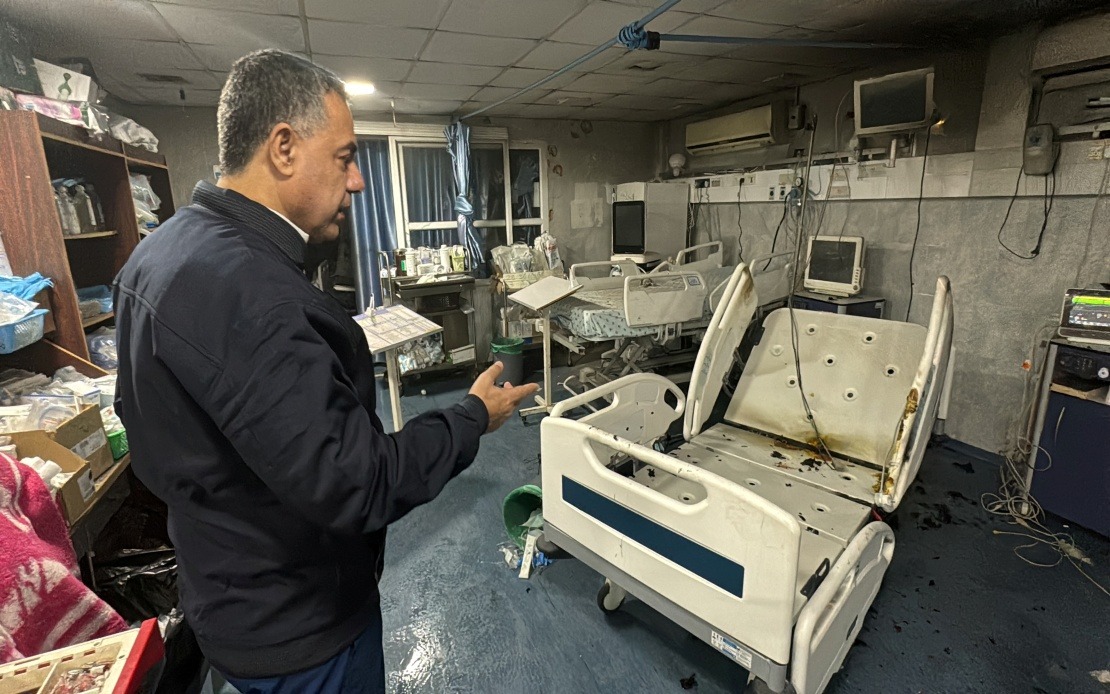
An international human rights organisation has sounded an urgent alert regarding the physical condition of Dr Hussam Abu Safiya, the director of Kamal Adwan Hospital in northern Gaza, following his transfer to an Israeli detention facility. According to Physicians for Human Rights, the medical professional's health has deteriorated markedly since his move to Nitzan Prison, with documented evidence of serious injuries and concerning symptoms that have prompted calls for his immediate release.
The organisation's legal representative, Nasser Odeh, visited Dr Abu Safiya on July 2 and recorded alarming findings during the encounter. His account describes visible evidence of physical trauma across multiple parts of the body, including the head, facial area around the eyes, ears, and neck regions. The injuries were substantial enough to significantly alter his appearance, rendering him difficult to identify. Beyond the visible wounds, Odeh documented breathing complications and repeated instances where Dr Abu Safiya lost consciousness, painting a picture of acute medical distress.
Circumstances surrounding the meeting itself underscored the severity of the situation. Dr Abu Safiya was brought to the legal consultation while shackled at both the hands and feet, a condition maintained throughout the visit. Prison personnel, their faces obscured by masks, remained present during the entire interaction, further emphasising the restrictive nature of his detention. The combination of physical restraint and security presence created an environment that precluded any private or unmonitored communication.
The documented findings have prompted Physicians for Human Rights Israel to escalate its advocacy efforts. The organisation has renewed its formal demand for Dr Abu Safiya's release, alongside calls for the liberation of other medical professionals it claims are being held without formal charges or access to trial proceedings. This pattern of detention without judicial process raises fundamental questions about legal protections and due process rights within the current conflict context.
Naji Abbas, who directs the Prisoners and Detainees Department at the human rights organisation, characterised the lawyer's detailed testimony as deeply troubling. He stated that the account represents among the most disturbing cases documented since the conflict commenced, underscoring the exceptional nature of these allegations. Abbas further noted that Dr Abu Safiya himself expressed grave concerns about his personal safety, explicitly voicing fears that he might be killed while remaining in custody—a statement that itself raises critical safeguarding questions.
The timing of the alleged deterioration adds another layer of concern to the situation. Abbas indicated that Dr Abu Safiya's condition worsened specifically following his attempt to challenge the legality of his continued detention through formal court proceedings. This sequence raises implications about potential retaliation or punitive treatment in response to legal action, a development that would constitute a serious breach of fundamental protections typically afforded to detainees exercising their right to challenge custody.
The human rights organisation has called for an immediate and independent investigation into the circumstances of Dr Abu Safiya's detention and the injuries he sustained. The emphasis on independence reflects widespread concerns about accountability within current detention systems and the perceived necessity for external oversight to ensure credible fact-finding. Such an investigation, the organisation argues, is essential both to establish what occurred and to prevent further harm.
From a legal and institutional perspective, Abbas stressed that Israeli authorities bear unambiguous responsibility for the health, safety, and survival of all individuals held in their custody. This assertion anchors the debate in established international humanitarian law and the universal duty of care that detention authorities must observe. The invocation of this principle serves to shift focus from individual incidents toward systemic accountability and institutional obligations.
For Malaysian readers and regional observers, this case illustrates the broader humanitarian concerns emerging from the Gaza conflict and its impact on medical professionals and civilian populations. The detention and alleged mistreatment of hospital administrators raises questions about the protection of medical personnel under international law—a principle that transcends specific conflicts and holds implications for how medical professionals are treated during any armed conflict. The case also demonstrates the critical role that international human rights organisations play in documenting alleged abuses and advocating for detained individuals who might otherwise lack external visibility or protective oversight.
The allegations carry particular significance given Dr Abu Safiya's status as a healthcare administrator responsible for patient care during an ongoing humanitarian crisis. The removal of experienced medical leadership from hospital operations can have cascading consequences for civilian access to healthcare, potentially affecting thousands of patients dependent on essential medical services. This dynamic adds complexity to questions about detention policy and its humanitarian consequences.
The organisation's formal demand for urgent intervention reflects assessment that the situation constitutes an emergency requiring immediate action rather than standard investigative procedures. This framing emphasises the time-sensitive nature of detainee welfare and the potential irreversibility of harm if intervention is delayed. The convergence of documented physical injuries, respiratory distress, loss of consciousness, and the detainee's own expressions of fear about his survival collectively paint a picture of acute risk that demands priority attention from relevant authorities and international bodies.
Moving forward, the case will likely draw attention from international legal bodies, medical associations, and human rights mechanisms concerned with the protection of healthcare workers during armed conflict. The response to these allegations—whether through investigation, policy adjustment, or other measures—will communicate important signals about accountability and the enforcement of protections for medical personnel. For regional medical professionals and human rights advocates, the outcome holds significance beyond the immediate case, potentially influencing standards and practices affecting healthcare during conflicts throughout the Middle East and beyond.

