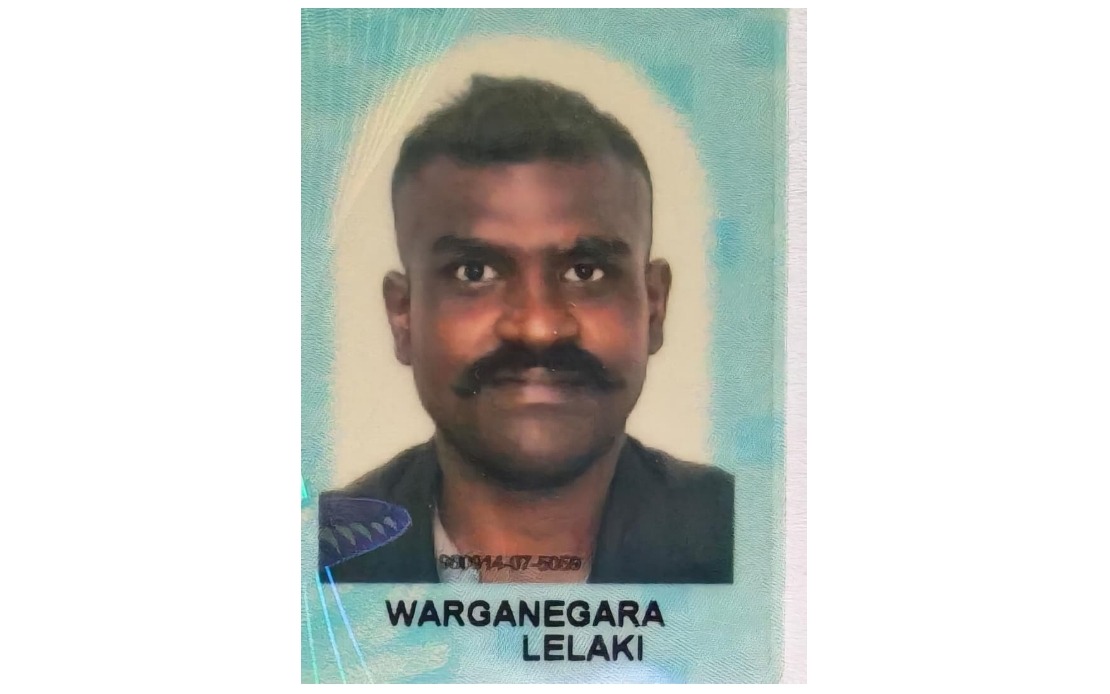
Sungai Bakap Hospital in Nibong Tebal has turned to the public in an effort to locate family members of a 29-year-old man who passed away in its care, highlighting a poignant case of a patient with no identified next of kin or support network. M. Balakrishnan died on August 10 at 6.53 pm in Ward 3 following a medical crisis involving severe sepsis compounded by multiple organ failure, conditions that developed during his extended treatment at the facility.
The circumstances surrounding Balakrishnan's hospitalisation underscore the challenges faced by Malaysia's healthcare and social welfare systems in managing vulnerable populations. Transferred to Sungai Bakap Hospital on May 27 from Bukit Mertajam Hospital, he had been admitted initially as a homeless individual awaiting placement in a care facility operated by the Social Welfare Department. His three-month stay at the hospital represented an extended period during which medical staff worked to stabilise his condition, though ultimately the combination of severe infection and cascading organ dysfunction proved insurmountable.
What distinguishes this case is the complete absence of any familial or social contact during his hospitalisation. Throughout his time as a patient, no relatives, identified next of kin, or acquaintances visited him or provided information about his background or family circumstances. This isolation reflects a broader reality affecting homeless and marginalised populations in Malaysia, where individuals often exist at the periphery of social structures with minimal safety nets or connection points to formal support systems.
In attempting to reunite Balakrishnan's remains with his family, the hospital coordinated with the National Registration Department to pursue investigative leads. Records indicated a last known address at No. 19, Jalan Sungai Buloh, Taman Segar, Kampung Baru Subang in Selangor. However, when police visited the premises as part of the search effort, they discovered the location was occupied by a Malay family with no knowledge of Balakrishnan or his relatives, suggesting the address was either outdated or had never been a genuine residential connection for the deceased.
The hospital's appeal reflects the practical and ethical obligations facing Malaysian medical institutions when patients pass away without identifiable family representation. With Balakrishnan's body now held at the hospital's Forensic Medicine Unit, proper disposition of his remains remains uncertain pending identification of legitimate next of kin. This situation raises questions about documentation, record-keeping, and the intersection between healthcare provision and social welfare services in Malaysia.
For readers in Malaysia and the region, this case illuminates the hidden vulnerabilities affecting homeless populations across Southeast Asia. Homelessness in Malaysia, though less visible than in some neighbouring countries, represents a persistent social challenge affecting individuals who often lack access to basic healthcare, secure identification, and family connections. When such individuals require medical intervention, hospitals must navigate complex protocols regarding informed consent, treatment decisions, and ultimately, dignified handling of remains.
The involvement of multiple government agencies—the hospital itself, the Social Welfare Department, the National Registration Department, and the police—demonstrates the fragmented approach often required to address such situations. Better coordination and integration of services targeting homeless populations could potentially prevent similar scenarios where individuals die without any family awareness or involvement. Information-sharing systems between welfare agencies and healthcare providers might enable faster identification of next of kin.
The hospital's current appeal to the public represents a final effort to restore agency and dignity to Balakrishnan by ensuring his remains are handled according to familial wishes rather than through default institutional procedures. For those with information about Balakrishnan or his family background, the hospital welcomes contact regarding any details that might facilitate proper resolution of his case. The response to such appeals often depends on whether news coverage reaches communities where the deceased may have had connections, making public awareness crucial to finding resolution.
This situation also underscores the importance of robust social safety nets and preventive measures addressing homelessness in Malaysia. Early intervention programmes, better access to healthcare for vulnerable populations, and stronger linkages between welfare and medical systems could potentially alter trajectories for individuals like Balakrishnan. While it cannot change this particular outcome, systemic improvements offer pathways toward preventing similar cases of isolation and loss.
For Malaysian healthcare administrators and policymakers, this case serves as a reminder of the human dimension of clinical practice—the reality that patients are embedded in social contexts that extend beyond hospital walls. Building institutional capacity to identify, engage, and communicate with families of vulnerable patients requires investment in social work services, culturally informed outreach, and partnerships with community organisations. The hospital's appeal is both a practical call for assistance and an implicit acknowledgment of the limitations institutions face when confronted with profound social fragmentation.

