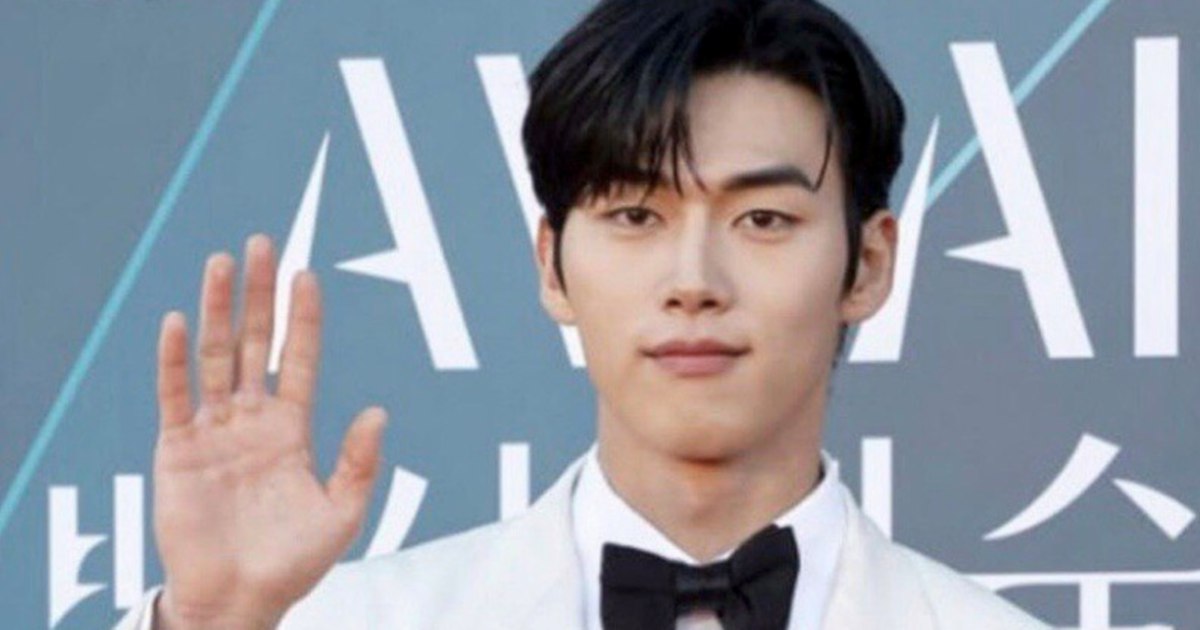
South Korean entertainer Hong Min-gi faces a new crisis as allegations of abuse have surfaced, with his management moving swiftly to deny the claims and signal an aggressive legal posture. The unnamed influencer, identified only as A, has accused the actor of subjecting her to both verbal and physical mistreatment during their relationship, sparking fresh debate about accountability in South Korea's entertainment sector at a time when the industry remains under heightened scrutiny regarding conduct towards partners and colleagues.
The actor's agency released a forceful statement refuting the allegations in their entirety, characterising the claims as baseless and unfounded. This denial marks the first official response from his representatives since the accusations emerged publicly, establishing a clear line of defence for the embattled performer. The agency's approach—combining categorical denial with threats of legal proceedings—reflects a common defensive strategy adopted by entertainment companies facing personal misconduct allegations in South Korea, where reputation management and court action often proceed in parallel.
The emergence of these allegations arrives during a particularly sensitive period for South Korea's entertainment ecosystem. The industry has experienced multiple high-profile cases involving allegations of abuse and misconduct over recent years, each contributing to growing public awareness around power imbalances and accountability. For Malaysian audiences following Korean entertainment, these recurring scandals underscore the complexity of celebrity culture across the region and the evolving expectations placed upon public figures regarding their personal conduct.
When entertainment agencies announce intentions to pursue legal remedies, the implications extend beyond the immediate dispute between the parties involved. South Korean defamation law provides relatively robust protections for individuals facing public accusations, and entertainment companies frequently leverage these statutes to defend their clients' reputations. However, such aggressive legal responses can simultaneously amplify public interest in the underlying allegations, creating a paradox where denial and litigation draw additional attention to the very claims being disputed.
The influencer who has made these accusations represents an increasingly prominent demographic within entertainment circles across Asia. Content creators and social media personalities now occupy significant cultural spaces, often commanding substantial followings and the ability to shape public narratives. When such figures level allegations against established entertainers, the dynamics differ from traditional journalism investigations, as information spreads rapidly across digital platforms and reaches audiences before institutional gatekeepers can mediate the narrative.
For Hong Min-gi, the allegations present a significant challenge to his professional trajectory and public standing. South Korean actors depend heavily on their marketability and the trust audiences place in them, with scandals frequently affecting casting opportunities and commercial partnerships. The entertainment industry across East Asia remains particularly sensitive to personal conduct revelations, with companies often moving to distance themselves from performers facing credibility questions, whether the allegations ultimately prove substantiated or not.
The agency's commitment to legal action suggests they intend to establish a clear record of their position in formal proceedings, potentially aiming to counter the allegations through evidence presentation and cross-examination rather than through public statement alone. This strategy can be effective when pursued rigorously, but it also exposes the agency and actor to the discovery process and the unpredictable outcomes inherent in litigation. South Korean courts have occasionally found against defendants in high-profile cases, creating precedents that shape subsequent allegations and industry responses.
The broader context of these allegations reflects shifting attitudes toward accountability in South Korean entertainment. Organisations including the Korean Actors Association and various industry bodies have implemented guidelines and reporting mechanisms designed to address misconduct claims more systematically than in previous decades. These institutional developments create an environment where allegations face greater scrutiny and investigation than historically would have occurred, fundamentally altering the landscape in which figures like Hong Min-gi must respond and defend themselves.
The case also illustrates the challenges facing accusers who pursue allegations through public disclosure rather than through formal complaints to authorities or entertainment bodies. While public disclosure can generate awareness and social pressure, it also exposes individuals making allegations to countersuits and legal consequences under South Korean defamation statutes. This legal framework creates a high barrier for individuals considering whether to speak publicly about their experiences, potentially affecting the reliability of information reaching the public sphere.
As this situation unfolds, observers across Southeast Asia—where South Korean entertainment maintains substantial cultural influence—will monitor both the legal proceedings and any institutional responses from entertainment companies. These cases frequently establish patterns that ripple through regional entertainment sectors, influencing how agencies, production companies, and broadcasters address similar allegations involving their respective talent rosters. The outcome of Hong Min-gi's case may consequently have implications extending well beyond his individual circumstances, shaping industry protocols and public expectations across the broader Korean Wave ecosystem.

