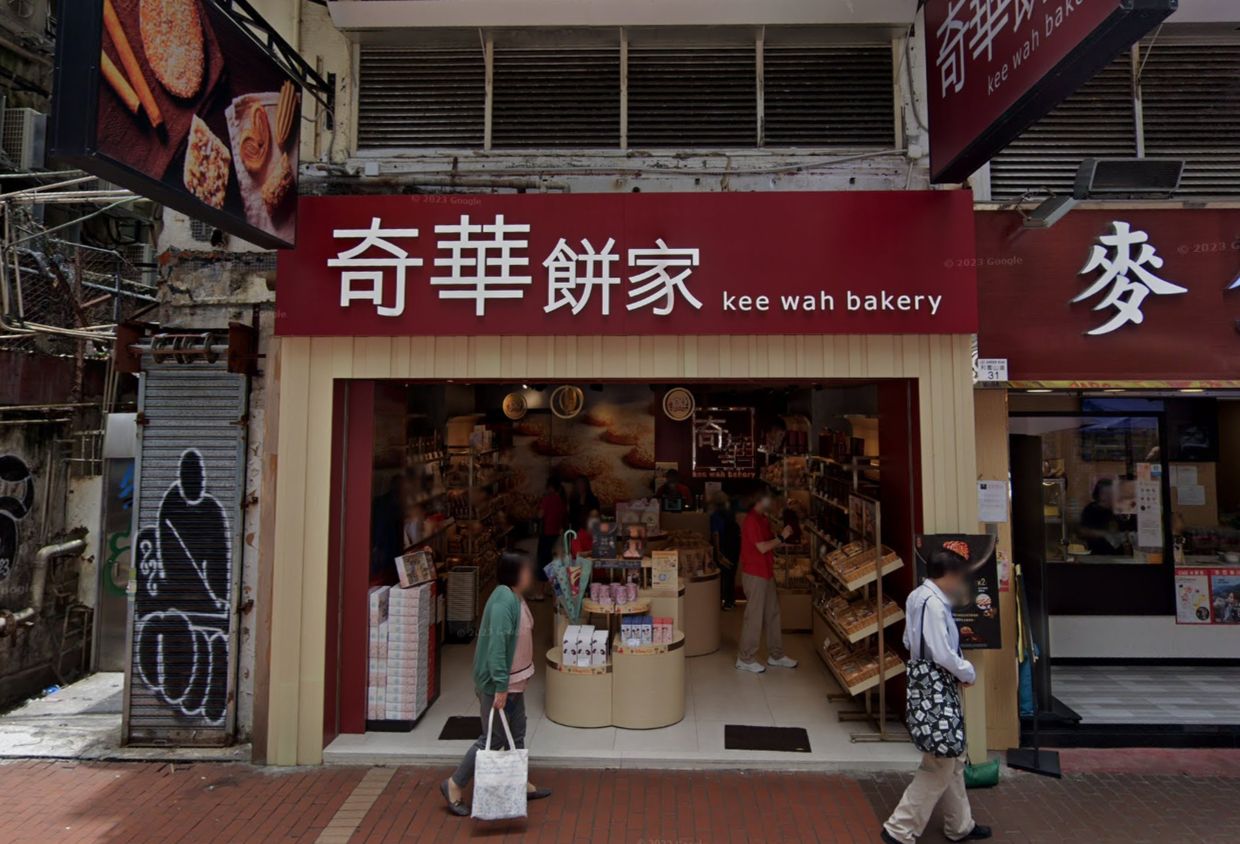
Kee Wah Bakery, the Hong Kong-based pastry chain celebrated for its traditional local and Chinese confectioneries, has become the latest major brand to fall victim to a ransomware attack, sparking fresh concerns about corporate cybersecurity vulnerabilities in the region. The company disclosed the breach after discovering system malfunctions affecting its internal network infrastructure on Friday, with the threat revealed publicly on Tuesday following a preliminary investigation that confirmed attackers had deployed ransomware to compromise the network.
The bakery's internal systems contained a broad spectrum of sensitive information spanning multiple stakeholder categories. Employee personal data, business partner details, records of online store customers and membership information from its mobile application all resided on the compromised infrastructure. This multi-layered data exposure presents a complex challenge for both the company and Hong Kong's regulatory authorities seeking to determine the full scope of potential compromise.
Despite conducting initial forensic analysis, Kee Wah Bakery has been unable to definitively establish whether attackers successfully extracted data during their intrusion. This uncertainty typifies many ransomware incidents, where perpetrators deploy encryption tools to lock companies out of their systems while leaving companies unable to immediately confirm the extent of information theft. The bakery's inability to confirm data exfiltration adds layers of complexity to the incident response, as authorities and affected parties cannot yet assess their individual risk levels with precision.
The company has taken immediate steps to mobilise its technical response, engaging external cybersecurity specialists to investigate the attack's origins, prevent further unauthorised access and restore system integrity. These consultants are working to secure the network perimeter, analyse forensic evidence and provide remediation recommendations. The bakery's commitment to external expertise reflects growing industry recognition that internal teams often lack the specialised capabilities required to investigate sophisticated attacks and prevent recurrence.
In a notable clarification, Kee Wah Bakery confirmed that its payment processing systems and customer credit card information were isolated from the affected infrastructure. This separation of payment data suggests the company had implemented network segmentation practices, a security best practice that limits attacker lateral movement within systems. However, the breach of other customer and employee data remains concerning from privacy perspectives.
Hong Kong's Office of the Privacy Commissioner for Personal Data has moved quickly to oversee the investigation, issuing formal requests for detailed breach parameters. The watchdog is seeking comprehensive information about the number of affected individuals, categories of compromised personal data, and timelines for the incident discovery and reporting. This regulatory engagement reflects Hong Kong's privacy framework's evolving expectations for corporate transparency and accountability following data breaches.
The company reported the incident to both the privacy commissioner and police authorities on Sunday, three days after discovering the network malfunction. This reporting delay, though still relatively swift, underscores the challenge companies face in rapidly confirming the nature and scope of attacks before making official disclosures. During this verification window, companies must balance transparency obligations against the risk of issuing inaccurate statements based on incomplete forensic evidence.
As a precautionary response, Kee Wah Bakery has commenced outreach to affected employee, customer and supplier populations to inform them of the incident and recommend protective actions. The company advised vigilance against social engineering attempts, suspicious communications and fraudulent schemes that frequently follow data breaches. Recommendations also included password changes for important online accounts, a fundamental but often overlooked security hygiene practice.
Founded in 1938, Kee Wah Bakery operates production facilities at its main manufacturing site in Tai Po, serving both local Hong Kong customers and the broader Chinese market. The company operates through multiple distribution channels including physical retail locations and digital platforms, making the scope of affected customer bases potentially significant. For Malaysian readers, the incident serves as a reminder that heritage brands with decades of market presence are not immune to modern cybersecurity threats, regardless of their long-standing reputation.
The bakery publicly acknowledged that safeguarding personal data ranks among its core corporate priorities and committed to conducting a comprehensive review of its entire cybersecurity framework. Management pledged to implement any enhancements recommended by its cybersecurity advisors, signalling a potential shift in investment toward security infrastructure hardening. This commitment-making phase, common after major breaches, represents a critical juncture where companies either meaningfully elevate defences or offer hollow assurances.
The incident highlights persistent vulnerabilities within retail and hospitality sector operations, where customer-facing businesses maintain extensive databases of personal information spanning multiple platforms. Regional companies across Southeast Asia should treat this breach as a cautionary case study, examining their own network segmentation, backup redundancy, access controls and incident response capabilities. The combination of employee data, customer information and supplier records represents the type of interconnected information ecosystem that ransomware operators specifically target for maximum leverage.