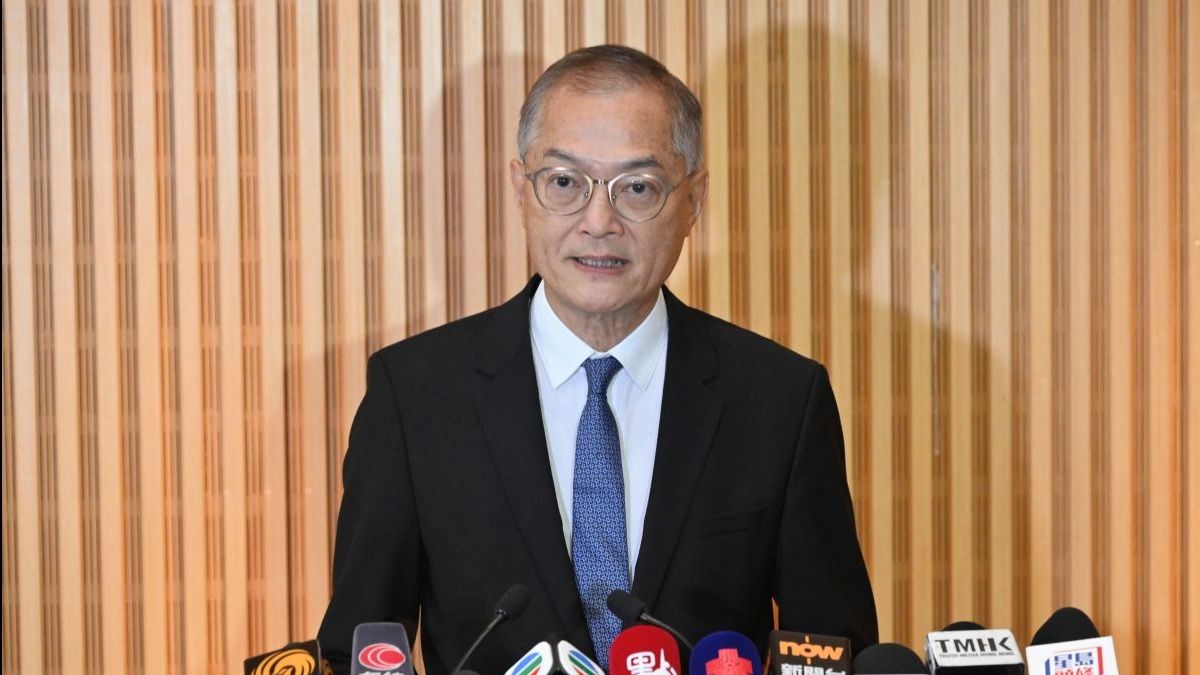
Hong Kong's Health Secretary Lo Chung-mau has announced a comprehensive review of medical reporting procedures for reproductive technology incidents, responding to a significant breach of disclosure protocols by a local fertility clinic that has exposed gaps in the territory's regulatory oversight of in vitro fertilisation operations.
The controversy centres on HEAL Fertility, which failed to promptly notify authorities when laboratory testing revealed serious mishandling of embryo biopsy specimens belonging to two patients. The Chinese University of Hong Kong's laboratory at Prince of Wales Hospital in Sha Tin discovered during routine verification that genetic profiles of submitted embryo samples did not match either intended parent—in one case, six of seven samples proved unrelated to their supposed parents, while the second patient's two samples were similarly unconnected to her genetic makeup.
The timeline of the incident underscores the regulatory vacuum that Lo acknowledged requires immediate attention. Although HEAL Fertility identified both problems on May 26 and June 4 respectively, the clinic withheld this information from the Department of Health entirely. Only when the Council on Human Reproductive Technology, which oversees fertility treatments in Hong Kong, initiated inquiries did the clinic report the matter on June 17—a delay stretching from three to more than two weeks depending on which incident is considered. Lo characterised this notification lag as "not very ideal," a measured description of what authorities regard as a serious procedural failure.
Under existing regulations administered by the Department of Health's Office for Regulation of Private Healthcare Facilities, incidents involving erroneous patient sample identification qualify as "serious untoward events" requiring notification within 24 hours under the Code of Practice for Day Medical Centres. HEAL Fertility's protracted silence represents a flagrant breach of this requirement, and the office has already issued a formal regulatory notice demanding a comprehensive investigation report within four weeks explaining the root causes and remedial measures.
The regulatory response has escalated beyond administrative channels. The Department of Health referred the case to Hong Kong police on Monday, though authorities have made no arrests to date. This criminal involvement reflects the seriousness with which officials regard the incident, particularly given the profound implications for patient safety and trust in assisted reproduction services. For prospective parents relying on fertility treatments—a population that has grown substantially across Asia as demographic pressures mount—such breaches strike at the heart of the informed consent and procedural reliability upon which the entire sector depends.
Lo has adopted a cautious stance regarding procedural reforms, indicating that the government will await reports from three separate investigations before implementing changes: one from the police inquiry, another from the Council on Human Reproductive Technology's ongoing investigation, and a third from the clinic itself. This multi-layered approach, while thorough, may frustrate those demanding immediate strengthening of reporting timelines and disclosure obligations. The health secretary's commitment to review "whether there's scope to strengthen the reporting mechanism" suggests openness to reform, though the language stops short of guaranteeing concrete improvements.
Meanwhile, HEAL Fertility has initiated damage control measures, issuing an apology to affected clients and establishing an internal taskforce to review operational procedures. The clinic has also offered genetic testing to concerned patients seeking to verify specimen identity—a measure that, while providing some reassurance, cannot remedy the fundamental breach of trust. Significantly, regulatory authorities have suspended fourteen of the clinic's seventeen services, permitting only storage-related operations to continue. This punitive suspension represents one of the most severe enforcement actions taken against a fertility provider in Hong Kong and signals official determination to protect public welfare despite the clinic's cooperative stance in subsequent investigations.
The incident carries implications extending beyond Hong Kong's borders. Southeast Asian nations including Malaysia have similarly evolving fertility treatment sectors with varying degrees of regulatory sophistication. The Council on Human Reproductive Technology's detection mechanisms and the subsequent regulatory response provide a cautionary template for regional policymakers considering how best to oversee reproductive technology providers. Malaysia's Department of Health and private healthcare regulators may well scrutinise Hong Kong's approach as they refine their own frameworks for monitoring assisted reproduction clinics.
The broader context involves rising demand for in vitro fertilisation across the Asia-Pacific region as fertility rates decline and delayed childbearing becomes commonplace. As the sector expands and more private providers enter the market, the risk of regulatory gaps and procedural failures multiplies. Hong Kong's experience demonstrates that even relatively developed regulatory systems require constant refinement and oversight enhancement. The notification delay in this case—weeks rather than hours—represents precisely the sort of systemic vulnerability that can undermine public confidence in an entire industry.
For Malaysian observers, the Hong Kong case underscores the importance of establishing clear, enforceable timelines for incident reporting and maintaining robust verification procedures. Many Malaysian fertility clinics already implement high standards, yet the experience of HEAL Fertility reveals how commercial pressures and organisational inertia can compromise patient safety even when regulatory frameworks exist. The question for policymakers across Southeast Asia is whether current mechanisms adequately deter such breaches or whether stronger penalties, more frequent inspections, and accelerated reporting requirements should become standard.
Lo's measured commitment to reviewing Hong Kong's reporting mechanisms reflects a broader recognition that fertility medicine requires specialised oversight distinct from general healthcare regulation. The Council on Human Reproductive Technology, despite failing to detect the HEAL Fertility breaches before the laboratory verification process, demonstrated its capacity to investigate thoroughly once informed. The challenge moving forward involves tightening the initial notification process to ensure such serious incidents cannot remain concealed for weeks, safeguarding both individual patients and the credibility of the fertility treatment sector across the region.

