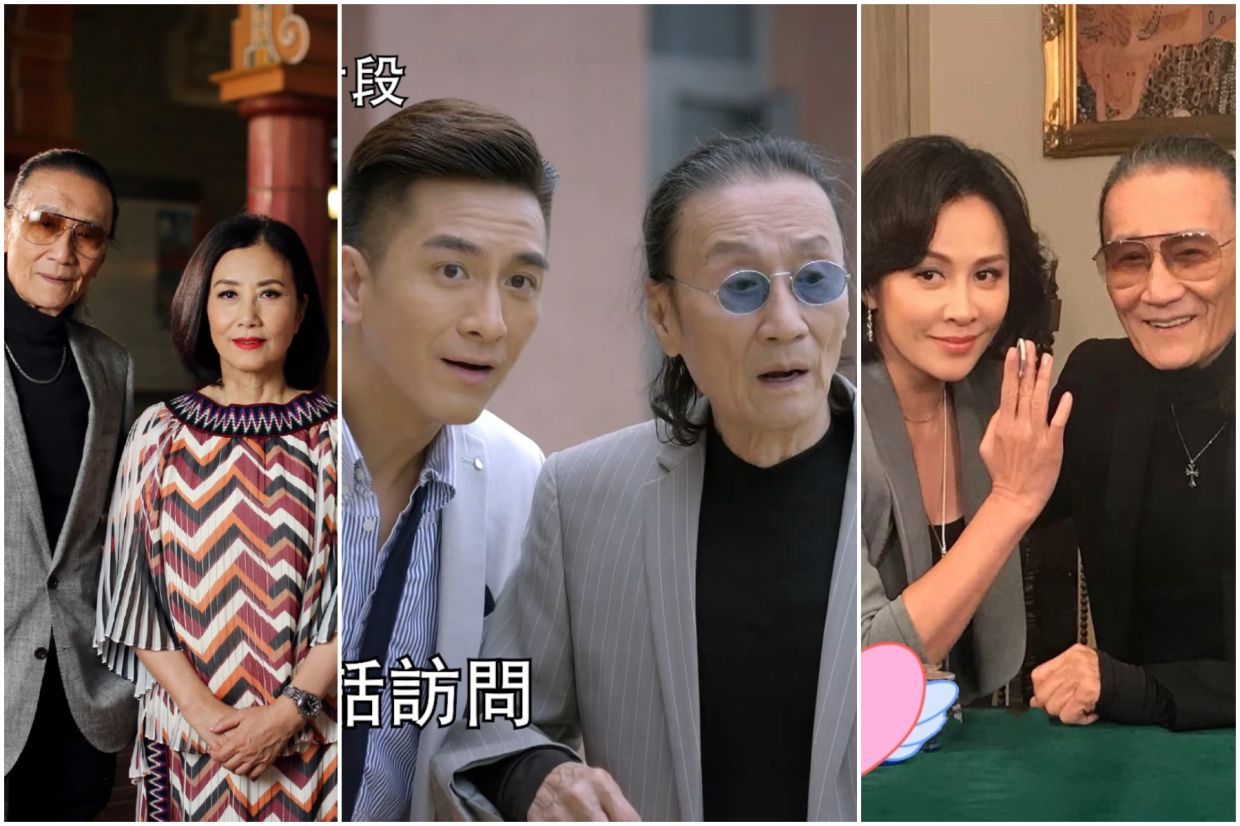
Hong Kong's entertainment industry continues to pay reverence to Patrick Tse, the iconic actor affectionately nicknamed Sei Gor, or Fourth Brother, who passed away on July 16 from pneumonia at the age of 89. Word of his death reached the public four days later when his family issued an announcement, prompting an outpouring of reflections from colleagues spanning decades of Hong Kong's golden age of cinema and television.
Carina Lau was among the first to publicly commemorate Tse, using Instagram to share personal photographs alongside heartfelt words about his profound impact. In her tribute, she emphasised not just his screen presence but the elegance and composure that defined his public life. She credited him with establishing a remarkable artistic legacy that extended beyond his individual performances to influence an entire generation of Hong Kong entertainers and shape the industry's cultural standards. Her message underscored how Tse's influence transcended professional boundaries, creating lasting impressions on those who shared both screen and personal time with him.
Veteran actress Liza Wang, who frequently collaborated with Tse in TVB dramas throughout their careers, disclosed a deeper personal connection to the late star. Beyond their professional partnership, Wang served as godmother to Tse's daughter, Jennifer Tse, a relationship that reflected the trust and affection he extended to those within his circle. Wang's recollections painted a portrait of a generous mentor who actively invested in the development of his peers. She described how during their working relationships, Tse consistently demonstrated consideration, offering guidance and wisdom that enriched her understanding of the craft. These interactions created memories Wang described as treasured moments she would preserve indefinitely. Her eulogy emphasised that his characteristic radiance and refined demeanor would endure in the hearts of those who knew him, leaving a void that extended far beyond the professional realm.
Former TVB actress Michelle Ye shared her perspective on Weibo, offering a more intimate perspective on their bond. The pair collaborated on a 2005 television drama, establishing a connection that went beyond scripted scenes. Ye revealed that Tse occupied a uniquely meaningful space in her life, fulfilling a paternal role that addressed a personal absence from her own upbringing. This observation demonstrates how Tse's warmth and approachability allowed him to become more than simply a co-star to younger colleagues, but rather a stabilising presence and source of emotional support during pivotal moments in their careers and personal development.
Actor Kenneth Ma, who worked alongside Tse in Wong Jing's 2017 TVB production, highlighted an aspect of the actor's character that transcended his age and career status. Despite being well into his eighties, Tse refused to delegate his action sequences to stunt performers, insisting on executing his own physically demanding scenes. Ma recognised this commitment as exemplary behaviour worthy of emulation by younger members of the profession. His observation speaks to Tse's unwavering dedication to authenticity and professional integrity, qualities that Ma suggested contemporary actors could aspire toward. Beyond the physical demands, Ma also recalled the atmosphere Tse created on set, characterising their working relationship as genuinely enjoyable and marked by his playful temperament, suggesting that his commitment to excellence never came at the cost of camaraderie.
Director Wong Jing provided perhaps the most historically grounded tribute, offering perspective on Tse's standing within Hong Kong cinema. Wong described Tse as the most dashingly charismatic male performer in the territory's film history, a characterisation grounded in decades of professional observation. Their relationship spanned over four decades, beginning in 1977 when Wong was just twenty-two years old and working as a TVB scriptwriter. During that period, Tse would often invite Wong for coffee drives in his Mercedes-Benz sports car, using these casual moments to discuss cinema and share professional wisdom.
During one such outing, Tse imparted a piece of advice that Wong carried throughout his entire career as filmmaker and producer. The statement, "Once you're a star for a day, you have to be a star for life," encapsulated Tse's philosophy regarding professional responsibility and the obligations that accompany celebrity status. Wong recognised this remark as perfectly crystallising Tse's approach to his craft—a conviction that achieving prominence carried with it an enduring commitment to excellence and integrity. For Wong, this memory represented one of his most treasured moments with Tse, demonstrating how the actor's influence extended to shaping the creative vision of Hong Kong's next generation of filmmakers.
The collective testimony from these prominent figures reveals a consistent theme: Tse possessed an unusual combination of star power, genuine kindness, and unwavering professional dedication that transcended the typical hierarchies of the entertainment industry. His willingness to mentor younger colleagues, invest emotionally in their development, and maintain his own artistic standards regardless of age set him apart as more than merely a successful performer. Rather, he embodied an ideal of what sustained excellence in entertainment could represent—not as ego-driven achievement, but as a responsibility to the craft and to those sharing the journey.
For Malaysian and Southeast Asian audiences familiar with Hong Kong cinema's influence across the region, Tse's passing marks the end of an era. His films and television work formed part of the cultural backdrop that shaped entertainment consumption patterns across Asia during the 1960s through 1990s. The tributes pouring in from his peers underscore how individual performers can accumulate influence that extends far beyond box office numbers or ratings, instead establishing templates for professionalism and grace that persist long after their contributions to screen have concluded. Tse's legacy appears destined to endure not merely through his filmography, but through the values and work ethic he modelled for successive generations of Hong Kong entertainers.

