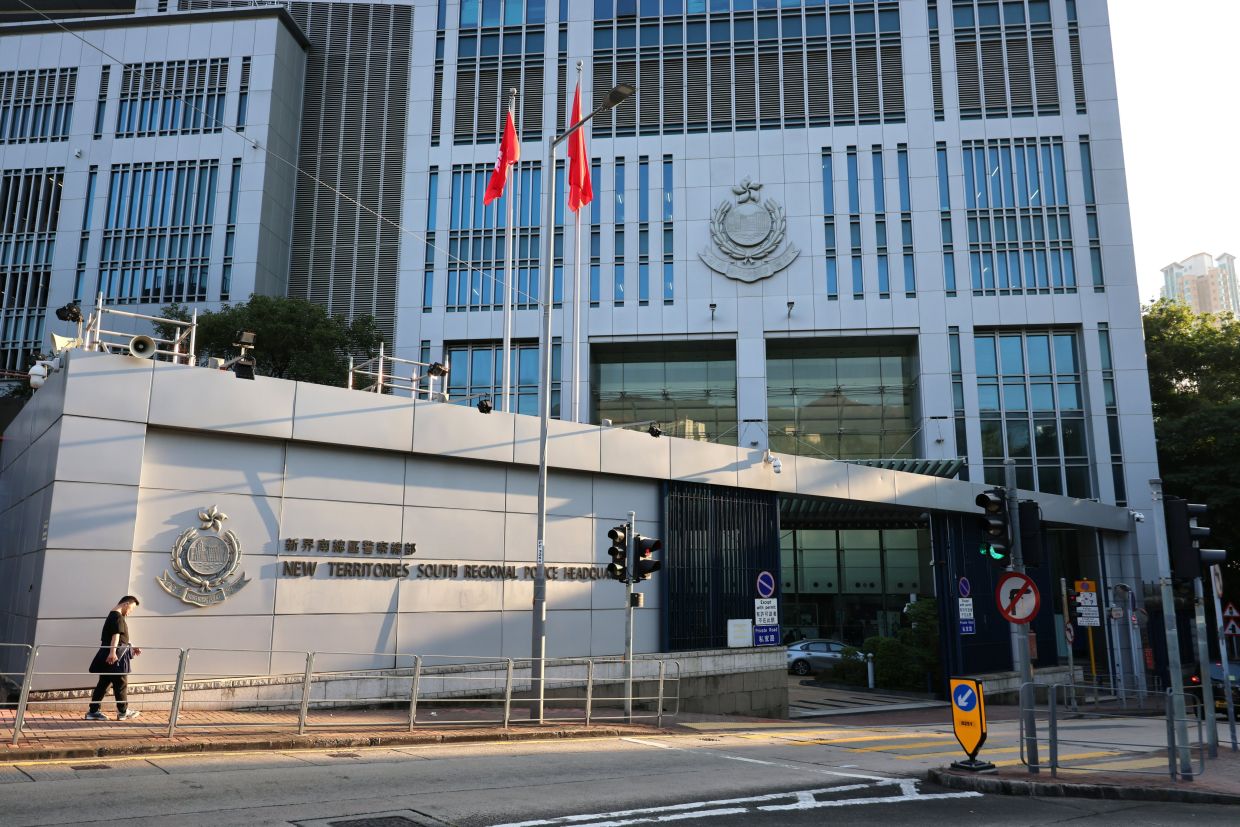
A Hong Kong police officer faces serious misconduct charges following allegations that he exploited his position to contact and harass a civilian during an active criminal inquiry. The 32-year-old member of the Kwai Tsing police district was arrested in Tuen Mun on August 20 by detectives from the New Territories South regional crime unit, according to a police statement released Thursday. The charges represent the latest in a series of internal accountability matters facing the Hong Kong Police Force as it navigates intensifying scrutiny over officer conduct and workplace standards.
The incident emerged from an investigation into a criminal case that was initiated in May of the previous year. During the course of that investigation, the officer allegedly made contact with a woman who was known to one of the suspects under examination. Rather than maintaining professional boundaries appropriate to his investigative role, he subsequently transmitted a series of indecent text messages and explicit images to the woman without authorisation or legitimate policing purpose. The nature and context of these communications represent a troubling breach of the trust placed in law enforcement officials and the authority vested in them through their badges.
The woman targeted by these unwanted advances reported the matter to police later that same month, demonstrating the courage required to come forward against an officer of the law. Her complaint triggered an internal investigation that would ultimately lead to formal charges. The decision to formally charge the officer reflects the police force's acknowledgment of the severity of the allegations and the necessity of holding officers accountable when they abuse their institutional power. Such cases carry particular weight in public discourse because they undermine confidence in police integrity and the impartiality of law enforcement operations.
The specific charge brought against the officer is misconduct in public office, a significant legal designation that acknowledges the breach of duty inherent in his alleged actions. This classification recognises that the officer's conduct violated not merely general standards of decency but specifically the obligations and trust associated with his position as a public servant. The threshold for such charges typically requires evidence that an officer acted dishonestly or knowingly exceeded his powers in a way calculated to cause injury to the public interest. His scheduled appearance at Sha Tin Court on Friday will mark the formal commencement of judicial proceedings.
Pending the outcome of legal proceedings, the officer has been suspended from operational duties, a standard precautionary measure that removes him from positions where he might further compromise investigations or public confidence in the police force. Suspension during investigation protects both the integrity of ongoing legal matters and the department's reputation. The decision demonstrates institutional recognition that allowing the officer to remain in active service could send problematic signals regarding police accountability and the seriousness with which the force treats such allegations.
The Hong Kong Police Force released a formal statement emphasising its commitment to maintaining professional standards and ethical conduct among its ranks. A police spokesman articulated that the force places paramount importance on the behaviour and deportment of its officers, both on and off duty. The statement further declared that the force would not tolerate unlawful or improper behaviour and would prosecute misconduct cases vigorously and transparently. Such public pronouncements serve multiple audiences simultaneously, reassuring the public that oversight mechanisms exist while signalling to officers themselves that transgressions will carry consequences.
This case reflects broader concerns within Asian law enforcement agencies regarding abuse of power and the exploitation of official position for personal advantage. In a region where public trust in institutions remains fragile in many jurisdictions, individual cases of officer misconduct reverberate beyond their specific facts to shape broader public perception of police legitimacy and impartiality. Hong Kong's police force, which operates under significant scrutiny following recent political developments, faces particular pressure to demonstrate that internal discipline mechanisms function effectively and without political interference.
The incident also highlights the vulnerability of civilians who interact with police during investigations. Suspects' friends and associates may feel particularly intimidated or unable to report misconduct by officers precisely because of the officer's power and access to information. The woman's willingness to report the harassment despite the inherent power imbalance between herself and the officer demonstrates the growing expectation that such violations will not remain hidden or normalised. Her action creates accountability and sets precedent for others in similar circumstances.
For Malaysian observers and regional practitioners of criminal justice, this case underscores the importance of robust internal affairs mechanisms and transparent disciplinary procedures within police organisations. The public handling of the matter by Hong Kong authorities, including the clear statement of charges and the suspension of the officer, contrasts with situations in some jurisdictions where such matters remain shrouded in secrecy or subject to minimal public accountability. As regional police forces continue developing professional standards and modern management practices, cases such as this illustrate both the persistent challenges in maintaining officer conduct and the public's growing demand for transparency in how those challenges are addressed.

