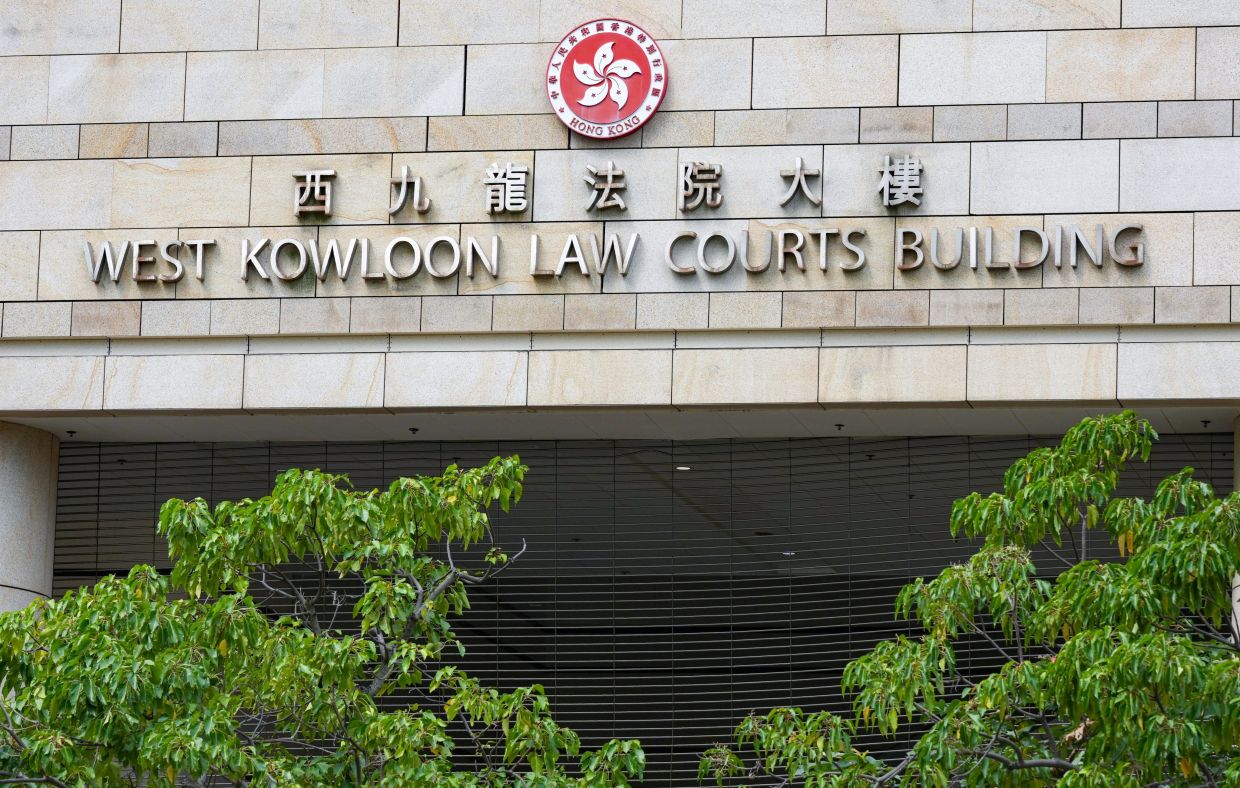
A 65-year-old man with a history of sexual offences has been sentenced to four months in prison by West Kowloon Court for assaulting a teenage schoolgirl aboard a public bus in Hong Kong. William Wu Yiu-shing, a former hardware store worker, pleaded guilty to indecent assault after an encounter on a KMB double-decker bus that was documented by a bystander and shared across social media platforms, drawing public condemnation and raising fresh concerns about passenger safety on public transport.
The incident occurred on June 5 at approximately 12:10 pm when the bus halted at the intersection of Mong Kok Road and Sai Yeung Choi Street South in the bustling Mong Kok district. Wu, seated on the upper deck, reached forward to touch the 17-year-old Form Three student who was sitting directly in front of him. A thirty-seven second video clip captured the assault, showing Wu dressed in a white tank top extending his left arm toward the victim as onlookers on the street verbally attempted to stop him. Despite their warnings, Wu continued the assault as the bus moved away from the intersection.
The victim later recounted to police that she felt her armpit being touched and observed Wu attempting to grab her. Overwhelmed by fear and unable to articulate a response in the moment, she fled home after the bus reached her destination. The psychological impact of such a violation in a public space, surrounded by strangers yet feeling completely vulnerable, underscores the particular trauma these crimes inflict on young victims.
Wu's arrest came swiftly when Hong Kong police apprehended him the same day at the Hong Kong-Zhuhai-Macau Bridge border checkpoint as he returned from Macau. During questioning, he admitted to committing the offence to satisfy his sexual desires. This confession, combined with the video evidence and eyewitness accounts, created an overwhelming case against him, leading to his guilty plea last month.
The repeat nature of Wu's offending intensifies the severity of the case. Court records indicate three prior convictions for indecent assault, demonstrating a persistent pattern of behaviour that rehabilitation efforts have seemingly failed to curtail. His track record raises troubling questions about sentencing adequacy and the effectiveness of existing support systems designed to prevent reoffending among individuals with established sexual aggression histories.
During sentencing, a lawyer representing Wu emphasised that the defendant had acknowledged his wrongdoing unequivocally and demonstrated acceptance of responsibility for his previous crimes. The defence counsel also highlighted Wu's willingness to participate in psychological treatment and rehabilitation programmes, presenting these factors as mitigating circumstances warranting judicial consideration. However, such gestures often ring hollow to victims and their communities when repeated offences demonstrate their limited effectiveness.
Under Hong Kong law, indecent assault carries a maximum penalty of ten years imprisonment, though when cases are handled through the magistrate's court system, the sentence is capped at two years. Wu's four-month term sits comfortably within this framework, prompting inevitable questions about whether the punishment sufficiently reflects both the brazen nature of the public assault and the offender's persistent disregard for legal consequences.
Wu has remained in custody since his prosecution on June 8, and calculations suggest he may become eligible for early release within approximately one month. This relatively brief incarceration period will likely rekindle debate among Hong Kong residents, victim advocates, and legal scholars about whether current sentencing guidelines adequately protect public safety and serve as sufficient deterrent against repeat sexual offences.
The case carries particular resonance for Malaysian readers given the region's ongoing concerns about sexual violence and passenger safety on public transportation. Incidents such as this one reveal how even in developed urban economies with sophisticated policing infrastructure, predatory behaviour persists within crowded public spaces where victims feel isolated despite being surrounded by potential witnesses. The viral video aspect also illustrates how social media has become an informal accountability mechanism when formal justice systems may appear inadequate to public perception.
This incident reflects broader Southeast Asian conversations about victim protection, criminal rehabilitation, and the tension between proportionate sentencing and public safety imperatives. Transportation authorities across the region have increasingly implemented CCTV surveillance and awareness campaigns, yet the persistence of sexual harassment and assault suggests that technological solutions alone prove insufficient without complementary shifts in law enforcement response, community vigilance, and judicial sentencing frameworks.
The case also highlights systemic vulnerabilities affecting young people using public transport, particularly female students commuting to and from educational institutions. Creating genuinely safe public spaces requires not only punishing perpetrators but also establishing reporting mechanisms, trauma-informed victim support, and educational initiatives that empower bystanders to intervene safely.
As Wu begins his imprisonment, advocates will be watching closely to assess what rehabilitation outcomes emerge. His stated willingness to engage with psychological treatment offers a potential opportunity to understand whether therapeutic interventions can fundamentally alter deeply entrenched patterns of behaviour or whether his convictions simply reflect cyclical reoffending despite prior interventions. The outcomes will inform ongoing policy debates throughout Hong Kong and across the region about managing high-risk individuals within the criminal justice system.

