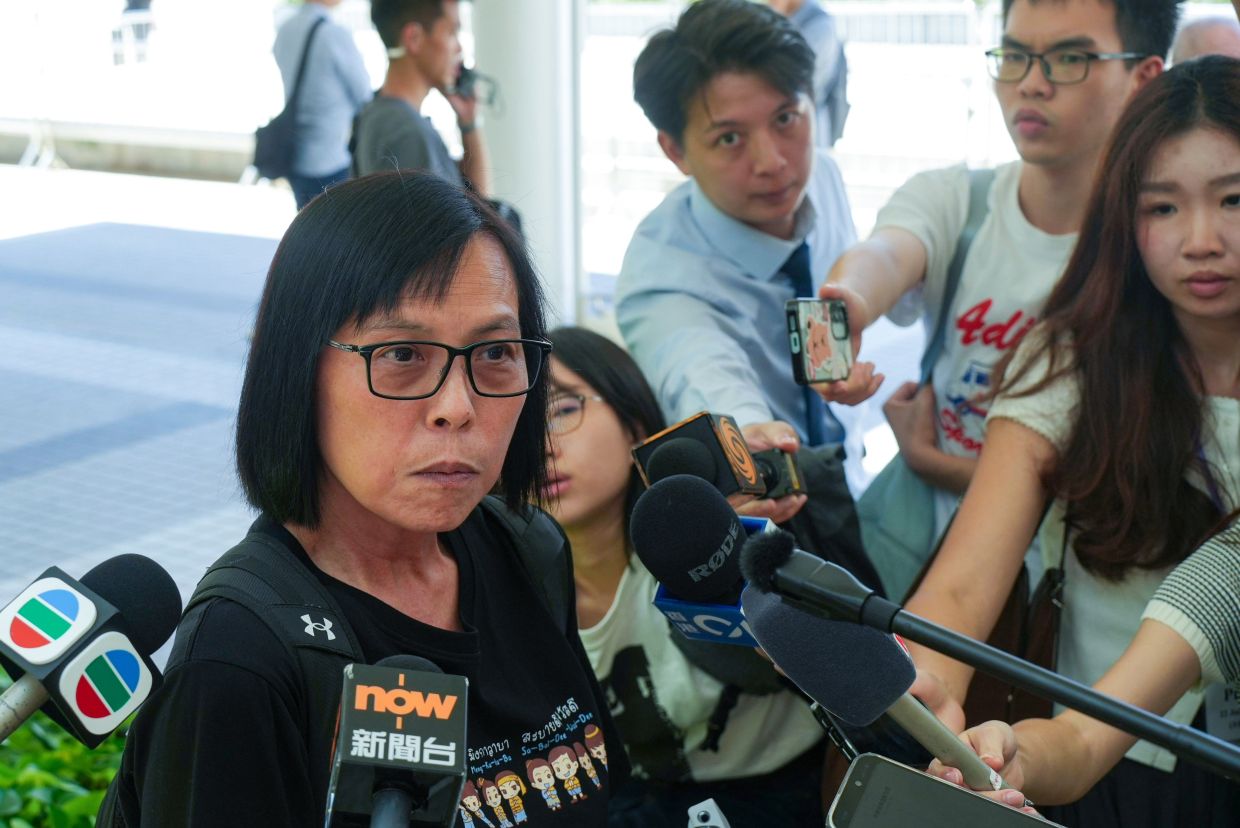
An independent committee probing Hong Kong's deadliest residential fire in decades has opted against requesting statutory commission status, a decision that has triggered fresh concerns among survivors and advocacy groups about the scope and effectiveness of the investigation. Justice David Lok Kai-hong, chairman of the inquiry panel, announced the committee would proceed without seeking conversion into a formal statutory commission of inquiry, despite the ongoing nature of the probe into last year's Wang Fuk Court blaze. The announcement came as hearings resumed Monday following a six-week adjournment, signalling the investigators' preference for maintaining their current non-statutory framework as the inquiry moves forward.
The decision represents a significant methodological choice with substantial implications for how thoroughly the panel can interrogate the circumstances surrounding the fire and assign accountability. Statutory commissions of inquiry in Hong Kong possess expansive powers, including the authority to summon witnesses under compulsion, demand production of documents and records, and compel testimony under oath with penalties for non-cooperation. These enhanced mechanisms are typically reserved for major public incidents requiring comprehensive fact-finding to serve the public interest. By declining such status, the independent committee must rely on voluntary cooperation and goodwill from witnesses and relevant authorities, a substantially weaker position when investigating institutional failures and potential negligence.
The distinction holds particular weight given the nature of the Wang Fuk Court fire and its tragic toll. The incident claimed multiple lives and devastated a working-class residential community in Hong Kong, making it a matter of intense public concern. Survivors and family members of victims have long advocated for the most rigorous possible investigation to establish what went wrong, whether building safety protocols were adequate, and whether regulatory oversight failed at any level. The committee's decision to forgo statutory powers reduces the investigative toolkit available to uncover these answers, particularly when interviewing reluctant witnesses or securing cooperation from institutional defendants.
Justice Lok's rationale for rejecting statutory status remains unclear from available statements, though such decisions typically reflect assessments about investigation scope, timeline, and resource requirements. Some observers suggest that committees may prefer non-statutory status to maintain flexibility and avoid the procedural formalities that accompany statutory inquiries. However, this flexibility comes at the cost of investigative muscle. When government agencies, building owners, safety regulators, or other institutional actors resist providing information voluntarily, non-statutory inquiries lack the legal teeth to compel compliance. This asymmetry of power creates situations where the most troubling institutional questions may remain unanswered.
For Malaysian observers, the Hong Kong scenario offers instructive parallels with our own framework for major public incidents and institutional failures. Malaysia's approach to significant accidents and tragedies often involves various investigative mechanisms—police investigations, ministry-led inquiries, coroner's courts, and occasionally official commissions. The question of what investigative powers these bodies possess, and whether they match the seriousness of the incident under review, directly shapes whether truth-finding serves public accountability or merely preserves institutional comfort. The Hong Kong experience demonstrates that voluntary cooperation frameworks, while appearing less adversarial, may ultimately fail victims and communities when powerful institutions have incentives to limit disclosure.
The Wang Fuk Court fire occurred in a building that had previously been flagged for maintenance and safety concerns, according to local media reports. The resumption of hearings after six weeks suggests the investigation is progressing methodically through witness testimony and evidence analysis. However, the tempo and comprehensiveness of such inquiries often depend on the information voluntarily provided rather than information compelled through statutory authority. Survivors watching the proceedings unfold have expressed frustration that some key institutional players may not face the same pressure to answer difficult questions that would accompany statutory examination.
Building safety remains a critical issue across East and Southeast Asia, where rapid urbanization and aging housing stock create overlapping risks. Hong Kong's public housing towers are particularly dense and heavily occupied, making fire safety protocols genuinely consequential for resident welfare. When regulatory systems fail or institutional actors cut corners on maintenance, the consequences directly impact vulnerable populations. An investigation that falls short of comprehensive fact-finding sends a message that such failures need not be rigorously examined, potentially undermining safety culture across the housing sector.
The decision also reflects broader questions about institutional transparency and democratic accountability in Hong Kong. Independent inquiries, whether statutory or not, derive legitimacy partly from their appearance of thoroughness and impartiality. When such panels deliberately operate with constrained powers, skeptical publics may question whether institutional convenience has trumped public interest. Survivors and their advocates have legitimate standing to demand the most robust investigation possible, given the tragedy's magnitude and the public safety implications at stake.
As the inquiry continues its Monday-resumed hearings, the investigation will proceed without the formal machinery that might force reluctant cooperation or compel production of documents some institutions might prefer to withhold. The panel may well uncover substantial truths about the fire's origins, building condition, and regulatory failings through voluntary cooperation alone. However, the possibility remains that significant institutional accountability questions will go unanswered, leaving survivors and the broader Hong Kong community with an incomplete picture of what went wrong and why official systems failed to prevent tragedy.