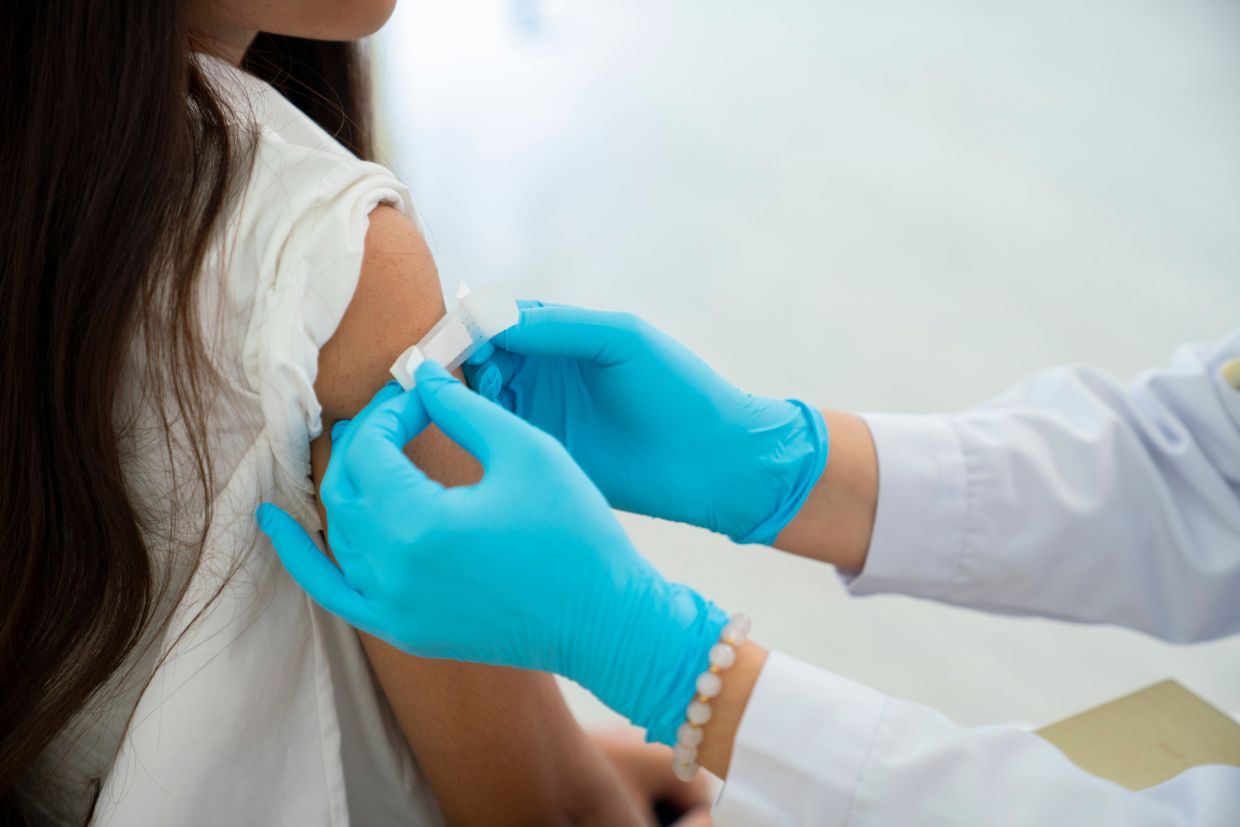
Hong Kong authorities have reinforced their backing for the city's mandatory childhood immunisation system, publicly defending the schedule against the backdrop of recent changes in United States vaccination policy. The Centre for Health Protection issued a statement on Tuesday emphasising that public health decisions must be grounded in rigorous scientific evidence and peer-reviewed research, rather than political considerations or unsubstantiated health claims.
The Hong Kong Childhood Immunisation Programme encompasses protection against eleven infectious diseases from birth through primary school age. Children receive vaccines and booster doses safeguarding them from tuberculosis, poliomyelitis, hepatitis B, diphtheria, pertussis, tetanus, pneumococcal infection, chickenpox, measles, mumps and rubella. Additionally, the programme offers human papillomavirus vaccination to eligible primary school girls, a preventive measure targeting cervical cancer before the viruses can establish infection. This comprehensive approach has become the gold standard for disease prevention in the city over decades of implementation.
A critical concern underpinning Hong Kong's position involves the danger of vaccination delays. When parents postpone immunisations, children lose crucial protection during the window when they remain most vulnerable to serious complications from infectious diseases. The Centre for Health Protection stressed that without scientific justification, altering established vaccination schedules creates avoidable and potentially irreversible public health risks, particularly for infants and young children whose immune systems remain underdeveloped.
The timing of Hong Kong's statement follows significant policy shifts in the United States. President Donald Trump signed an executive order on Monday that fundamentally narrows the scope of childhood vaccination recommendations. Under the new directive, vaccines for respiratory syncytial virus monoclonal antibodies, hepatitis A, hepatitis B, meningococcal B, meningococcal ACWY, and dengue are now recommended only for individuals deemed to be at elevated risk rather than as standard preventive care for all children. This represents a dramatic departure from the previous approach of universal childhood immunisation.
More broadly, the Trump administration has signalled intent to challenge existing state laws requiring school attendance vaccination, characterising such legislation as violations of parental rights, religious liberty, disability accommodations, and constitutional equal protection principles. This legal posture threatens to undermine vaccination uptake across state borders and potentially triggers a patchwork of inconsistent policies. For regional observers including Malaysia and other Southeast Asian nations that have built robust immunisation frameworks, the American policy reversal raises concerns about messaging and international coordination on communicable disease prevention.
Within Hong Kong itself, the defence of vaccination policy carries particular weight given recent local controversy. Last month, parents of a child under government guardianship filed legal proceedings contesting the Social Welfare Department's decision to have the boy immunised according to standard protocols. The parents, expressing what they described as "fear and anger" over mandatory vaccination arrangements, petitioned the High Court for a writ of habeas corpus, framing the immunisation schedule as unwanted medical intervention that violated their parental preferences.
This custody dispute illustrates broader tensions between collective public health obligations and individual parental autonomy. Hong Kong's Centre for Health Protection countered such arguments by highlighting the exceptional success of the immunisation programme. Dr Edwin Tsui Lok-kin, the centre's controller, noted that consistently high vaccination coverage achieved through parental compliance and professional cooperation has maintained disease incidence at extraordinarily low levels across childhood populations. The data demonstrates tangible benefits: generations of Hong Kong children have been spared the suffering, disability and mortality that once characterised measles, polio, diphtheria and whooping cough outbreaks.
The government has also emphasised the safety profile and practical advantages of combination vaccines, particularly the MMR and MMRV formulations that protect against multiple pathogens with fewer injections. These combination approaches reduce both the number of needle sticks children endure and the risk that busy parents will inadvertently miss scheduled doses—a common source of incomplete protection. Such vaccines have undergone extensive global testing and remain standard across developed health systems worldwide.
For Malaysia and the broader Southeast Asian region, Hong Kong's position reinforces the scientific consensus that underpins most national immunisation programmes in the area. Countries including Singapore, South Korea and Australia have similarly maintained comprehensive childhood vaccination schedules backed by health ministries and professional medical bodies. The American policy shift therefore creates a complicating factor in regional health diplomacy and raises questions about vaccine confidence among populations exposed to conflicting messaging from major developed nations.
The Hong Kong response also signals commitment to evidence-based public health governance at a moment when misinformation about vaccines circulates widely on social media and through alternative health networks. By explicitly linking vaccination policy to scientific research rather than ideology, the Centre for Health Protection sought to reframe the immunisation debate as a technical matter requiring specialist expertise rather than a terrain for political negotiation or individual preference. This distinction matters particularly for developing confidence among hesitant parents who may feel overwhelmed by contradictory claims.
Moving forward, Hong Kong's authorities have urged parents to maintain adherence to the childhood immunisation schedule without delay. This recommendation reflects the understanding that vaccination timing directly affects protection efficacy—immunisations administered on schedule prime the immune system during optimal developmental windows, whereas postponement compromises this protection. For families in Hong Kong and potentially across the region watching American policy developments with concern, the message from health authorities remains clear: the scientific case for childhood vaccination rests on decades of epidemiological data, not political fashion.

