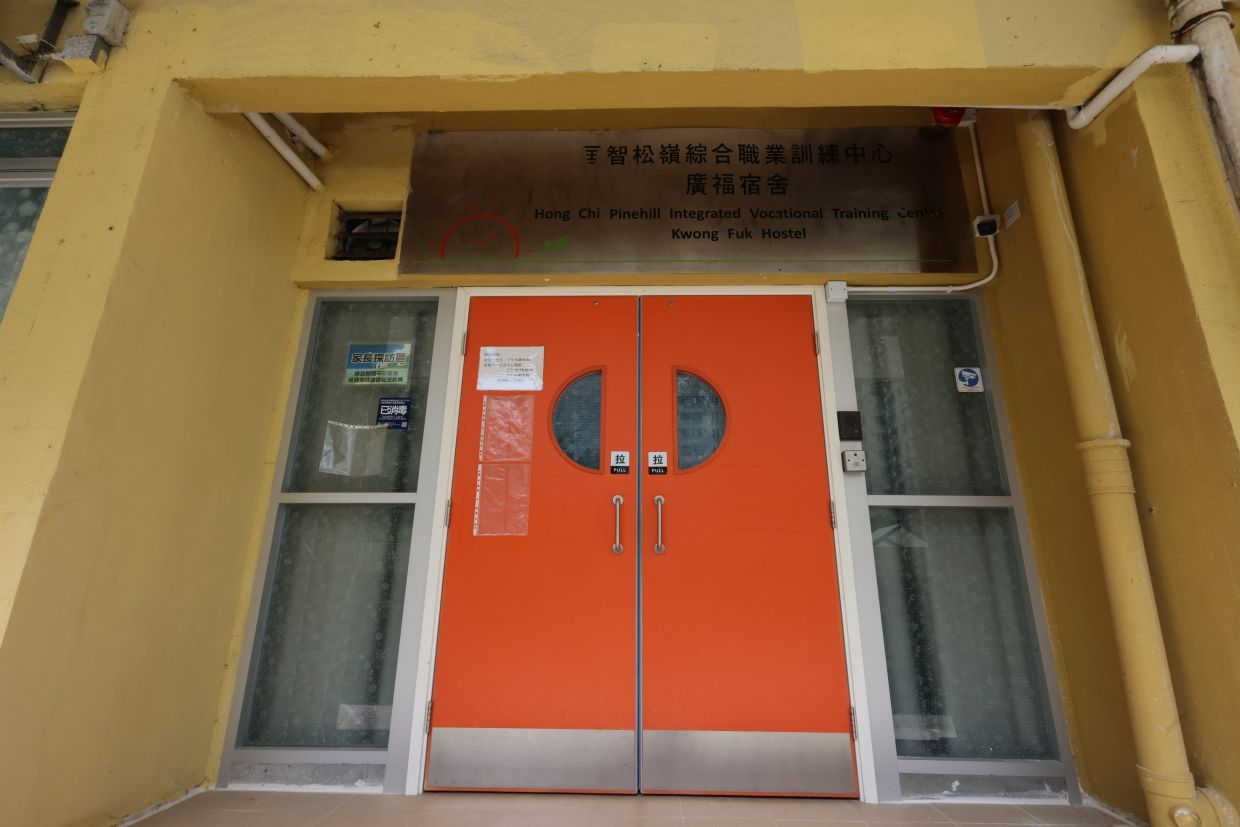
A former assistant warden at a residential facility for people with intellectual disabilities in Hong Kong's Tai Po district faces serious allegations of sexually assaulting a vulnerable resident on multiple occasions. Chung Pui-kei has been formally charged with five counts of rape, with prosecutors arguing the victim, referred to as X, was mentally incapacitated and unable to meaningfully consent to any sexual contact. The trial, which commenced at Hong Kong's High Court under Judge Douglas Yau Tak-hong, presents a stark reminder of the vulnerabilities faced by disabled individuals living in institutional care settings across Asia's developed economies.
According to the prosecution's opening case presented by Human Lam Hiu-man, the alleged assaults occurred between July and August 2024 whilst X resided at the Tai Po home operated by the Chi Association, a non-governmental organisation providing residential services. The victim, now 23 years old, has the cognitive and intellectual capacity equivalent to a child of nine years and ten months, rendering her entirely dependent on caregivers and unable to recognise exploitation or coercion. Three of the alleged incidents took place within a male staff room at the facility, whilst two others occurred in X's personal bedroom, locations where the defendant would have had ready access and minimal oversight.
The prosecution's strategy relies heavily on multiple forms of corroborating evidence rather than solely on the victim's testimony, which prosecutors acknowledge may be limited by her cognitive condition. Video-recorded police interviews with X, conducted shortly after the allegations emerged, form the foundation of the case narrative. Additionally, surveillance footage obtained during the investigation provides independent verification of movements and timing, whilst physical evidence including condoms and other items discovered in a locker within the male staff rest area support the prosecution's contentions about where contact occurred.
Central to the prosecution's argument is the characterisation of how the alleged perpetrator groomed and manipulated his victim. Prosecutor Lam described how Chung cultivated a relationship of trust with X through seemingly innocent gestures—playing video games such as Mario Kart, engaging in conversations, and occasionally providing small treats like marshmallows. From X's perspective as someone with the intellectual capacity of a young child, these actions would have appeared as genuine friendship rather than predatory behaviour designed to isolate and render her compliant. This pattern mirrors grooming techniques documented in abuse cases globally, where perpetrators exploit their positions of authority and the inherent power imbalances in care settings.
The victim's own account of events, whilst fragmented by her cognitive limitations, contains details suggesting she experienced distress and pain during at least some of the alleged incidents. Prosecutors indicate that X remembered locking of doors, disrobing, and physical pain, though her capacity to articulate precise details or resist appropriately was severely constrained. On certain occasions, she attempted to voice discomfort or refusal, but her capacity to escalate resistance or report abuse was compromised by fear of rebuke from Chung, who held an authority position over her. This dynamic—where vulnerability intersects with hierarchical power relationships—represents a critical vulnerability factor in care home environments.
Physical evidence presented to the court included particularly significant forensic findings linking the defendant to the alleged crimes. A bedsheet retrieved from X's room tested positive for semen belonging to Chung as well as DNA matching X herself, providing direct biological evidence of sexual contact within that space. The discovery of contraceptives and related items in the male staff locker further substantiates the prosecution's narrative that Chung deliberately concealed evidence and took precautions to prevent detection. These forensic details transform the case from relying on the uncorroborated word of a cognitively impaired witness into one anchored in objective scientific evidence.
Medical professionals called by the prosecution established X's mental health history and current cognitive status with clinical precision. Psychiatrist Lydia Lam Yi-ngar of Tai Po Hospital, who examined X twice during 2024—once in August shortly after the alleged incidents and again in October—provided expert testimony regarding her patient's condition. The psychiatrist's diagnosis of bipolar affective disorder, combined with X's documented history of hospitalisations in 2018 and 2021, established her as a person requiring ongoing psychiatric management and supervision. Critically, assessments conducted in August and October 2024 found X to be psychologically stable and not currently experiencing post-traumatic stress disorder symptoms, though prosecutors may argue this reflects the early stage of trauma processing rather than absence of harm.
The defence strategy, articulated through counsel Lawrence Hui Cheuk-lun's examination of medical witnesses, focuses on challenging the reliability of X's perceptions and memories. Defence questioning explored whether patients with bipolar disorder might experience hallucinations that could distort perception, including of facial features—potentially casting doubt on X's identification of her assailant. However, the psychiatrist's testimony undermined this line of inquiry by confirming that hallucinations are not recognised side effects of valproate sodium, the mood stabiliser X was taking, and that blood testing demonstrated X had maintained therapeutic drug levels consistent with regular medication compliance throughout the relevant period.
The trial's composition by a jury of four men and two women introduces the element of peer judgment into what represents both a criminal matter and a profound safeguarding failure. The case raises uncomfortable questions about institutional oversight, staff vetting procedures, and whether care facilities across Hong Kong and Southeast Asia adequately protect their most vulnerable residents. The Chi Association, which operates the facility in question, now faces scrutiny regarding whether systemic vulnerabilities enabled or facilitated abuse. Similar concerns resonate throughout Malaysia and other regional economies where care home standards and regulatory frameworks vary considerably.
Beyond the individual criminal trial, this case illuminates broader vulnerabilities within care systems designed ostensibly to protect people with disabilities. Staff members working with intellectually disabled residents occupy positions of extraordinary trust and power, yet not all jurisdictions maintain rigorous background checking, ongoing training in safeguarding, or adequate supervision protocols. In Malaysia, where care home regulation operates under various state-level guidelines, the absence of uniform national standards creates inconsistency in protective measures. The alleged conduct by Chung exemplifies how institutional environments can inadvertently create opportunities for predatory behaviour when oversight mechanisms prove insufficient.
Clinical psychologist Wong Yik-tung from Hong Kong's Social Welfare Department continues providing expert testimony regarding X's intellectual capacity assessment, with proceedings resuming on Monday. The psychologist's formal evaluation of X's cognitive functioning will provide the court with standardised measurements of her intellectual ability, further substantiating prosecution arguments that she lacked capacity to consent to sexual activity. As the trial proceeds toward verdict, it will establish precedent regarding how Hong Kong's courts address sexual assault cases involving cognitively impaired victims, particularly within institutional settings where power dynamics become intensified.

