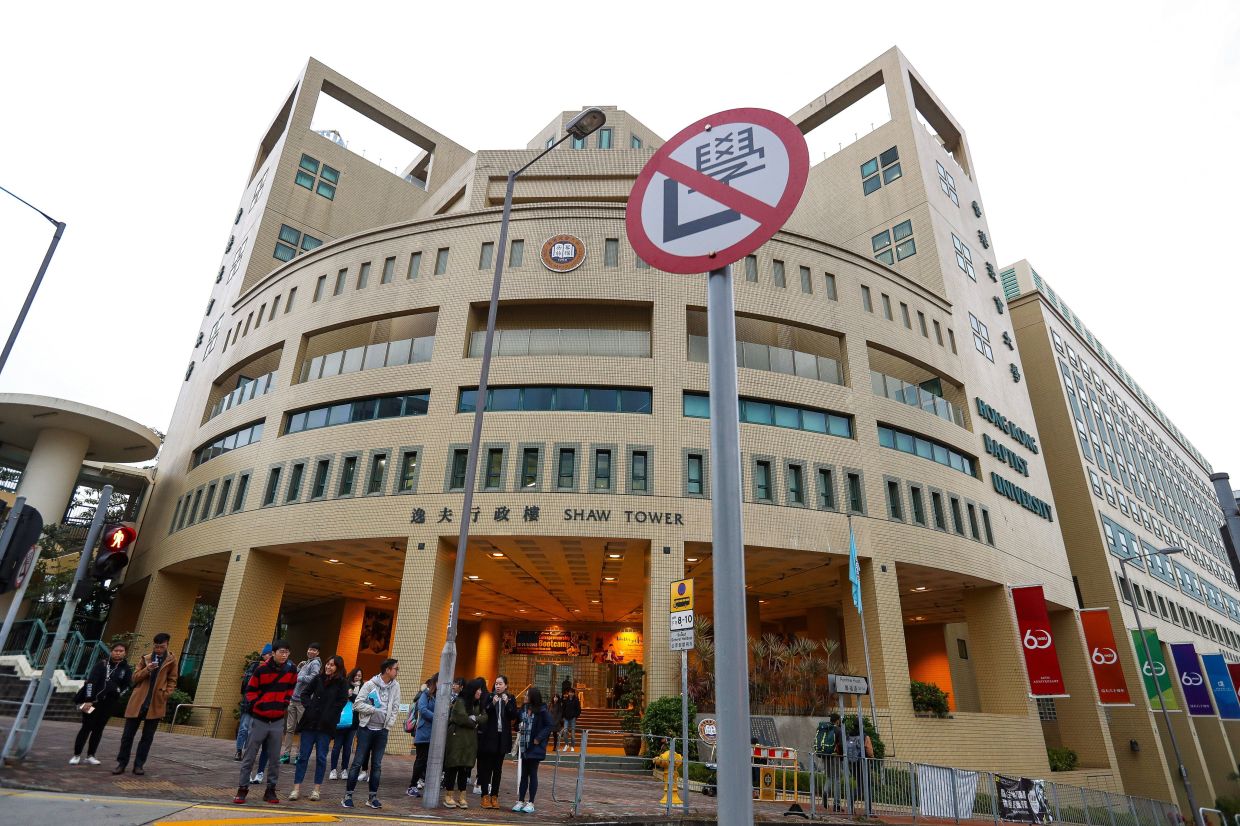
Hong Kong Baptist University is conducting a comprehensive review of its information technology infrastructure after a notorious ransomware operation publicly claimed to have breached the institution's systems and gained access to sensitive data. The Gentlemen, a sophisticated cybercriminal collective that emerged mid-2023, made the allegations public through online channels, prompting the university to launch urgent security assessments and engage with local authorities.
According to cybersecurity monitoring services, the suspected data compromise extends to approximately 1,900 credentials across multiple user categories. The breach appears to encompass roughly 130 staff member accounts, approximately 1,770 general user accounts, and 260 third-party employee credentials linked to external contractors or service providers. This broad scope suggests the attackers potentially gained significant access across the institution's digital infrastructure, raising concerns about the exposure of sensitive personal and institutional information.
The Gentlemen represents a particularly concerning threat to Hong Kong organisations because of the group's operational model and rapid expansion. Rather than simply stealing data for direct profit, the criminal collective operates on a revenue-sharing basis, essentially functioning as an organised crime franchise by leasing its extortion tools and capabilities to other hackers. This approach has enabled rapid proliferation across global networks, transforming the group into a distributed threat that affects organisations worldwide. Security researchers have documented the group's accelerating activity, with successful operations targeting institutions across multiple countries and sectors.
Baptist University acknowledged the incident through an official statement released Tuesday evening, confirming it had identified online allegations of unauthorised system access. The institution noted that it was thoroughly examining its IT security posture and evaluating exposure of personal data held within its systems. University officials committed to implementing appropriate responses through established institutional procedures and maintained they would cooperate fully with regulatory authorities and law enforcement agencies investigating the matter.
Hong Kong's data protection authorities have begun independent scrutiny of the case. The Office of the Privacy Commissioner for Personal Data indicated it had not yet received formal breach notification from the university at the time of the initial claims but stated it had proactively initiated contact with Baptist University to gather comprehensive details about the incident. This suggests a potential gap between the moment the university became aware of the alleged breach and its formal notification to privacy regulators, a timeline issue that may attract regulatory attention.
Industry experts have criticised the initial institutional response and outlined critical steps the university must implement immediately. Francis Fong Po-kiu, honorary president of the Hong Kong Information Technology Federation, emphasised the urgency of notifying the privacy commissioner formally, a fundamental requirement under Hong Kong's data protection regime. He stressed the necessity of engaging independent cybersecurity forensic specialists to conduct thorough system investigations and determine whether the stolen credentials had been weaponised to access core institutional systems or facilitate broader data exfiltration.
The expert assessment identified several immediate security measures that should be deployed across Baptist University's campus network. A universal password reset across all systems would prevent further unauthorised access using compromised credentials. Implementing mandatory multi-factor authentication would substantially increase the difficulty of attackers leveraging stolen username and password combinations, even if those credentials remain in criminal hands. These technical measures, while fundamental, require rapid deployment given the potential ongoing threat.
Beyond immediate technical responses, Fong recommended engaging law enforcement authorities to enable criminal investigation and preserve forensic evidence that might identify the specific individuals responsible. Transparent communication with affected staff and students represents another critical element, enabling the university community to take protective measures regarding personal information and remain vigilant against social engineering attacks that often follow major breaches. Attackers frequently exploit breach publicity by impersonating legitimate institutions to manipulate staff into revealing additional credentials or sensitive information.
For Malaysian institutions and regional organisations, the Baptist University incident highlights the expanding threat environment facing educational establishments and research institutions across Asia. Universities typically maintain extensive databases containing sensitive personal information about thousands of students and staff members, making them attractive targets for sophisticated criminal operations. The Gentlemen's demonstrated ability to penetrate institutional defences at a major Hong Kong university suggests that comparable Malaysian institutions cannot assume they operate below the threat horizon.
The incident underscores the importance of robust cyber hygiene practices and institutional preparedness across regional higher education sectors. Many universities across Malaysia and Southeast Asia operate with limited cybersecurity dedicated resources, creating vulnerability to advanced threats. The revenue-sharing model deployed by The Gentlemen means that successful breaches against prominent institutions generate operational templates that less sophisticated criminal groups can subsequently apply against less well-defended targets.
Regulatory and compliance implications extend beyond Hong Kong, as data protection frameworks across Southeast Asia increasingly incorporate mandatory breach notification requirements and specific response timelines. Malaysian organisations subject to the Personal Data Protection Act face similar obligations, with regulatory penalties for inadequate breach handling. The Baptist University case provides instructive lessons regarding the importance of maintaining comprehensive asset inventories, understanding where sensitive data resides, and developing coordinated incident response plans before breaches occur.
Longer-term institutional responses should encompass regular security audits, staff cybersecurity training programmes, and vulnerability management processes. The educational sector's mission-driven culture sometimes de-prioritises cybersecurity investments relative to operational requirements, creating persistent gaps. However, the reputational and legal consequences of major breaches increasingly justify substantial cybersecurity investment. Regional universities should examine their current security postures against Baptist University's experience and consider whether their existing defences would withstand comparable attack sophistication.

