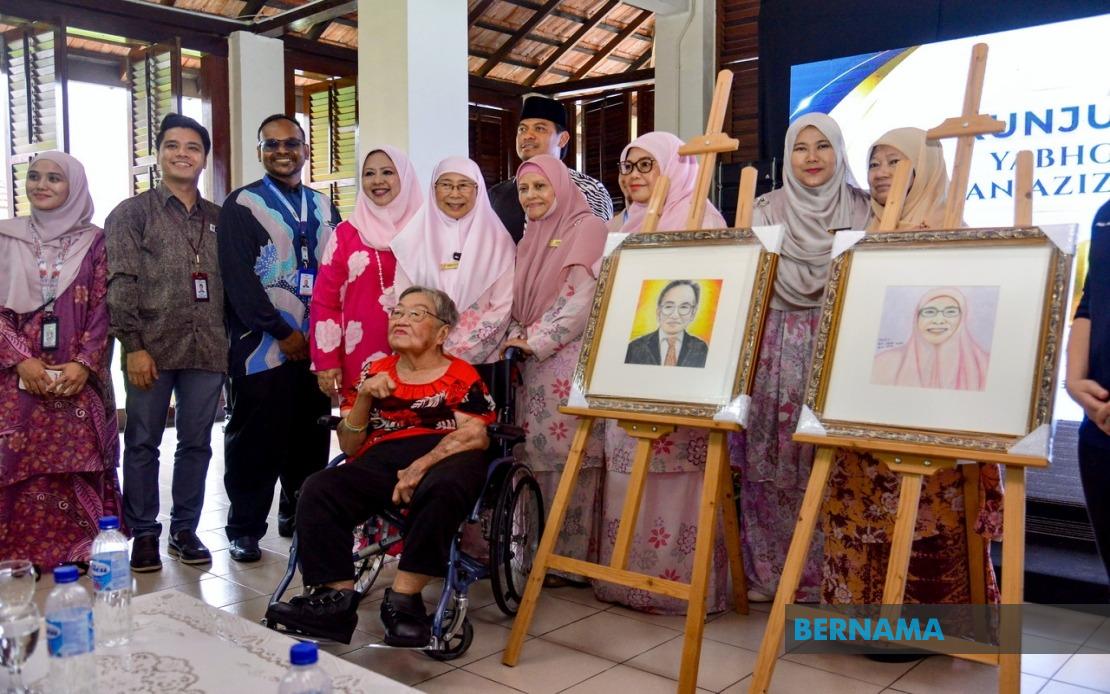
The National Leprosy Control Centre in Sungai Buloh has become a focal point for Malaysia's commitment to medical heritage as it marks a century of operation since its establishment in 1926. During a commemorative visit, Datuk Seri Dr Wan Azizah Wan Ismail, wife of the Prime Minister and Member of Parliament for Bandar Tun Razak, underscored the importance of safeguarding this institution for future generations, emphasizing that it represents a pivotal chapter in the nation's health achievements and should be maintained as a living testament to medical progress.
The centre's historical significance cannot be overstated within the Southeast Asian context. Before Malaysia achieved leprosy elimination status in 1994, PKKN operated as the world's second-largest isolation facility for the disease, serving as a beacon of hope for countless patients across the region. This distinction places the institution on a global medical map and reinforces why local preservation efforts matter not merely for domestic audiences but for international recognition of Malaysian healthcare advancement. The facility's transformation from a primary treatment centre to a historical monument reflects broader changes in disease management and public health philosophy over the past hundred years.
Dr Wan Azizah's advocacy extends beyond mere physical preservation of buildings and infrastructure. She articulated a nuanced position that balances heritage conservation with contemporary healthcare modernization, suggesting that the centre should simultaneously maintain its architectural and historical character while undergoing measured facility upgrades to ensure continued medical functionality. This dual approach acknowledges that historical sites need not become stagnant museums but can evolve as active healthcare institutions that honour their past whilst serving present needs.
The epidemiological achievements at PKKN deserve particular attention when considering preservation imperatives. Malaysia's leprosy prevalence rate now stands at 0.15 cases per 10,000 population, substantially below the World Health Organisation's elimination threshold, a statistic that testifies to decades of patient care, research, and public health intervention conducted at this very facility. The centre's role in reaching this milestone should elevate its status from merely historical to actively educational, offering valuable lessons for tackling other communicable diseases in the region.
Perceptions surrounding leprosy have evolved dramatically since PKKN's establishment, a transformation that Dr Wan Azizah herself highlighted during her visit. The disease, once feared as a highly contagious affliction warranting strict isolation policies, is now understood as neither easily transmissible nor inevitably debilitating when properly treated. This shift in medical knowledge and social understanding makes the centre an ideal venue for public education and stigma reduction, purposes that preservation initiatives should explicitly incorporate into their planning.
The centre's adaptability during recent health crises demonstrates its continuing relevance to national health infrastructure. When COVID-19 emerged in 2020, PKKN's facilities were repurposed to serve as a dedicated pandemic ward, illustrating how heritage institutions can maintain operational importance during emergencies. This dual-use capacity suggests that preservation strategies need not render facilities economically or functionally obsolete, but rather enable them to contribute flexibly to evolving health demands.
During her visit, Dr Wan Azizah engaged directly with centre staff and residents, a gesture emphasizing the human dimension often absent from heritage discussions. By contributing daily necessities and accepting artwork from residents, she acknowledged that preservation initiatives must centre on the dignity and welfare of current inhabitants alongside structural conservation. This personalized approach resonates across Southeast Asia, where many nations grapple with how to honour medical heritage whilst respecting the rights and experiences of those who have lived these histories.
For Malaysia more broadly, the PKKN preservation conversation arrives at a moment when the nation is reassessing its cultural and scientific heritage priorities. Allocating resources to maintain century-old medical facilities requires demonstrating their educational, research, and commemorative value to contemporary audiences and policymakers. The success of preservation efforts here could establish precedents for protecting other historic health institutions across the region, creating networks of medical heritage sites that strengthen collective Southeast Asian medical identity.
Chairman of the KASIH Malaysia welfare organization, Dr Wan Azizah's advocacy carries institutional weight and signals government-level support for preservation initiatives. Her framing emphasizes that heritage conservation represents not nostalgic indulgence but practical investment in institutional memory and public health education. This positioning could facilitate budget allocation and policy support necessary for meaningful preservation work, transforming ceremonial centennial acknowledgements into substantive conservation projects with enduring community benefit.

