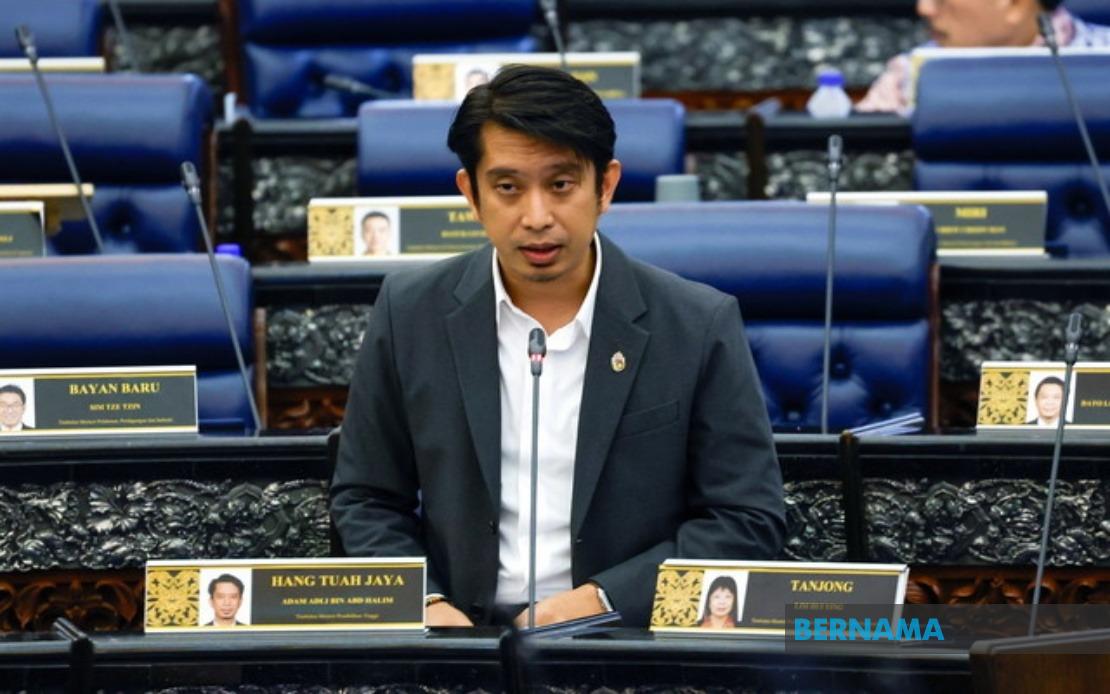
The Ministry of Higher Education has initiated a comprehensive overhaul of its coordination framework with professional regulatory bodies both domestically and internationally, aiming to prevent gaps in the recognition process that have left overseas graduates in legal limbo. Deputy Minister Adam Adli Abd Halim outlined the strategy during parliamentary proceedings, emphasizing that the ministry recognises a pressing need to create systematic oversight of Malaysian students pursuing qualifications abroad, where bureaucratic misalignment between educational institutions and professional boards has occasionally hindered credential recognition.
The catalyst for this policy shift emerged from the troubled experience of four pharmacy graduates from Alexandria University in Egypt, whose qualifications faced recognition hurdles when the university failed to notify the Malaysian Pharmacy Board of curriculum changes to their programme. The incident exposed a critical vulnerability in the existing system: while the Malaysian Qualifications Agency routinely approved the academic credentials, the professional body responsible for registering practitioners remained unaware of programme modifications, creating a technical impasse that prevented graduates from practising their profession legally in Malaysia.
Adam Adli clarified that the bottleneck was not fundamentally rooted in the MQA's approval process, which continued to function normally, but rather in the communication chain between foreign universities and Malaysia's professional regulatory authorities. This distinction matters significantly for Malaysian students abroad, as it suggests the remedy lies not in reimagining academic accreditation procedures but in establishing more robust notification and coordination protocols that ensure professional bodies receive timely updates whenever overseas programmes undergo structural changes.
The ministry's new approach centres on creating an integrated database documenting Malaysian students enrolled in professional programmes outside the country, enabling proactive monitoring of their academic progress and ensuring sustained alignment between institutional standards and Malaysian professional requirements. This registry would effectively create a centralised intelligence system, allowing officials to track programme modifications as they occur and alert relevant professional boards before recognition crises materialise. For students, this means greater assurance that their degrees will be recognised when they return home, contingent on maintaining quality standards throughout their overseas education.
Institutional coordination will hinge on establishing more formalised communication channels between foreign universities, Malaysia's recognition agencies, and professional bodies such as the Malaysian Pharmacy Board, Engineering Accreditation Council, and analogous regulators across various professions. The Joint Technical Committee comprising the MQA and professional bodies will play a pivotal role in this enhanced ecosystem, essentially acting as a hub that ensures all stakeholders remain aligned regarding programme standards, curricular changes, and emerging professional requirements.
However, the deputy minister emphasised that professional registration ultimately remains the prerogative of individual professional bodies operating under their respective legal mandates, not the MQA or the ministry itself. This distinction underscores a fundamental principle in Malaysia's professional regulation framework: academic qualification recognition and professional licensure are distinct processes, each governed by separate legal instruments and regulatory authorities. A graduate holding an MQA-recognised degree does not automatically gain professional registration; additional hurdles may include practical examinations, supervised training periods, or competency assessments tailored to Malaysian professional standards.
For overseas graduates specifically, the registration pathway involves direct application to the relevant professional body, which assesses whether foreign qualifications and experience meet local requirements. This process protects public interests by ensuring that practitioners meet consistent standards regardless of where they obtained their foundational education. The downside for Malaysian graduates studying abroad is navigating a more complex procedural landscape, where they must themselves ensure their qualifications and practical experience satisfy both academic and professional criteria.
The implications for Malaysian students considering overseas education are substantial. While the enhanced monitoring mechanism should reduce recognition surprises, students nonetheless bear responsibility for verifying that their chosen programmes maintain standing with Malaysian professional bodies. This places a greater informational burden on prospective students and their families, who must conduct due diligence before enrolling, rather than assuming that a programme's international reputation automatically translates into local professional acceptance.
Regionally, Malaysia's approach mirrors broader Southeast Asian concerns about ensuring credential portability across borders while maintaining professional standards. As regional mobility increases, particularly within ASEAN frameworks promoting labour movement, countries face mounting pressure to balance openness toward foreign qualifications with protection of domestic professional standards. Malaysia's refined system attempts this balancing act through enhanced coordination rather than erecting new barriers, potentially positioning it as a model for regional peers grappling with similar issues.
The pharmaceutical sector's recent troubles also highlight vulnerabilities across other regulated professions where overseas training is common. Engineering, medicine, nursing, and accounting graduates from abroad similarly navigate multiple approval layers, and analogous communication breakdowns could theoretically occur across any discipline. The ministry's broader monitoring framework, if properly resourced and implemented, could prevent similar incidents across the professional spectrum.
Implementation success will ultimately depend on sustained cooperation between institutions often operating with competing priorities and limited resources. The MQA must proactively engage with overseas universities; professional bodies must process notifications promptly and communicate requirements clearly; and the ministry must adequately fund and staff coordination mechanisms. Without genuine institutional commitment, the new framework risks becoming bureaucratic window-dressing that addresses symptoms rather than root causes.
For Malaysian families with overseas-studying children, particularly in professionally regulated fields, the message is cautiously optimistic but not unconditional. The enhanced coordination should provide greater certainty around recognition, but students and their advisors must still exercise diligence, maintain regular contact with Malaysian professional bodies during their studies, and anticipate that additional training or examinations may be required upon return. The ministry's recognition mechanisms provide essential but insufficient guarantees; individual initiative remains indispensable.

