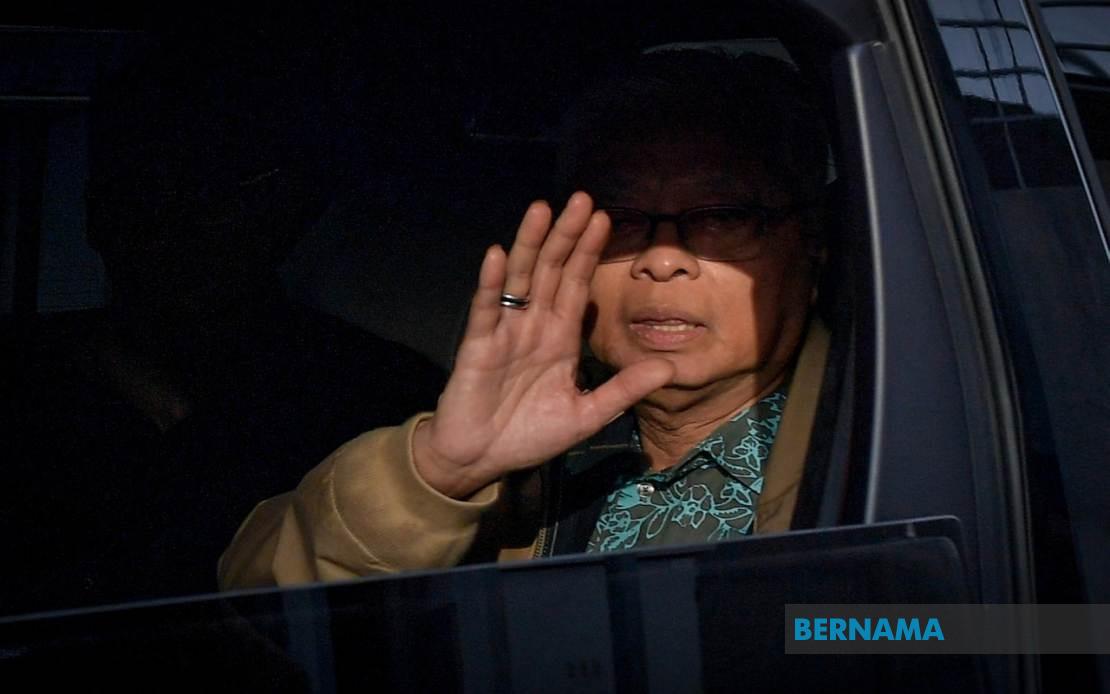
The High Court in Kuala Lumpur has reinforced judicial protections for online expression by upholding the acquittal of blogger Jufazli Shi Ahmad, who faced charges related to YouTube videos critical of former Prime Minister Datuk Seri Ismail Sabri Yaakob and UMNO. Judge Datuk Aslam Zainuddin's decision to dismiss the prosecution's appeal marks a significant moment in Malaysia's evolving approach to digital speech, particularly when that speech targets political figures and institutions.
The case centred on two distinct charges stemming from content posted and actions taken in mid-2022. Jufazli's first charge involved creating and transmitting what authorities deemed offensive communications through his 'King Maker Politik' YouTube channel on June 27, 2022, with the footage allegedly accessed by police three days later at the Dang Wangi District Police Headquarters. The second charge addressed his refusal to surrender his account password to investigating officers during a police interview on July 5, 2022. Both allegations carried substantial potential penalties: the first under Section 233 of the Communications and Multimedia Act 1998 threatened up to RM50,000 in fines or one year's imprisonment, while the second, prosecuted under Section 249, risked RM100,000 or two years' confinement.
Judge Aslam's dismissal of the prosecution's appeal represents more than a technical legal victory; it reflects the High Court's assessment that the lower court's reasoning in acquitting Jufazli was sound and defensible. The Sessions Court had concluded the case at the end of the prosecution's evidence stage, effectively determining that the state had not established the necessary elements to secure a conviction. When the High Court upheld this decision after reviewing the appeal record and both parties' submissions, it signalled confidence in that threshold assessment.
This outcome carries implications for Malaysia's digital sphere and the boundaries of permissible political commentary. Content creators, journalists, and citizens engaging in online discourse about political matters have long navigated uncertainty regarding what constitutes actionable offence versus protected expression. The court's affirmation that charges in this instance did not survive scrutiny provides some clarification, though each case will necessarily depend on its particular circumstances and evidence.
The prosecution's decision to appeal the Sessions Court's acquittal, mounted by Deputy Public Prosecutor Mohamad Fadhly Mohd Zamry, reflected official confidence in the charges. However, the High Court's rejection indicates that the appellate bench found no reversible error in the original discharge decision. This pattern—where prosecutorial appeals of acquittals encounter judicial resistance—has become increasingly common in politically charged cases, suggesting courts are exercising independent judgment rather than deferring automatically to enforcement agencies.
Jufazli's legal representation by lawyer Ramesh N.P. Chandran ensured robust defence arguments at both trial and appellate stages. The defence's success in maintaining the acquittal across judicial levels underscores the importance of capable counsel in navigating communications legislation that many practitioners view as broad and potentially restrictive of legitimate speech.
The Communications and Multimedia Act 1998, under which both charges were prosecuted, has faced recurring criticism from free speech advocates and civil liberties organisations. Section 233, in particular, which criminalises offensive communications without tightly defining what constitutes offensiveness, has generated considerable debate about whether it adequately protects genuine expression versus suppressing political dissent. The High Court's decision, while not explicitly revisiting the statute's constitutionality, implicitly suggests that prosecution under these provisions requires clear evidence of malicious intent and communicative content that plainly crosses legal thresholds.
The refusal to compel password disclosure, addressed in the second charge, raised distinct considerations about digital privacy and investigative authority. Police sought access to the account to examine its full contents and communication patterns. Jufazli's resistance—and the court's implicit validation of his position through acquittal—touches on evolving questions about what compelled disclosure obligations should apply in digital contexts. Malaysian courts are still developing jurisprudence on whether possessing passwords constitutes custody of information that subjects individuals to production orders.
The timing of this case within Malaysian politics adds context. The 2022 charges occurred during a period of considerable political turbulence, with Ismail Sabri's premiership facing internal party challenges within UMNO and broader coalition pressures. That political content provoked official investigation and prosecution, ultimately unsuccessful, demonstrates how online criticism of sitting or former leaders can trigger state enforcement mechanisms—a pattern familiar across the region and globally.
Looking forward, the High Court's decision likely influences how prosecutors evaluate similar cases involving social media criticism of political figures. While the acquittal does not establish binding precedent for lower courts, it provides persuasive authority suggesting that mere offensiveness or annoyance, without additional elements demonstrating clear legal violations, may prove insufficient for conviction. This threshold analysis applies whether content targets individuals or political parties.
For content creators in Malaysia and the broader Southeast Asian region watching this outcome, the judgment offers modest reassurance that online platforms can host political discourse without absolute certainty of prosecution, provided the communicator has not crossed into demonstrably unlawful territory. Simultaneously, the case's trajectory—from investigation to charging to trial to acquittal to failed appeal—illustrates the system's procedural costs, even for ultimately vindicated speakers.
The decision by Judge Aslam, emphasising that the appellant's appeal was dismissed and the Sessions Court's acquittal upheld, provides finality to Jufazli's legal ordeal while leaving broader questions about digital speech regulation to future cases. As Malaysia continues calibrating its approach to online expression in an increasingly connected society, judicial outcomes like this one gradually shape the permissible boundaries of political commentary, one appeal at a time.

