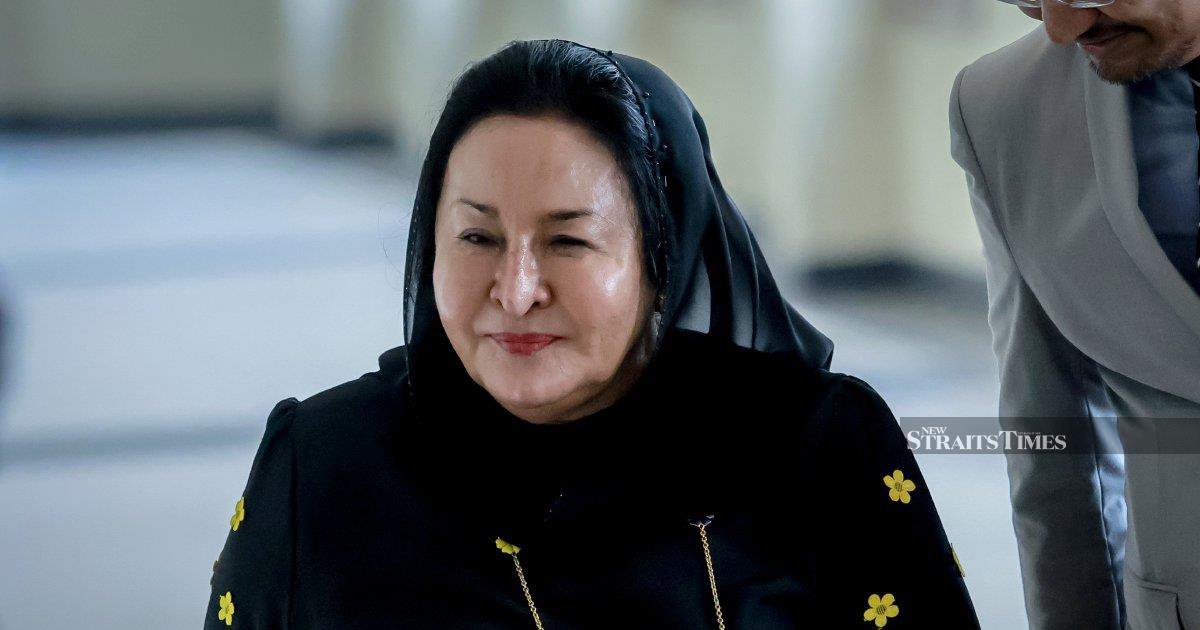
The Malaysian High Court has set August 12 as the date to determine whether Datin Seri Rosmah Mansor will be permitted to postpone her substantial financial obligation to Global Royalty Trading SAL, a jewellery company incorporated in Lebanon. The case centres on a disputed sum of RM67.5 million, marking another significant development in the former Prime Minister's wife's ongoing legal entanglements.
The deferment application represents a critical juncture in the broader dispute between Rosmah and the Lebanese firm. Should the court grant her request, it would provide temporary relief from the immediate financial pressure of meeting the full payment obligation. Conversely, rejecting the application would require her to confront the debt within a timeline the court deems appropriate, potentially intensifying her financial circumstances.
Rosmah's legal team has presumably argued grounds for the deferment that warrant the court's consideration, though the specific reasoning underpinning the application remains formally undisclosed. Such requests typically hinge on demonstrating genuine financial hardship, inability to liquidate assets within a compressed timeframe, or circumstances that would render immediate payment unreasonably onerous.
The Global Royalty Trading case illustrates the complex financial entanglements that have characterised Rosmah's post-2018 period. Following the political upheaval that transformed Malaysia's governance landscape, numerous legal and financial disputes have surfaced involving the former Prime Minister's family. These matters have attracted substantial public attention, reflecting broader concerns about accountability and the disposition of assets acquired during the previous administration.
From a legal perspective, the High Court's decision will depend on established jurisprudence regarding payment deferrals and the credibility of the arguments advanced. Malaysian courts have consistently balanced creditor interests against debtor circumstances, particularly when substantial sums are involved. The judgment could establish precedent for similar applications in high-value commercial disputes.
The Lebanese jeweller's position warrants consideration. Global Royalty Trading presumably contends that it has fulfilled its contractual obligations and deserves timely settlement. The company's willingness to litigate in Malaysian courts suggests either a significant contractual dispute or confidence in the enforceability of its claim under Malaysian law.
This case sits within Malaysia's broader context of addressing financial irregularities and disputes linked to the previous administration. Since 2018, numerous investigations and legal proceedings have examined transactions and acquisitions spanning the period when Rosmah occupied her former position. The jewellery matter represents one strand within this larger framework of accountability mechanisms.
For Malaysian business and legal observers, the August 12 hearing will provide clarity on how courts approach deferment applications involving substantial foreign commercial entities. The decision could influence how similar disputes are navigated by other parties facing comparable payment obligations and requesting temporal relief.
The timing of the hearing also signals the judicial system's progress in processing what has become an increasingly complex caseload involving former high-ranking officials and their families. Courts continue managing these matters while maintaining the integrity and impartiality expected of Malaysia's legal institutions, a balance that remains critical to public confidence in the system.
Rosmah's various legal challenges spanning multiple jurisdictions have drawn international attention, particularly regarding Malaysia's commitment to prosecuting financial malfeasance and addressing asset questions. Each court decision contributes to perceptions of how thoroughly Malaysia's legal system addresses such matters.
Beyond the immediate financial implications for Rosmah, the case underscores questions about the sources and acquisition of luxury goods during her husband's tenure. Jewellery purchases, particularly of significant value, routinely become focal points in examinations of wealth origins and the legitimacy of expenditures during periods of official responsibility.
The August 12 date provides both parties opportunity to present comprehensive arguments. The court will need to evaluate whether deferment serves justice while protecting creditor interests, a determination that requires careful weighing of competing considerations and applicable legal principles governing payment obligations and temporal relief.

