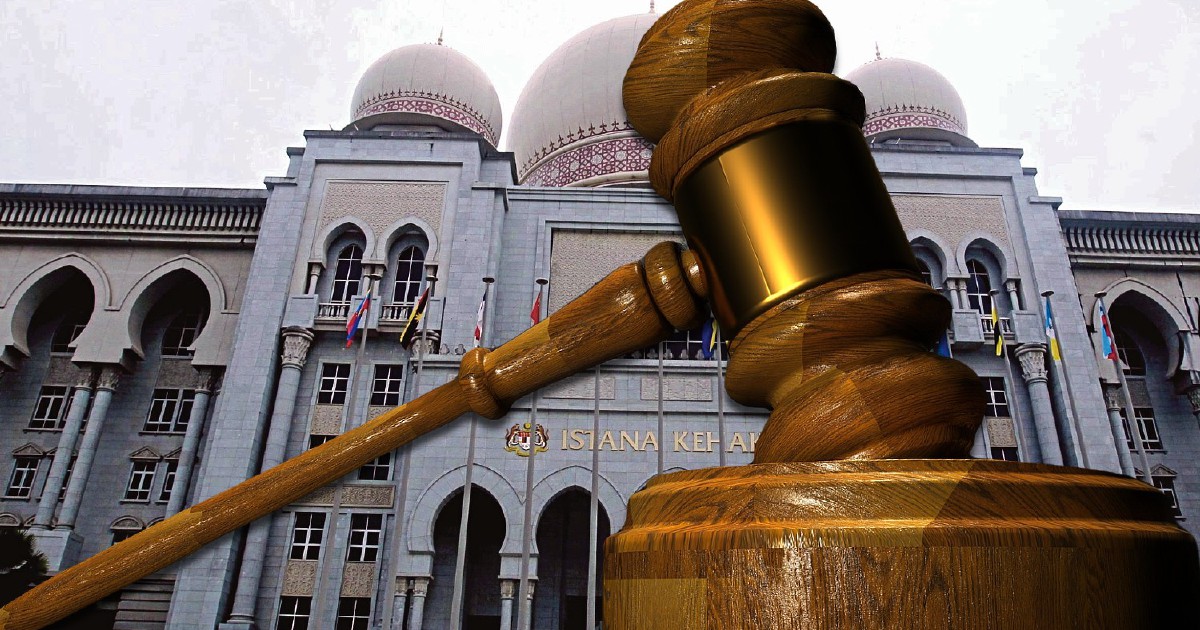
The High Court in Kuala Lumpur has scheduled September 21 as the date to hear arguments and deliver its decision on several preliminary legal matters that Datuk Seri Anwar Ibrahim has raised in a civil suit brought against him by Muhammed Yusoff Rawther, his former research aide. The court's determination will establish whether these threshold questions should be addressed separately and resolved before the main trial proceeds, a procedural decision that could significantly affect the trajectory and timeline of the case.
Preliminary issues in civil litigation serve an important function within Malaysia's legal framework. They allow parties to challenge the viability or procedural integrity of a case before substantial resources and court time are devoted to a full trial. Such matters might include questions about the court's jurisdiction, whether the claim is legally sound on its face, or whether certain procedural requirements have been satisfied. By addressing these issues first, courts can avoid prolonged trials on cases that may face fundamental defects or barriers to proceeding.
The specific nature of the preliminary issues Anwar has raised has not been detailed in the court scheduling announcement, leaving observers to speculate about potential grounds. These could range from technical objections about service of documents or jurisdiction, to more substantive challenges about whether the allegations as framed constitute a valid cause of action under Malaysian civil law. The distinction matters considerably, as some preliminary issues can be disposed of relatively swiftly, while others may require extensive argument and examination of evidence.
Muhammed Yusoff Rawther's allegations against Anwar involve claims of sexual assault. The decision to pursue the matter through civil court rather than or in addition to criminal channels reflects the complainant's choice of legal remedy, though the two proceedings operate under different standards of proof and procedural rules. In civil cases, the burden of proof rests on the balance of probabilities, whereas criminal proceedings require proof beyond reasonable doubt.
The timing of this case intersects with ongoing scrutiny of prominent Malaysian political figures. Anwar, who has held various senior government positions and political roles, has faced legal challenges in the past. How courts handle such high-profile cases inevitably attracts public attention and raises questions about judicial independence, procedural fairness, and equal treatment before the law. The September 21 hearing will be observed not only by the parties' legal teams but potentially by media and interested observers monitoring Malaysia's legal system.
The separation of preliminary issues from the main trial, if granted, could extend the overall timeline for resolution. Alternatively, disposing of preliminary issues quickly might allow the substantive trial to commence sooner. Either way, the September 21 hearing represents a critical procedural waypoint that will shape how the litigation progresses. Should the court determine that preliminary issues should be heard separately, each party will need to prepare targeted legal arguments and potentially marshal evidence specific to those narrower questions.
Malaysia's civil procedure rules, which govern cases like this, provide courts with considerable discretion in managing litigation. Judges must balance efficiency with fairness, ensuring that neither party is prejudiced by procedural decisions while also avoiding unnecessary delay. The High Court's approach to preliminary issues in Anwar's case will reflect broader judicial practice in how Malaysian courts organize complex or high-profile civil disputes.
For Malaysian readers following developments in the nation's legal system, this case exemplifies how civil courts function independently of political considerations, at least in theory. The rule of law depends on consistent application of procedural rules regardless of a defendant's status or prominence. The September 21 hearing will provide insight into whether Malaysia's courts maintain that principle when dealing with figures of political significance.
The involvement of a former research aide as the plaintiff adds another layer to the case's context. Research assistants typically work closely with their employers on sensitive matters, and allegations emerging from such relationships raise questions about power dynamics and workplace conduct. How Malaysian courts address such claims reflects evolving standards regarding workplace safety and accountability.
As September 21 approaches, both Anwar's legal team and Rawther's lawyers will prepare comprehensive submissions addressing the preliminary issues. These arguments will likely involve detailed analysis of Malaysian civil procedure, relevant case law, and specific facts surrounding the complaint and its filing. The quality of these submissions can influence how the court ultimately rules and may set precedents affecting similar disputes in future cases.
The outcome of the September 21 hearing remains uncertain, as courts typically announce decisions after considering all arguments presented. Whether preliminary issues are determined before trial or concurrent with it, the case will continue to unfold within Malaysia's formal legal system. This procedural framework, despite occasional criticism, provides structured processes for resolving disputes and protecting the rights of all parties involved.
For the broader Malaysian public, this case underscores the importance of understanding how civil courts operate and the technical procedural decisions that courts must make before substantive claims are addressed. The September 21 hearing represents one of several critical junctures that will determine how quickly and efficiently the courts can ultimately resolve the allegations between Anwar and Rawther.

