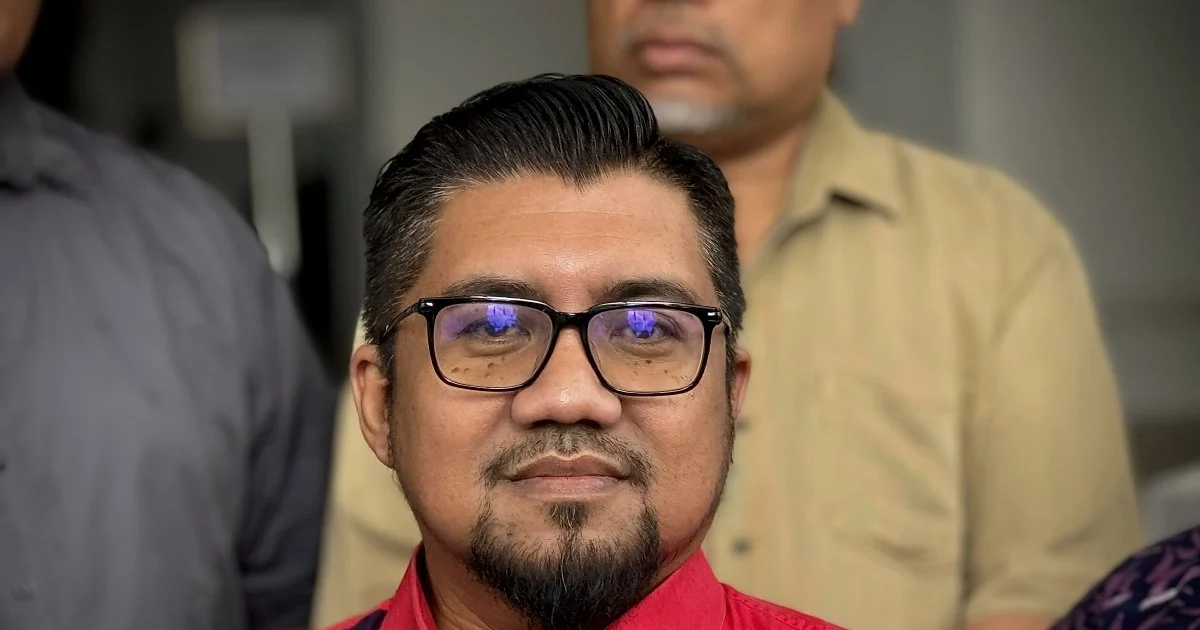
The High Court in Kuala Lumpur has overturned a previous acquittal and ruled that political activist Badrul Hisham Shaharin, better known as Che'gu Bard, must present a defence against charges of defaming His Majesty Sultan Ibrahim, the King of Malaysia. The decision marks a significant reversal in a case centred on statements the activist allegedly made concerning a purported audience with prominent political figures that took place approximately two years prior to the legal proceedings.
The court's decision to vacate the initial acquittal represents a noteworthy development in a long-running legal dispute that has drawn attention to broader questions about free speech and the boundaries of legitimate political commentary in Malaysia. The reversal suggests the judicial review of the lower court's findings uncovered grounds sufficient to warrant a full defence hearing, allowing prosecutors to present their complete case against the activist.
Badrul Hisham, a prominent figure in Malaysian civil society circles and political commentary, has maintained positions on various matters of public interest throughout his career as an activist and social commentator. The alleged statements at the heart of this case are understood to relate to interpretations of private conversations and political developments, touching on sensitive matters involving the monarchy and governance issues that have generated considerable public discourse in recent years.
The reversal of acquittal is a procedural outcome that typically occurs when an appellate court determines that the trial court's dismissal of charges was legally unfounded or based on insufficient evaluation of the evidence presented. This development means the case will now proceed to the defence stage, where Badrul Hisham's legal team will have the opportunity to present arguments, evidence, and testimony in response to the defamation allegations.
The case reflects Malaysia's complex legal landscape surrounding statements about the monarchy, where laws protecting the dignity and reputation of the King exist alongside constitutional provisions concerning freedom of expression. Malaysia's Federal Constitution guarantees certain freedoms of speech and expression, yet these are subject to limitations including restrictions on statements that may be perceived as damaging to the institution and person of the monarch. This tension between competing legal principles has been a recurring theme in Malaysian jurisprudence, particularly in cases involving political activists and public commentators.
The timing of the audience that allegedly prompted the statements in question occurred during a period of significant political turbulence in Malaysia, when several major developments were reshaping the political landscape. The alleged discussion with political leaders would have taken place amid substantial changes in the government and shifts in political alliances, potentially explaining why statements about such a meeting attracted heightened scrutiny from authorities.
Defamation proceedings involving the monarchy carry considerable weight within Malaysia's legal system and broader society, given the constitutional position and symbolic importance of the institution. Cases of this nature typically generate significant media attention and public discussion, as they inevitably raise questions about the proper scope of permissible political criticism and the mechanisms available to protect public institutions from reputational harm.
For Badrul Hisham, the court's decision necessitates a comprehensive defence strategy that will likely involve challenging the factual accuracy of the alleged statements, questioning their defamatory nature, and potentially invoking principles of fair comment and public interest as potential defences to defamation charges. His legal team will need to carefully navigate the evidentiary hearing while addressing the specific allegations concerning what was said about the purported audience.
The broader implications of this case extend beyond the individual defendant, potentially influencing how other political activists, commentators, and civil society figures evaluate the risks associated with public statements on sensitive matters. Malaysian observers of the legal system have noted that cases involving alleged defamation of the monarchy can establish important precedents regarding the boundaries of acceptable public discourse, with ramifications for freedom of expression in the country.
The High Court's decision to order the defence stage represents a preliminary determination that the prosecution has presented sufficient evidence of a prima facie case—meaning evidence that would, if accepted, constitute defamation of the King. However, this determination does not prejudge the ultimate outcome, and the defence stage will provide a full hearing where both sides present complete arguments and evidence.
The proceedings ahead will likely involve detailed examination of the specific words attributed to Badrul Hisham, the context in which they were allegedly made, their publication and dissemination, and their potential impact on the reputation of the monarch. The defence will have opportunities to present evidence about the truth or substantial truth of any factual claims, the fair comment nature of any opinions expressed, and whether public interest protections might apply.
This case illustrates the continued importance of defamation law in Malaysia's regulatory framework surrounding public speech, particularly regarding matters touching on the institution of the monarchy. As the case proceeds through the defence stage, it will likely continue to attract attention from civil society advocates, legal scholars, and international observers monitoring developments in Malaysian press freedom and democratic practice.