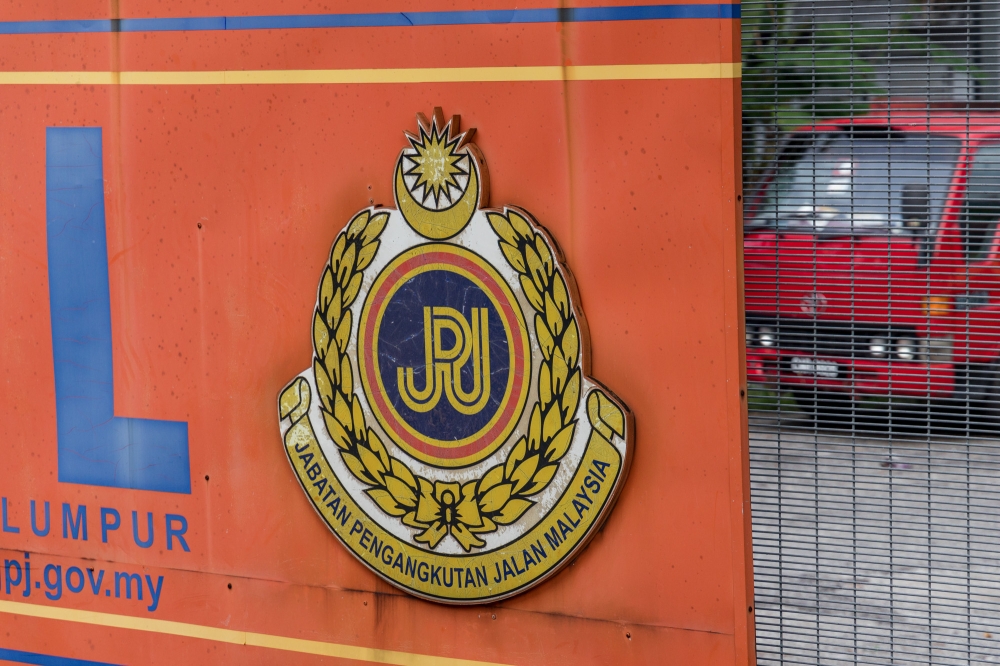
The High Court in Kuala Lumpur has ruled in favour of a motorist seeking damages from the Road Transport Department (JPJ) following the government's ill-fated MADANI number plate proposal. Justice Wong Kian Kheong ordered the JPJ director-general to pay RM40,000 in compensation to the plaintiff, marking a significant legal victory for the individual who contested the administrative decision-making process surrounding the controversial registration scheme.
The MADANI number plate initiative, launched as part of the federal government's broader reform agenda, became a flashpoint for public criticism when details of the proposal emerged. The scheme faced immediate backlash from motorists and industry observers who questioned both the necessity of the programme and the manner in which it was introduced to the public. This court case represents one of the tangible legal consequences flowing from the government's handling of the announcement and implementation process.
At the heart of the dispute lay allegations that the JPJ had violated principles of natural justice in its approach to the MADANI proposal. Natural justice—a foundational concept in administrative law—requires that affected parties receive adequate notice and an opportunity to be heard before decisions that impact them are made. The motorist's legal challenge centred on whether proper consultation and procedural safeguards had been observed before the number plate initiative was unveiled to the public and motorists.
The High Court's decision reflects growing judicial scrutiny of government agencies' administrative procedures, particularly when public-facing policies lack transparent consultation frameworks. Malaysian courts have increasingly insisted that executive bodies follow established protocols for public engagement, even when policies themselves may enjoy political support. This judgment signals that procedural compliance cannot be sidestepped regardless of a scheme's perceived merits or government backing.
The MADANI number plate proposal itself never gained traction with the motoring public. What began as an initiative to introduce a fresh registration system ultimately faced such widespread resistance that the government quietly shelved the programme without formal announcement. The abandonment reflected public sentiment that the scheme served no practical purpose beyond administrative novelty, and that motorists saw no tangible benefit from switching to MADANI-branded plates.
For Malaysian motorists and civil society observers, the judgment underscores an important principle: that government bodies remain accountable to the courts and to citizens when administrative processes fall short of legal standards. The RM40,000 award, while modest in absolute terms, represents vindication of the motorist's position and recognition that procedural shortcuts carry legal consequences. This sends a message to other government agencies that proper consultation mechanisms cannot be treated as mere formalities to be bypassed.
The case also reflects broader questions about how Malaysia's public sector engages with citizens on policy matters. As the country pursues modernisation and digital transformation across various sectors, the tension between swift implementation and meaningful public consultation remains unresolved. This judgment suggests that courts will not hesitate to side with citizens when government bodies attempt to shortcut consultation processes, even when ultimate policy goals may be sound.
Administrative law experts note that such rulings reinforce the importance of institutional memory and established procedures within government agencies. The MADANI case illustrates how failure to follow proper administrative channels—even for policies that are ultimately non-essential—can trigger costly litigation and reputational damage. Other government departments may view this judgment as a cautionary tale about the risks of circumventing consultation frameworks.
The JPJ's experience with MADANI also highlights the distinction between having political authority to implement a policy and possessing public legitimacy for it. While transport policy falls within the government's constitutional purview, public acceptance and procedural propriety remain prerequisite considerations. The court's award reflects this reality: that legitimate authority must be exercised through legitimate means.
For the motorist who pursued this case, the legal victory validates the significant time and resources invested in challenging governmental action. Ordinary citizens rarely contest administrative decisions in the courts, deterred by costs and complexity. This case demonstrates that when government procedures are genuinely defective, determined individuals can secure judicial remedies that vindicate their concerns. The judgment may encourage other motorists or citizens to scrutinise governmental processes more critically when consultation appears inadequate.
Looking forward, the ruling carries implications for how Malaysian government agencies design and announce public-facing policies. The MADANI experience and subsequent court judgment together suggest that haste in implementation, combined with minimal stakeholder engagement, creates vulnerability to legal challenge. Future policy launches, particularly those affecting broad sections of the public like motorists, would benefit from more robust preliminary consultation with affected communities and industry representatives.
The High Court's decision ultimately reflects the judiciary's role as guardian of procedural fairness and administrative propriety. While the MADANI number plate scheme has already been abandoned, the court's award ensures that the government's shortcomings in administrative process are not left unaddressed. This judgment reinforces that in a constitutional democracy, how decisions are made matters just as much as what decisions are reached.

