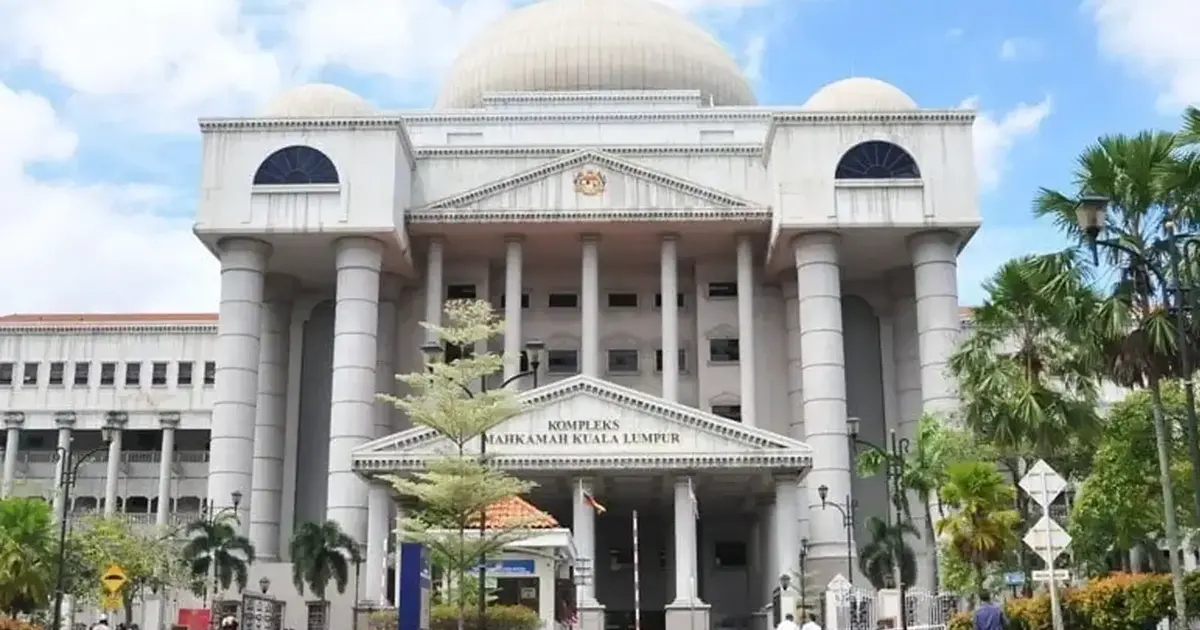
The High Court has issued a domestic Mareva injunction that effectively freezes over RM14 million in assets belonging to the East West group, a development that underscores the judiciary's role in protecting creditors and investors in substantial commercial disputes. The order was granted to ensure that sufficient liquid assets remain within Malaysia's jurisdiction should the group's investors succeed in their ongoing civil litigation against the company. This legal manoeuvre is particularly significant in Malaysia's commodities sector, where asset protection measures have become increasingly important as large conglomerates face investor scrutiny.
A Mareva injunction, named after the seminal 1975 English case, is a court order that prevents a defendant from removing or dissipating assets before judgment is rendered. The domestic variant, available under Malaysian law, applies specifically to assets located within the country and is most commonly sought when there is a genuine risk that a defendant may transfer wealth beyond the court's reach. By freezing these funds, the court has effectively prevented the East West group from moving, selling, or encumbering the assets without explicit judicial permission, creating a powerful incentive for the company to negotiate a settlement or prepare for an unfavourable judgment.
The East West group operates in Malaysia's palm oil industry, one of the nation's most significant agricultural and export sectors. The group's involvement in this lucrative commodity business makes the financial stakes of this dispute particularly high. Palm oil remains a cornerstone of Malaysia's rural economy and export revenues, though the industry has faced mounting international pressure over environmental concerns and labour practices. When commercial disputes reach the level of requiring asset freezes, they typically signal deep-seated disagreements between major stakeholders, often involving allegations of mismanagement, breach of contract, or failure to deliver on investment promises.
The granting of a Mareva injunction requires the applicant to satisfy several strict legal criteria. The court must be convinced that the plaintiff has a strong, arguable case on the merits of the underlying dispute. Additionally, the plaintiff must demonstrate that there is a real and substantial risk that assets will be dissipated or removed from the jurisdiction if the injunction is not granted. The balancing of convenience test must also favour granting the order, meaning that the potential harm to the defendant from the injunction must be outweighed by the benefit to the plaintiff in securing their potential judgment. The fact that the High Court has satisfied itself on all these points suggests that the investors' legal position is sufficiently robust to warrant such a drastic remedy.
The RM14 million figure represents a significant sum in Malaysian commercial litigation, reflecting the scale of the underlying investment dispute. This amount likely represents either the full value of investor contributions to the East West group or a portion thereof that the court deemed necessary to freeze to adequately protect the plaintiffs' interests. The specificity of this figure indicates that the court has carefully considered evidence regarding the extent of the group's liquid assets and the exposure of the investors, rather than simply freezing all assets indiscriminately.
For Malaysian investors and creditors more broadly, this injunction sends an important signal about the High Court's willingness to grant protective remedies in appropriate cases. The decision validates the use of pre-judgment asset freezes as a legitimate tool for ensuring that defendants do not render themselves judgment-proof before trial. This is particularly relevant in a jurisdiction where cross-border asset movement and jurisdictional challenges can complicate debt recovery. However, it also demonstrates that such remedies are not granted lightly; courts remain cautious about imposing restrictions on a defendant's property rights before final judgment.
The existence of this injunction also has practical implications for the East West group's operations and stakeholder relationships. The asset freeze may hamper the company's ability to secure financing, enter into major commercial transactions, or make strategic investments. Lenders and potential business partners will view the injunction as a red flag indicating financial and legal instability. This creates significant pressure on the group to either resolve the dispute swiftly or mount a successful appeal to have the injunction varied or discharged.
Regional investors and multinational corporations operating in Southeast Asia will be watching this case closely, as it illustrates how Malaysian courts handle asset protection in commodity-related disputes. For foreign investors in particular, the knowledge that Malaysian courts are willing to grant Mareva injunctions provides some reassurance that their interests can be protected even if a local company attempts to avoid payment of damages. At the same time, the case highlights the risks that Malaysian companies face when investor confidence erodes, as protective court orders can quickly become obstacles to normal business operations.
The underlying civil suit itself remains at an earlier procedural stage, with the Mareva injunction essentially functioning as a holding mechanism pending full trial or settlement negotiations. The investors will bear the burden of proving their claims, but the asset freeze gives them negotiating leverage. Conversely, the East West group now faces mounting pressure to defend its position vigorously or seek a settlement that resolves investor concerns. The court's decision to grant this injunction reflects judicial recognition that without such protection, even a successful judgment in the investors' favour could prove hollow if the group's assets have been relocated or dissipated in the interim.

