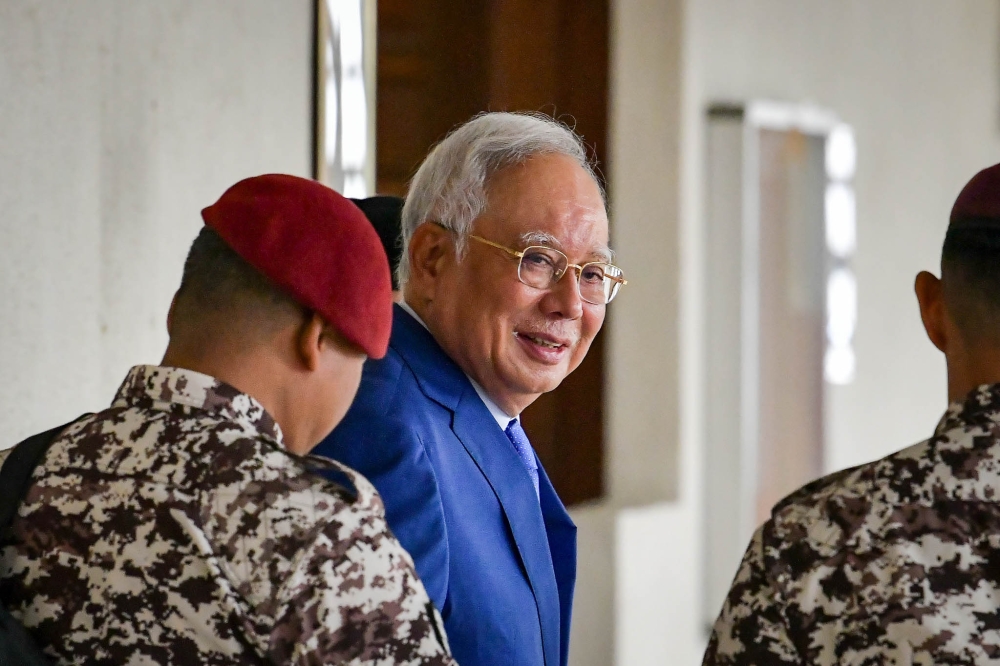
The High Court in Kuala Lumpur is currently examining a case that centres on one of Malaysia's most significant financial scandals in recent history. Prosecutors are presenting evidence that 1MDB and four of its subsidiary companies orchestrated a systematic scheme to defraud the Malaysian state of approximately $5.64 billion. The charges levelled against the former Prime Minister form part of a broader legal reckoning that has unfolded over several years, with the case representing a critical moment in the nation's efforts to hold senior officials accountable for alleged misconduct involving state assets.
The prosecution's strategy in this proceeding focuses on demonstrating a pattern of deliberate betrayal of the rakyat's trust. The fund was originally established as a state investment vehicle intended to generate returns for Malaysians, yet prosecutors contend that it became a conduit for fraud instead. By presenting documentation and testimony about how the 1MDB structure was allegedly manipulated, the court is examining whether leadership at the highest levels orchestrated the misappropriation. The case hinges on establishing the connection between corporate decision-making at 1MDB and the individuals who directed its operations, particularly those with political influence and authority over the fund's governance.
Understanding the 1MDB scandal requires context about how the fund operated within Malaysia's institutional framework. The investment vehicle was created under the Khazanah Nasional Malaysia Act and was supposed to pursue development projects that would benefit the national economy. However, investigators and prosecutors have alleged that approximately $4.5 billion flowed out of the fund through suspicious channels, while additional losses accumulated through failed or questionable investments. The sheer scale of the alleged theft has made this case emblematic of governance failures and institutional vulnerabilities that existed at that time.
For Malaysian readers and observers across Southeast Asia, this case carries significance beyond the immediate legal proceedings. It raises fundamental questions about how state institutions can be compromised when oversight mechanisms fail and when individuals with significant political power operate without adequate checks. The 1MDB scandal became a watershed moment in Malaysian politics, contributing to a change in government in 2018 and sparking renewed public scrutiny of how state assets are managed. The High Court proceedings therefore represent not merely a prosecution of individuals but a test of whether the judicial system can provide accountability for systemic betrayal.
The structure of 1MDB and its subsidiaries created what prosecutors describe as a complex web designed to obscure the flow of funds. Rather than straightforward embezzlement, the alleged scheme involved layer upon layer of transactions, offshore accounts, and intercompany movements that made tracking the money extraordinarily difficult. By the time the scandal surfaced internationally through investigative journalism, law enforcement agencies in multiple countries had already begun their own investigations, leading to asset seizures and prosecutions in jurisdictions including the United States and Singapore.
The involvement of multiple subsidiaries is particularly relevant to the court's examination of liability and intent. If prosecutors can establish that the subsidiaries operated in coordinated fashion under central direction to facilitate fraud, this strengthens the case for finding that the scheme was deliberate rather than the result of mere mismanagement or poor oversight. The court must determine whether decisions made at subsidiary level can be attributed to those who controlled 1MDB's overall strategy and direction.
International cooperation has been crucial in building this case. The United States Department of Justice conducted parallel investigations and secured guilty pleas and convictions from various individuals involved in the scandal, including financiers who facilitated the movement of stolen funds. Malaysian authorities have worked with international law enforcement to recover assets and gather evidence. These efforts have created an increasingly tight legal noose around the core allegations, with corroborating evidence from multiple jurisdictions strengthening prosecutorial arguments presented to the High Court.
For Southeast Asian governance observers, the 1MDB case demonstrates both the vulnerabilities of state institutions and the potential for judicial systems to confront powerful figures. However, the length and complexity of proceedings also highlight challenges in prosecuting high-level financial crimes. Years have elapsed since the scandal first emerged, creating questions about whether justice delayed is justice adequately served. The High Court proceedings therefore take on added significance as a test of Malaysia's commitment to bringing major financial crimes to resolution.
The alleged $5.64 billion loss represents an enormous amount of public resources that could have been deployed for education, healthcare, infrastructure, or other development priorities. The human cost of this alleged fraud extends beyond the courtroom — it represents opportunities foregone for millions of Malaysians. Understanding this broader impact helps contextualise why the prosecution's case and the court's examination matter not merely as an exercise in legal procedure but as fundamental questions about accountability for the stewardship of national resources.
As the High Court hears evidence in this case, the proceedings remain closely watched by international observers, civil society organisations focused on governance, and ordinary Malaysians who continue to grapple with the revelations about how state institutions were allegedly manipulated. The court's findings will help determine not only whether individual defendants are culpable but also what systemic reforms may be necessary to prevent similar occurrences. The case ultimately stands as a measure of whether Malaysia's institutions possess the strength and independence to hold even the most powerful figures accountable.

