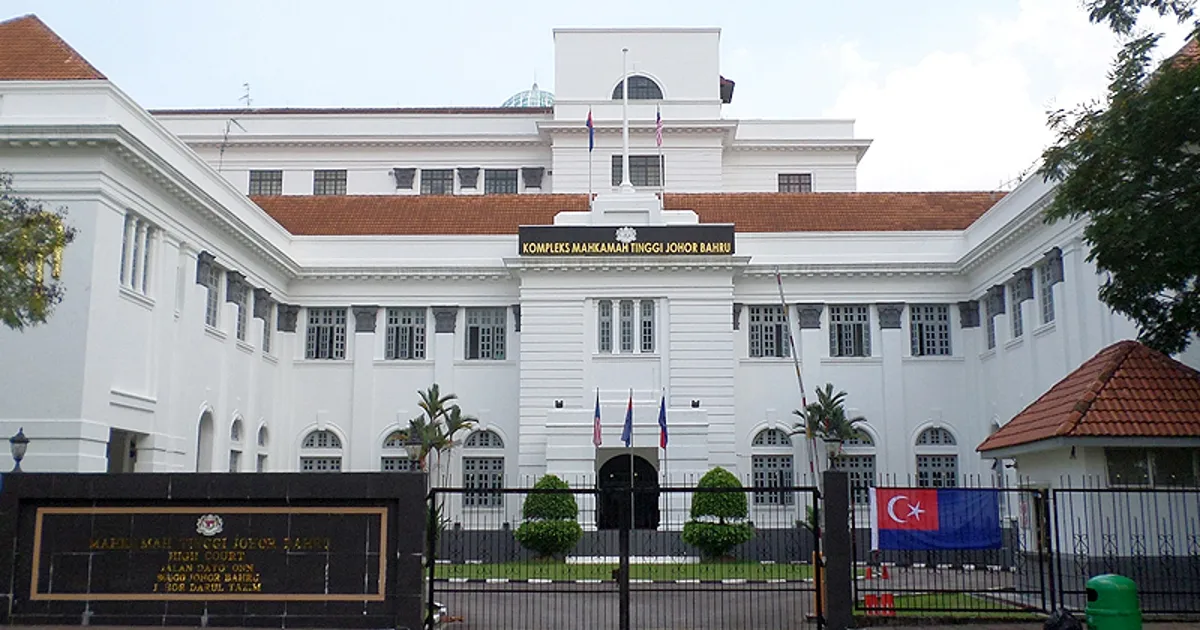
An instructor employed at a government training institute has been cleared of sexual assault allegations following a High Court judgment that harshly critiqued the quality of the police investigation. The court's decision represents a significant finding on the adequacy of investigative procedures within Malaysia's law enforcement apparatus, raising questions about training protocols and accountability mechanisms.
The judge presiding over the case delivered a scathing assessment of how police officers conducted their inquiry, concluding that the investigation departed substantially from established investigative benchmarks and best practices. This characterisation—that the police work fell "markedly short" of appropriate standards—signals serious deficiencies in how evidence was gathered, documented, and presented to support the charges.
Such judicial criticism of police methodology has become an increasingly important consideration in Malaysian courts. When senior judicial officers comment negatively on investigative standards, it typically reflects systemic concerns about training, resource allocation, or procedural oversight within law enforcement agencies. The remark suggests that fundamental investigative principles may not have been consistently applied throughout the case.
For the accused instructor, the judgment provides vindication but also raises broader questions about the personal and professional toll of facing such allegations. Employment at government institutions, particularly in training capacities where an individual works directly with trainees, places considerable weight on personal reputation and conduct. The dismissal of charges removes a significant cloud, though the experience of investigation and prosecution can have lasting effects on careers and standing within professional communities.
The involvement of a government training institute in this matter carries institutional implications. These facilities serve critical functions in developing Malaysia's workforce across various sectors, from civil service to technical fields. Questions about investigative processes affecting employees at such institutions may warrant heightened scrutiny, given the responsibility these facilities bear in maintaining professional standards and public trust.
From a broader rule-of-law perspective, the High Court's decision underscores the importance of judicial oversight in criminal proceedings. When courts identify systematic weaknesses in how cases are built by law enforcement, they provide essential feedback to the criminal justice system. This particular judgment may prompt police training institutes to review investigative protocols, particularly in sensitive matters involving allegations against individuals in professional positions.
The dismissal also illustrates the principle that accusations alone, no matter how serious, do not constitute grounds for conviction. The quality of evidence, the integrity of the investigative process, and the rigour with which facts are established form the foundation of a just outcome. A court's determination that investigative standards were inadequate essentially means the prosecution failed to construct its case through properly conducted inquiry.
For Malaysian readers and those following developments in the justice system, this case demonstrates that despite Malaysia's challenges in law enforcement, the High Court maintains capacity to assess and critically evaluate police work. Such judicial independence proves essential as a check on investigative overreach or incompetence. The court's explicit criticism serves as a public record that can inform future cases and potentially influence how police departments approach similar investigations.
The implications extend to the broader conversation about sexual assault investigations in Malaysia. These cases are typically sensitive and demand particularly careful investigative work, given their nature and the stakes for both complainants and the accused. When courts find that investigations into such serious allegations lack proper rigour, it raises questions about whether proper training exists within police units tasked with handling these matters.
Moving forward, this judgment may encourage the police force to examine its investigative procedures and ensure that officers receive adequate training in evidence collection, witness interview techniques, and documentation standards. Government agencies, including the police, often respond to clear judicial criticism by initiating internal reviews and implementing corrective measures.
The case also reinforces important principles for individuals facing accusations. A thorough legal defence, access to the courts, and judicial willingness to critically assess prosecution evidence remain vital protections within Malaysia's legal system. The High Court's willingness to identify and articulate investigative shortcomings provides important protection against wrongful conviction based on substandard police work.
As Malaysia continues developing its criminal justice system, cases like this contribute valuable precedent and public discourse about investigative standards. The judgment creates a documented instance where the High Court explicitly rejected investigative work it deemed inadequate, potentially setting benchmarks for future similar cases and encouraging more meticulous police work.

