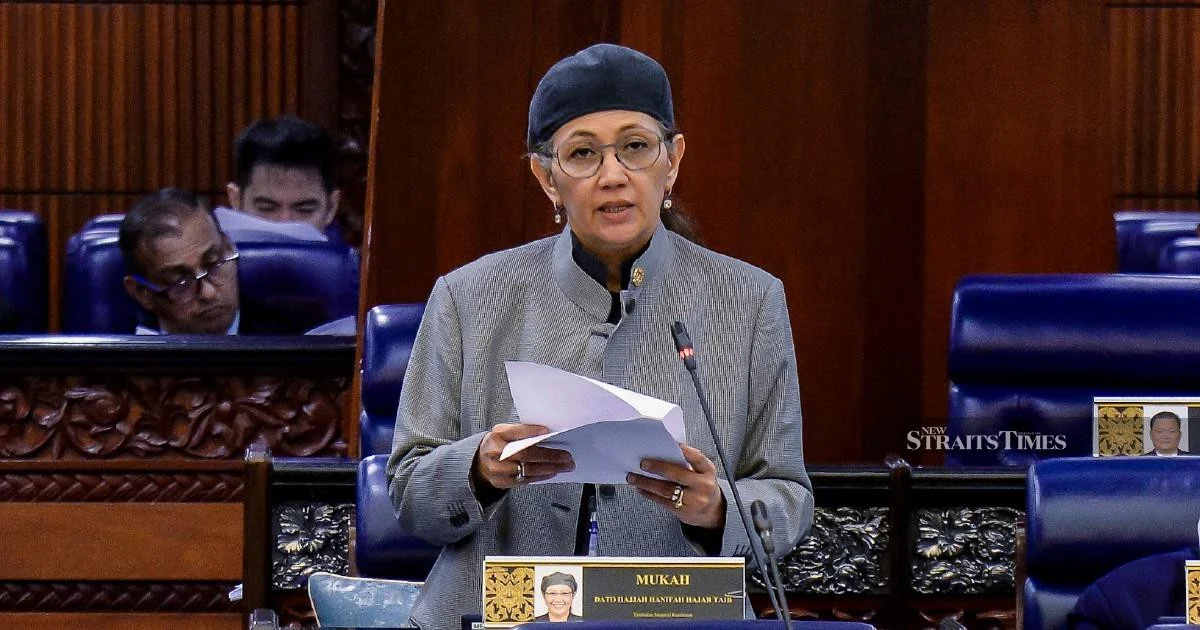
Malaysia's Health Ministry has taken formal steps to examine accusations of misconduct against medical personnel allegedly involved in handling matters related to the Taiping Prison riot that occurred in January of the previous year. The investigation, overseen by a specially constituted committee, signals the ministry's commitment to addressing potential breaches of professional conduct standards within its ranks and ensuring accountability in public health services.
The Taiping Prison incident represents a significant event in Malaysia's correctional system, drawing scrutiny not only to security protocols and prison management but also to the role of health professionals operating within custodial environments. When disturbances erupt in detention facilities, the conduct of medical and health personnel becomes particularly critical, as these individuals occupy positions of trust and responsibility in maintaining detainee welfare.
The establishment of this investigative committee reflects growing concerns about the intersection of health care delivery and correctional administration in Malaysia. Medical officers stationed in prisons face unique pressures and operational constraints that differ markedly from clinical environments. They must balance their primary obligation to provide ethical healthcare with institutional demands and security considerations, creating potential areas where professional standards could be compromised or misinterpreted.
The exact nature of the allegations against these medical officers remains subject to the ongoing investigation, but the decision to mount a formal probe suggests the matter carries sufficient gravity to warrant high-level ministerial attention. Such investigations typically examine whether health professionals adhered to established protocols, maintained appropriate documentation, responded adequately to medical emergencies, and upheld the confidentiality and dignity of those in their care.
For Malaysia's broader healthcare system, this investigation holds implications beyond the specific case. It underscores the importance of robust oversight mechanisms for medical personnel operating in settings where power imbalances are inherent and external accountability may be limited. Prison medical units operate with less public visibility than conventional hospitals, making internal controls and external scrutiny essential safeguards against misconduct.
The timing of establishing this committee, months after the January riot, suggests that initial investigations or complaints may have prompted the Health Ministry to take a deeper institutional look at what transpired. Such delays in forming formal committees are not uncommon in government inquiries, reflecting the time required for preliminary assessments and administrative processes before launching comprehensive investigations.
Regionally, Malaysia's approach demonstrates how Southeast Asian nations are increasingly grappling with accountability in custodial healthcare. Countries across the region face similar challenges in maintaining professional standards for medical staff within prisons, where resource constraints, isolation from peer review, and institutional culture can all influence conduct standards. The Malaysian case may inform best practices for peer institutions navigating comparable difficulties.
For detainees themselves, this investigation carries practical significance. Access to medical care in custodial settings often depends on whether health professionals act as independent advocates for prisoner welfare or become instruments of institutional control. Allegations of misconduct against medical officers can undermine trust in the healthcare system for vulnerable populations, with potential consequences for both individual health outcomes and broader public health objectives.
The committee's work will likely examine specific incidents occurring during or immediately following the January riot, including how medical personnel responded to injuries, whether appropriate triage and treatment protocols were followed, and whether any professional boundaries were breached. Documentation review, witness statements from staff and detainees, and comparative analysis with established medical standards will form the investigation's foundation.
This inquiry also contextualises Malaysia's evolving approach to institutional accountability. Rather than dismissing concerns or allowing matters to fade from public attention, the Health Ministry has opted for structured investigation, signalling that professional standards apply universally within the healthcare system, regardless of the operational environment. This principle strengthens public confidence in health professions and reinforces the independence healthcare workers should maintain from broader institutional pressures.
The committee's findings may result in recommendations affecting training protocols for medical officers assigned to correctional facilities, clearer guidelines differentiating healthcare duties from security functions, and enhanced oversight mechanisms. Such outcomes would extend benefits beyond the Taiping case, potentially establishing precedents for other Malaysian prisons and highlighting the importance of specialized training for medical professionals operating in custodial environments.
Stakeholders in Malaysia's justice, health, and human rights sectors will likely monitor this investigation closely. Its outcomes may influence debates about prisoner healthcare standards, medical ethics in institutional contexts, and the balance between security imperatives and healthcare obligations. For detainees, their families, and civil society organisations monitoring prison conditions, the investigation represents an opportunity for systemic issues to be identified and addressed.
The Health Ministry's decisive action in establishing this formal inquiry reflects recognition that allegations of medical misconduct warrant serious examination and transparent processes. As the investigation proceeds, it will test whether Malaysia's health administration can effectively investigate its own personnel in sensitive contexts and whether findings lead to meaningful reforms that strengthen both professional standards and detainee protection.

