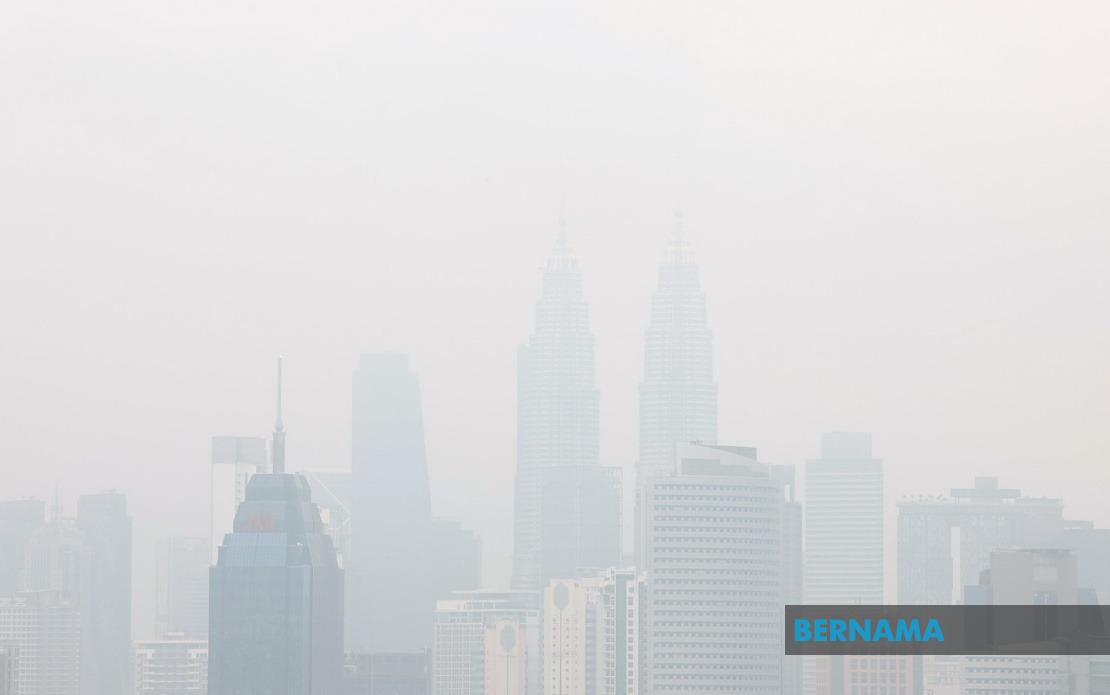
Malaysia's Youth and Sports Minister Dr Mohammed Taufiq Johari has moved to reassure the nation that deteriorating air quality will not compromise the country's athletic preparations ahead of the Aichi-Nagoya 2026 Asian Games, which runs from September 19 to October 3. Speaking in Sungai Petani on Wednesday, the minister acknowledged the worsening haze affecting the region while emphasizing that comprehensive safeguards have been implemented to keep training schedules on track without jeopardizing athlete wellbeing.
The matter gained prominence following discussions at Cabinet level, where officials reviewed the expanding haze crisis and its potential impact on national sporting ambitions. Rather than adopting a passive stance, the government has taken a proactive approach by consulting closely with the National Sports Institute, or ISN, to develop practical solutions that balance intensive training demands with health protection. This collaborative framework reflects growing recognition that Southeast Asia's recurring transboundary pollution challenges demand tailored responses from sports authorities.
At the heart of Malaysia's contingency strategy lies a fundamental restructuring of training schedules. The ministry has directed athletes to minimize outdoor workout sessions and redirect their focus toward indoor facilities, including purpose-built stadiums, gymnasiums, and climate-controlled training halls. This transition ensures that preparation intensity remains unchanged while substantially reducing exposure to hazardous particulate matter. For sprint and field events typically conducted in open-air settings, coaches and support staff are now leveraging covered training grounds and indoor venues to simulate competitive conditions.
The decision to pivot toward enclosed training environments carries significant operational implications for Malaysia's Asian Games campaign. Indoor facilities offer environmental consistency that outdoor spaces cannot guarantee, potentially providing technical advantages for athletes accustomed to controlled conditions. However, sports scientists recognize that some disciplines require open-air preparation, necessitating careful scheduling around air quality forecasts. The ministry's approach suggests a rolling evaluation framework where daily haze monitoring informs daily training adjustments, allowing flexibility without abandonment of core preparation objectives.
Dr Mohammed Taufiq's emphasis on health protection reflects growing scientific evidence documenting haze's respiratory impacts on athletes. Particulate matter penetrates deep into the lungs, impairing oxygen exchange and potentially diminishing cardiovascular efficiency during competition. By proactively limiting outdoor exposure, Malaysian authorities aim to preserve long-term athletic performance while preventing acute health incidents that could derail Games participation. This preventative stance demonstrates sophistication beyond simple operational logistics.
The timing of Malaysia's preparations proves particularly significant given regional air quality patterns. Haze typically intensifies during late August through October, precisely overlapping with the Games schedule and the pre-competition training window. The Aichi-Nagoya Games themselves may face similar atmospheric challenges, meaning athletes prepared in controlled indoor environments could actually possess competitive advantages during potentially smoky competition periods. This paradox illustrates how environmental constraints can reshape sporting preparation philosophies.
Beyond technical considerations, the minister's public assurance serves important confidence-building functions for Malaysian athletes, coaches, and sporting communities. Uncertainty about preparation adequacy can undermine psychological readiness and team morale. By articulating clear strategies and demonstrating governmental commitment to the issue, Dr Mohammed Taufiq provides stakeholders with certainty that national sporting infrastructure will adapt to environmental realities. This messaging proves crucial for athlete retention and motivation during preparation phases.
The broader context extends beyond individual nation responses. As a regional power, Malaysia's approach to haze-affected sporting preparation influences other Southeast Asian nations preparing for the same Games. Thailand, Indonesia, and Vietnam face identical atmospheric challenges and may benchmark their own contingency planning against Malaysia's strategies. The Aichi-Nagoya Games thus serve as proving ground for how sports authorities across the region manage environmental disruption to elite athletic competition.
Conversely, the haze situation exposes structural vulnerabilities in Asia's sporting infrastructure. Many countries lack sufficient indoor training facilities to accommodate large athlete cohorts during pollution events. Malaysia's relative resource abundance means the country can implement comprehensive alternatives more readily than neighboring nations. This disparity raises equity questions about whether well-resourced sporting nations gain competitive advantages during environmentally stressed preparation periods.
Dr Mohammed Taufiq's comments emerged during his participation in a Merdeka motorcycle convoy across Sungai Petani, incorporating approximately 400 participants who traveled through Sidam state constituency, Pantai Merdeka, and Bakar Arang. While ostensibly a community engagement initiative, the event provided a platform for the minister to address concerns directly affecting Malaysian sporting interests. This integration of sports policy discussion into broader community activities reflects the political salience of Asian Games preparations within domestic Malaysian discourse.
The coordination between the Youth and Sports Ministry and the National Sports Institute illustrates institutional frameworks designed to manage sporting crises. Regular consultation mechanisms enable rapid policy adjustments as atmospheric conditions fluctuate, preventing situations where isolated bureaucratic decisions derail training protocols. Such integrated governance structures prove essential for navigating environmental challenges that transcend departmental boundaries and demand real-time responsiveness.
Looking ahead, Malaysia's capacity to maintain uninterrupted athlete preparation despite environmental obstacles could translate into competitive advantages at Aichi-Nagoya. Teams arriving at the Games accustomed to indoor training may possess superior technique execution in controlled conditions, while athletes maintained at peak fitness despite preparation complications demonstrate remarkable resilience. These psychological and physiological dimensions could prove decisive in closely contested competitions where marginal improvements determine medal outcomes.

