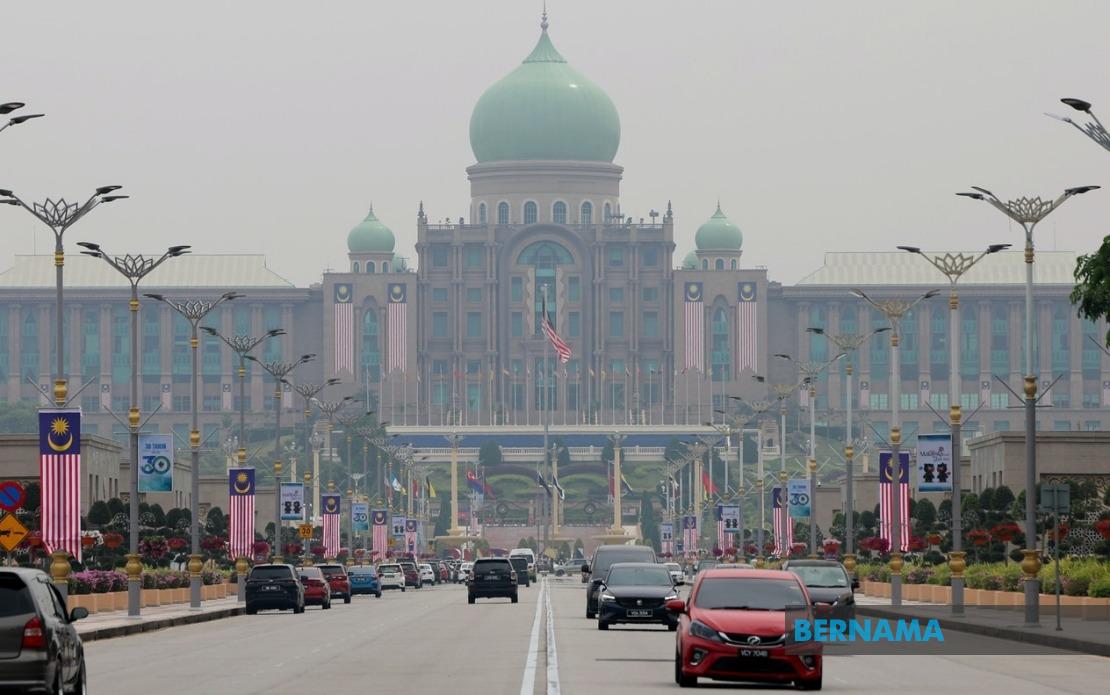
Prime Minister Datuk Seri Anwar Ibrahim is expected to prioritise the transboundary haze problem during his forthcoming visit to Brunei, where discussions with Sultan Hassanal Bolkiah will tackle the environmental emergency gripping parts of Malaysia's eastern territories. The conversation will take place alongside the 27th Malaysia-Brunei Annual Leaders' Consultation, the premier diplomatic mechanism between the two neighbouring nations, with both regional delegations bringing significant attention to air quality deterioration.
Malaysian High Commissioner to Brunei Datuk Mohd Aini Atan confirmed at a Bandar Seri Begawan briefing that environmental degradation ranks among the pressing bilateral concerns requiring top-level intervention. The timing of Anwar's two-day working mission underscores the severity of the situation, as the haze phenomenon has evolved from a seasonal inconvenience into a public health emergency affecting transportation, commerce, and community wellbeing across the region.
Sarawak bears the brunt of the current air quality crisis, with the Serian district registering the most alarming readings. According to the Malaysian Air Pollutant Index Management System portal, Serian's index reached 204 as of yesterday evening, categorised as "very unhealthy" and indicating dangerous conditions for vulnerable populations including children, the elderly, and those with respiratory ailments. This threshold signals that outdoor activities pose genuine health risks and that air purification becomes essential for indoor spaces.
The geographic concentration of hazardous conditions across Sarawak's major population centres reveals a troubling pattern. Kuching, the state capital and economic hub, registered 195, while Samarahan at 182, Sri Aman at 179, Sarikei at 158, and Sibu at 152 all fell within the "unhealthy" classification. This widespread deterioration across distinct localities suggests a systematic atmospheric problem rather than isolated incidents, likely originating from cross-border sources that diplomacy at the highest levels becomes necessary to address.
The presence of Sarawak Premier Tan Sri Abang Johari Tun Openg and Sabah Chief Minister Datuk Seri Hajiji Noor within the Malaysian delegation signals that the federal government recognises the matter demands direct engagement from state leadership. These chief executives possess intimate knowledge of local impacts and can articulate the economic and social costs of prolonged air degradation to their Bruneian counterparts. Their participation transforms the discussion from abstract bilateral cooperation into a concrete examination of how transnational environmental challenges demand coordinated regional responses.
The Annual Leaders' Consultation framework provides an institutional structure suited to addressing phenomena that transcend political boundaries. Since haze originates from various sources—including forest fires, agricultural burning, and industrial emissions across Southeast Asia—bilateral dialogue alone may prove insufficient, yet serves as a diplomatic foundation for broader multilateral initiatives. Malaysia and Brunei, as neighbouring nations sharing atmospheric systems, possess both incentive and capability to pioneer collaborative monitoring and early-warning mechanisms.
Sarawak's vulnerability to this environmental crisis reflects broader Southeast Asian susceptibility to transnational pollution events. The state's geographic position and forest-dependent economy make it particularly exposed, while the port city of Kuching's status as a major commercial and tourism centre means economic reverberations extend beyond health concerns. Airlines have historically adjusted schedules, visibility reductions complicate maritime operations, and consumers alter purchasing and movement patterns when air quality deteriorates to dangerous thresholds.
The haze phenomenon also carries implications for Malaysia's regional positioning within ASEAN and beyond. As one of Southeast Asia's more developed economies with significant environmental commitments, Malaysia's capacity to manage transboundary pollution concerns its credibility in climate and environmental diplomacy. Brunei, similarly invested in regional stability and sustainability, shares interest in demonstrating that smaller nations can exert diplomatic influence over environmental governance when issues directly affect citizen welfare.
Historically, transnational haze crises have prompted Southeast Asian nations to oscillate between urgent bilateral engagement and longer-term institutional reform. The Association of Southeast Asian Nations has attempted various mechanisms to coordinate responses, yet enforcement remains challenging. Individual bilateral consultations like the Malaysia-Brunei dialogue therefore become critical pressure points where smaller nations can articulate grievances and coordinate strategies before escalating to multilateral forums.
The inclusion of haze alongside traditional bilateral agenda items—trade, defence, cultural cooperation—reflects its elevation from environmental issue to national priority. This signals to regional audiences that air quality degradation possesses economic and security dimensions requiring the same diplomatic intensity traditionally reserved for maritime disputes or trade negotiations. For Malaysian and Bruneian citizens monitoring the consultation's outcomes, the priority accorded to haze discussions will indicate whether their governments view environmental protection as central to national interest rather than peripheral concern.
Looking ahead, the consultation may catalyse concrete joint initiatives such as enhanced air quality monitoring networks, standardised pollution reporting protocols, or collaborative research into haze source identification. Brunei's smaller geographic footprint and Brunei's relative distance from major fires means it experiences haze secondarily, yet its participation demonstrates how even less-affected nations recognise transnational pollution as a shared challenge demanding solidarity and cooperation. The outcomes of these discussions will likely shape public expectations for how Malaysia coordinates environmental diplomacy in the coming months.

