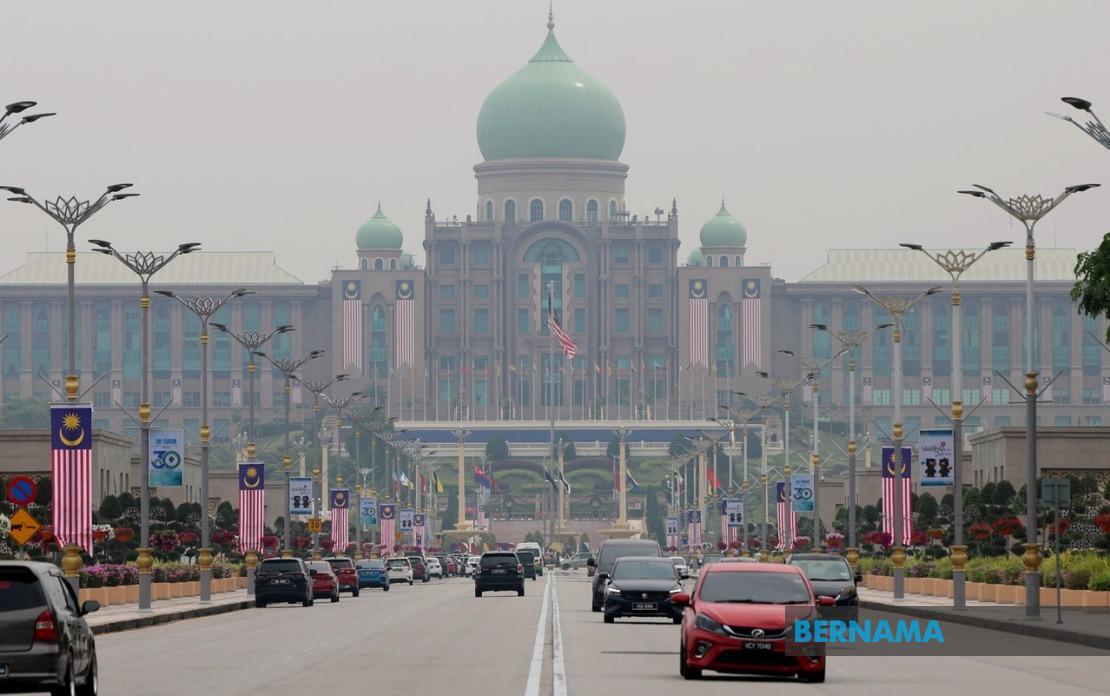
Malaysia is girding for a significant deterioration in air quality through the end of August, with the Malaysian Meteorological Department warning that thick haze will blanket several regions across both Peninsular Malaysia and East Malaysia. The deteriorating atmospheric conditions are expected to persist until August 31, coinciding with National Day celebrations, forcing government officials to consider contingency plans for public events scheduled during this critical period.
Dr Mohd Hisham Mohd Anip, director-general of MetMalaysia, explained that the forecast models reveal a troubling trend driven by the southwest monsoon season combined with an unusually active hotspot situation in southern Sumatra and western Kalimantan. These Indonesian provinces have maintained persistently high numbers of active fire sources, which are being carried across maritime borders by prevailing wind patterns. The Malaysian Community Multiscale Air Quality Model, or MyCMAQ, paints a detailed picture of how pollutants will disperse across Malaysian airspace between now and August 31.
Sarawak emerges as the most vulnerable region in the coming days, with the state's forecasts indicating widespread hazy conditions at the Unhealthy Air Quality Index level across most districts. More concerning still, the modeling suggests that particular areas within Sarawak will likely breach the Very Unhealthy threshold on August 30 and 31, presenting genuine health risks for vulnerable populations including children, the elderly, and those with respiratory conditions. This elevation to Very Unhealthy levels would represent one of the more serious air quality episodes the state typically experiences during the monsoon season.
Sabah will begin experiencing noticeable haze accumulation from this coming Saturday, though the intensity is expected to remain somewhat less severe than in Sarawak. Nevertheless, residents across the state are being urged to monitor air quality updates regularly and take appropriate precautions. The situation will likely persist through the month's end, requiring sustained public vigilance and adherence to health advisories.
On the peninsula, several economically important and densely populated regions face degraded air quality through August 31. Johor, Melaka, Negeri Sembilan, Selangor, Kuala Lumpur and Putrajaya all feature prominently in the haze forecast, representing a concentration of Malaysia's population and commercial centres. The federal capital and administrative hub of Putrajaya holds particular significance given its role as the seat of government and its position as host to the National Day celebration. These peninsular areas will experience elevated haze concentrations rather than reaching the most severe Very Unhealthy classifications, though public health officials are maintaining heightened alert levels.
The timing of this meteorological crisis creates practical complications for the Malaysian government. Communications Minister Datuk Seri Fahmi Fadzil acknowledged that authorities are actively deliberating whether to modify or relocate the National Day celebration scheduled for August 31 in light of the anticipated haze conditions. This represents a significant logistical challenge, as National Day festivities typically feature outdoor processions, ceremonies and gatherings involving hundreds of thousands of participants. Poor air quality could pose health risks to attendees while also undermining the visual and symbolic impact of the celebrations.
Prime Minister Datuk Seri Anwar Ibrahim has appealed to Malaysians to remain hopeful and to pray for atmospheric improvement, particularly given the compressed timeline before both the National Day celebration on August 31 and Malaysia Day on September 16. His remarks underscore the government's recognition that two major national observances fall within this vulnerable period. The Prime Minister noted that preparations across the government machinery are progressing actively for both events, suggesting that contingency planning is underway even as officials hope the haze situation stabilises or improves.
MetMalaysia has committed to continuously monitoring atmospheric developments and updating its forecasts in real time as new meteorological data becomes available. The department's monitoring systems will track shifts in wind patterns, changes in regional fire activity, and alterations to atmospheric stratification that could influence how pollutants disperse and concentrate. This dynamic approach recognises that monsoon-season haze forecasts can shift substantially based on meteorological changes occurring over relatively short timeframes.
The persistence of Indonesian transboundary haze represents a recurring challenge for Malaysia, particularly during the southwest monsoon season which typically runs from May through September. Cross-border fire management remains a complex diplomatic and environmental issue, as the root sources of haze originate in Indonesian territories where fire management capacity and enforcement vary across provinces. The current episode reflects broader seasonal vulnerability patterns that have accumulated in Malaysian planning and policy discussions over multiple decades.
For Malaysian residents, the forecast emphasises the importance of monitoring official Air Quality Index updates and adopting protective measures as conditions warrant. Individuals in affected regions, particularly those in high-risk health categories, should prepare respiratory protection equipment and be prepared to reduce outdoor activities during peak pollution episodes. Schools and public institutions may need to adjust outdoor activities or event schedules based on real-time air quality developments.
The convergence of monsoon winds, transboundary fire sources and the imminent national celebrations highlights how environmental and political timelines intersect in Malaysia's context. The government's willingness to consider modifying one of the nation's major symbolic events demonstrates the seriousness with which authorities are treating the haze forecast. Whether meteorological conditions improve sufficiently to permit normal celebrations or whether modified arrangements ultimately prove necessary will become clearer as August progresses and real-time conditions develop.

