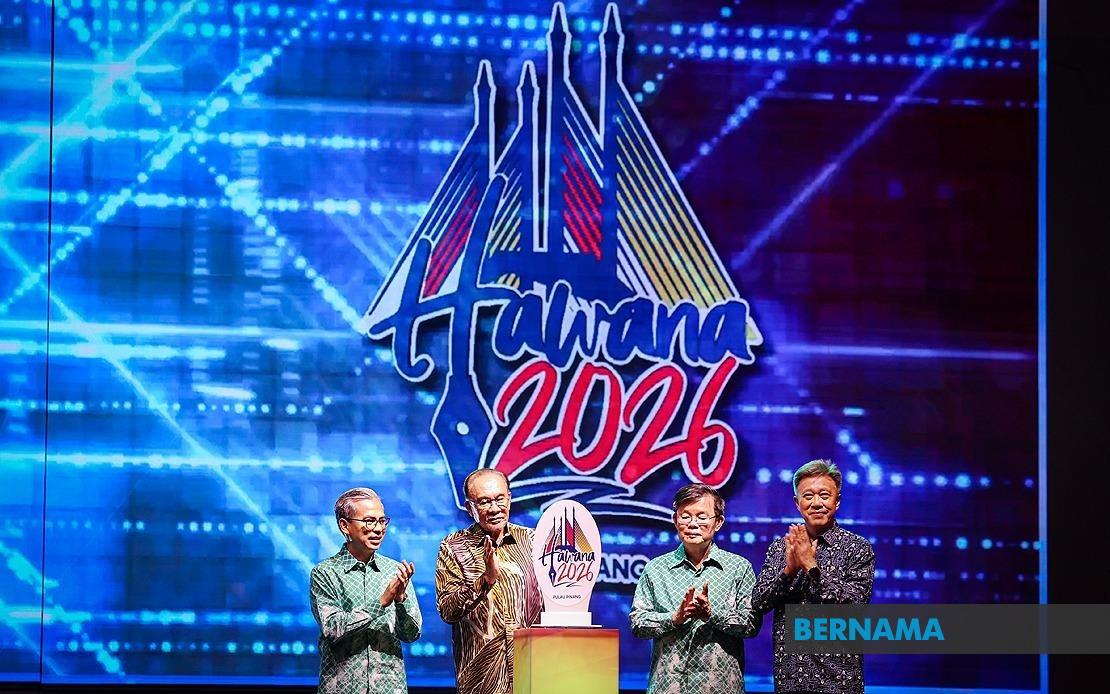
The three-day National Journalists' Day celebration, known as HAWANA 2026, drew to a close at the PICCA@Arena Butterworth Convention Centre in Penang on Sunday, capping off a significant gathering that underscored the nation's ongoing commitment to press freedom and journalist welfare. The event, held under the banner 'Media Integrity Strengthens Credibility', attracted nearly 1,000 media professionals from Malaysia and neighbouring ASEAN countries including Indonesia, Cambodia and Timor-Leste, creating a regional platform for dialogue on journalistic standards and cooperative media development.
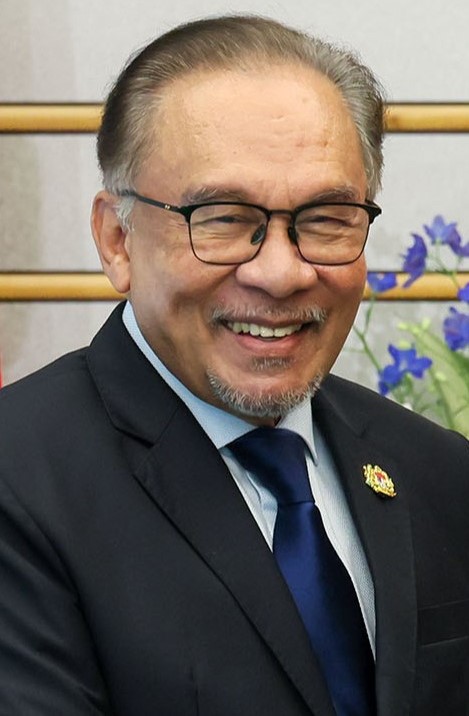
Prime Minister Datuk Seri Anwar Ibrahim officiated the main ceremony on Saturday, using the occasion to announce concrete measures aimed at supporting the media profession. He pledged an additional RM1 million for the Tabung Kasih@HAWANA welfare fund, signalling the government's recognition that financial hardship remains a persistent challenge for journalists across the country. The allocation builds on an already-growing pool of assistance; since its inception in 2023, the fund has disbursed RM2.26 million to help 773 media practitioners nationwide navigate personal crises and professional difficulties.
Beyond welfare support, Anwar reaffirmed the government's backing for the Media Innovation Fund, a initiative designed to accelerate digital transformation among local news organisations. This commitment reflects broader anxieties about the sustainability of traditional media business models in Southeast Asia, where advertising revenues have migrated online and newsroom resources have contracted. By investing in technology and digital capability-building, Malaysia is positioning itself alongside regional leaders in ensuring that journalistic institutions remain viable and competitive in an increasingly digital information landscape.
Communications Minister Datuk Fahmi Fadzil announced that Telekom Malaysia has joined the Tabung Kasih@HAWANA partnership with a RM500,000 contribution, expanding corporate engagement with the welfare scheme. This corporate involvement signals growing recognition within Malaysia's business community that a healthy media ecosystem benefits the broader economy and society. The telecommunications giant's participation may also encourage other major corporations to consider similar philanthropic commitments, potentially transforming the welfare fund into a more sustainable, multi-stakeholder model.
The ceremony featured emotional recognition of journalism's human cost. Datuk Suhaimi Sulaiman, former Broadcasting director-general, received the HAWANA Award for his distinguished career, while a Special HAWANA Award went posthumously to Azlan Idris, former head of Bernama Radio, who died in January at age 57. The presentation of Azlan's award to his widow, Wan Syahrina Wan Abdul Rahman, provided a poignant reminder that journalism careers span decades of dedicated service, often with personal sacrifice. Azlan's contributions to Bernama Radio since its launch in 2007, plus his earlier work at TV3, NTV7 and Channel 9, exemplified the kind of long-term institutional commitment increasingly rare in modern media.
Regional media cooperation advanced meaningfully during HAWANA 2026, with Bernama signing a memorandum of understanding with Timor-Leste's national news agency, Agência Noticiosa de Timor-Leste (TATOLI). The formalisation of this agreement, witnessed by both communications ministers, strengthens ASEAN media networks and creates pathways for news exchange, journalist training and professional development across the subregion. Such partnerships are particularly significant given the geopolitical importance of Southeast Asia and the need for reliable, locally-grounded news coverage amid regional competition for media influence.
Beyond formal proceedings, HAWANA 2026 functioned as a major cultural and economic event for Penang. The three-day RIUH Pi HAWANA Carnival featured performances by popular Malaysian acts including Bunkface, Exists and others, alongside 24 creative brands and 20 food vendors. The carnival format democratised the celebration, extending it beyond industry elites to engage general audiences and position journalism as culturally significant. The event also showcased Penang's infrastructure and event-management capabilities, delivering tourism and hospitality sector benefits while demonstrating the state's readiness to host major national gatherings.
Penang Governor Tun Ramli Ngah Talib hosted a separate dinner on June 21 honouring nearly 350 media professionals from across Malaysia and ASEAN, recognising the sector's contribution to nation-building. This state-level recognition reflects understanding that media integrity directly supports democratic governance and social stability. The gathering also provided informal networking opportunities for journalists and editors to build relationships across geographical and organisational boundaries, potentially strengthening professional solidarity within Malaysia's fragmented media landscape.
The professional programme incorporated several substantive forums. The Malaysia Media Retreat 2.0, organised by the Malaysian Federation of Media Clubs, the Malaysian Press Institute's town hall discussion titled '2035: Will Journalists Still Exist?', and dialogue sessions with the Communications Minister all addressed industry challenges directly. These conversations signal awareness that Malaysian media faces structural questions about viability, technological disruption and the future role of professional journalism in an age of digital platforms and citizen content. Such forums create space for honest assessment rather than defensive complacency.
Bernama's organisation of HAWANA 2026 demonstrated the national news agency's operational capabilities and editorial reach. The event included the first live television broadcast in HAWANA's history, showcasing technical proficiency and institutional confidence. This media-management accomplishment matters because it signals that Malaysia's public information infrastructure has the sophistication to execute complex, multi-stakeholder events while maintaining broadcast quality and editorial standards.
The celebration also affirmed media integrity as a governance priority at national and state levels. By linking welfare support, digital innovation funding, regional cooperation, and professional recognition within a single event framework, the government positioned journalism not as a commercial enterprise subject purely to market forces, but as a public good requiring sustained institutional support. This framing is consequential for Malaysian debates about press freedom and media regulation, suggesting an official narrative that values independent journalism as socially necessary rather than merely tolerated.
HAWANA 2026's success reflects months of preparation, including preliminary forums held in May, strategic partner meetings in early June and a fun walk on June 14. This extended lead-up created visibility and stakeholder engagement beyond the main event, potentially deepening professional relationships and heightening public awareness of journalism's value. For regional media practitioners, the gathering offered reassurance that despite commercial pressures and technological disruption, institutional commitment to journalistic standards and professional development persists across Southeast Asia.