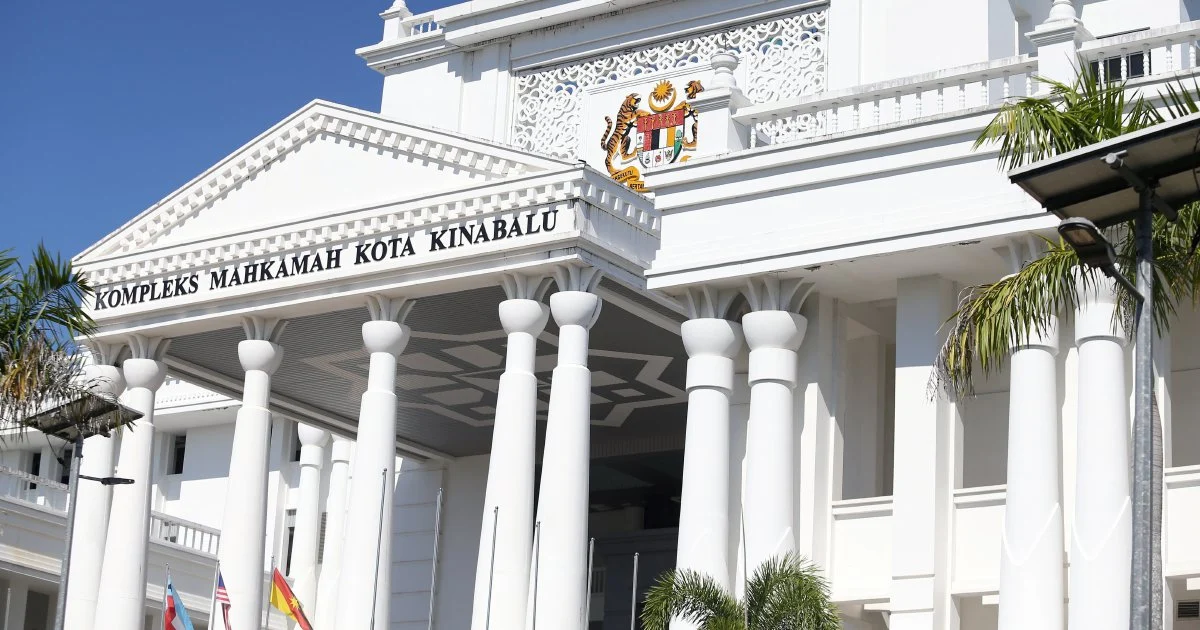
A handwriting expert provided testimony before the Coroner's Court in Kota Kinabalu today, reaffirming her professional analysis that the journals belonging to the late Zara Qairina Mahathir contained entries that were not authored in her handwriting. The expert's findings suggest potential manipulation of the personal documents, a conclusion she maintained despite scrutiny during the proceedings.
The testimony forms part of the ongoing legal examination into circumstances surrounding Zara Qairina Mahathir's death, with the Coroner's Court continuing to hear evidence from various witnesses and specialists. The handwriting analysis represents a forensic component of the broader investigation, examining physical evidence that may shed light on the case's factual record.
Zara Qairina Mahathir, daughter of former Prime Minister Mahathir Mohamad, died in August 2024 at the age of 53. Her death triggered widespread public interest given her family's prominence in Malaysian politics and society. The official cause and circumstances surrounding her death have drawn significant scrutiny, prompting the Coroner's Court to establish a formal inquiry into the matter.
Handwriting analysis, while not conclusive proof of authorship, serves as an important forensic tool in legal investigations. Experts in this field examine factors including stroke patterns, pressure variations, letter formation consistency, and spacing characteristics to determine whether documents were created by the same individual. The expert's finding that multiple hands may have contributed to Zara Qairina Mahathir's journals raises questions about the reliability of these records as evidence.
The implications of such findings extend beyond the immediate investigation. If portions of the journals were indeed written by someone other than Zara Qairina Mahathir, this could affect how investigators and courts interpret statements or information contained within those documents. The authenticity of personal records often carries significant weight in legal proceedings, particularly when establishing facts about an individual's mental state, relationships, or circumstances.
Court proceedings in high-profile cases involving prominent families often attract considerable public and media attention in Malaysia. The Coroner's Court inquiry into Zara Qairina Mahathir's death reflects both the legal requirement for thorough investigation and the public's legitimate interest in understanding what occurred. The testimony from forensic specialists contributes to building a comprehensive factual record.
The handwriting expert's willingness to reaffirm her findings suggests confidence in her methodology and analysis, despite any counterarguments that may have been presented during cross-examination. Forensic experts are typically trained to stand by their professional conclusions when they believe their analysis is sound, though they may acknowledge limitations or uncertainties in their methodology where appropriate.
The Coroner's Court process in Malaysia is designed to investigate sudden or unexplained deaths, determine the cause of death, and in some cases, make recommendations aimed at preventing similar occurrences. The court hears evidence from medical professionals, forensic experts, witnesses, and others with relevant knowledge. This systematic approach aims to establish facts and circumstances with rigor and transparency.
For Malaysian legal observers, the case demonstrates how contemporary forensic techniques are employed within the Malaysian court system to examine complex evidence. Handwriting analysis, alongside other forensic disciplines, contributes to the body of expertise available to courts attempting to establish factual truth in matters of public significance.
The investigation's continued progression through the Coroner's Court indicates that authorities are pursuing a comprehensive examination of the available evidence. Multiple expert testimonies and witness statements are being collected to construct a detailed understanding of the events and circumstances involved in this case.
The case also illustrates broader questions about the reliability and interpretation of personal documents in legal contexts. While journals and personal writings may contain valuable information, questions about their authenticity or complete authorship can complicate their evidentiary value. Courts must carefully weigh such documents against other forms of evidence.
As the Coroner's Court continues its proceedings, additional testimony from medical, forensic, and potentially other expert witnesses is expected. The court's ultimate findings will provide the definitive record regarding the cause and circumstances of Zara Qairina Mahathir's death, offering closure to family members and the interested public following months of investigation.