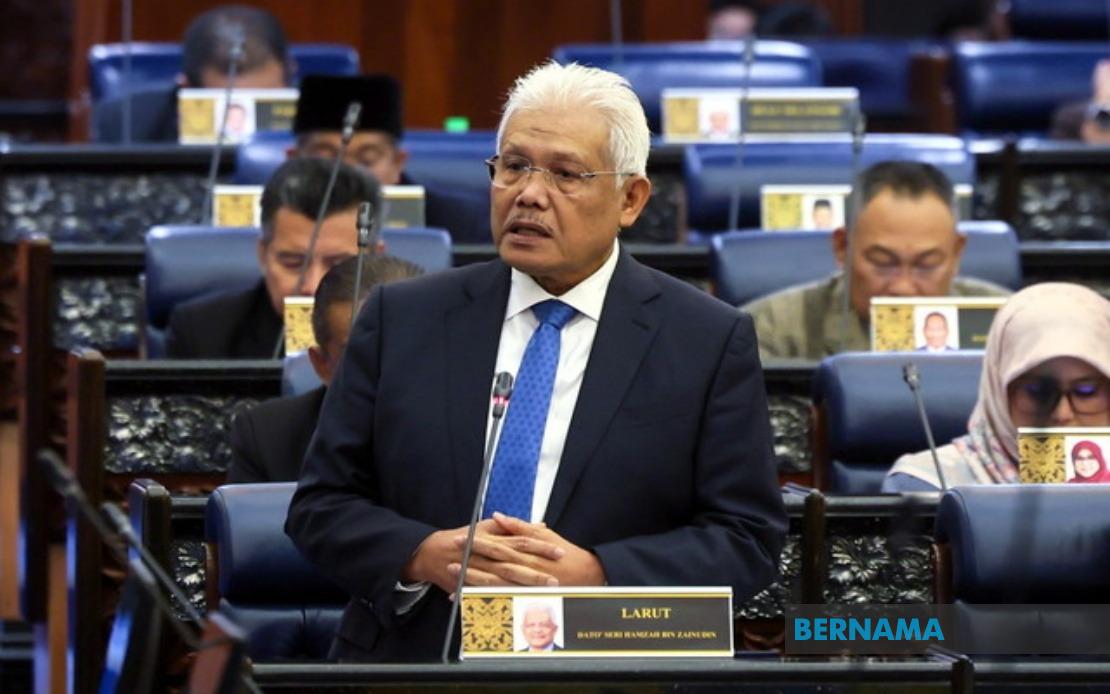
Dewan Rakyat Speaker Tan Sri Johari Abdul has formally confirmed that Larut MP Datuk Seri Hamzah Zainudin has resumed his position as Opposition Leader, effective June 18. The announcement, made during the opening remarks of Oral Question Time, marks the conclusion of a transitional leadership period that lasted several weeks and underscores the fluid nature of opposition dynamics in the current parliamentary composition.
The sequence of leadership changes reflects evolving circumstances within the opposition bloc since late May. According to the Speaker's statement, Hamzah held the Opposition Leader position initially from May 20 before stepping aside for a temporary handover. This initial tenure preceded the interim appointment of Kemaman MP Datuk Seri Dr Ahmad Samsuri Mokhtar, who served in the role between May 21 and June 10. The relatively short duration of the interim arrangement suggests that the circumstances necessitating the change were either temporary in nature or resolved within the ten-day window.
The return of Hamzah to the Opposition Leader position carries significance for the opposition coalition's operational structure and parliamentary strategy. The Opposition Leader role carries substantial responsibilities under parliamentary protocol, including the coordination of opposition business, the articulation of alternative policy positions, and the representation of opposition interests across various parliamentary committees and functions. Hamzah's reinstatement indicates that conditions have stabilised sufficiently to warrant his resumption of these duties.
Speaker Johari formally acknowledged the interim service of Ahmad Samsuri, extending appreciation for his contribution during the transitional period. This diplomatic gesture reflects parliamentary protocol and recognises the temporary sacrifice of personal scheduling and other commitments that comes with holding senior parliamentary positions. The acknowledgment also demonstrates the Speaker's even-handed approach to managing the various political formations represented in the chamber, an important element of maintaining institutional credibility.
Simultaneously, the Speaker announced significant developments regarding parliamentary representation in two constituencies. Casual vacancies have arisen in both the Pandan and Setiawangsa parliamentary seats following the submission of relinquishment letters by their respective members. Datuk Seri Rafizi Ramli, who held the Pandan seat, and Nik Nazmi Nik Ahmad, representing Setiawangsa, both formally surrendered their memberships as Members of Parliament on May 18. These resignations, submitted well before the Opposition Leader announcement, suggest they were part of a broader political reshuffling affecting the opposition coalition.
The vacancies in these two seats represent the loss of two relatively senior opposition figures with substantial parliamentary experience. Rafizi, in particular, has maintained a prominent profile within the opposition movement, while Nik Nazmi similarly held positions of some influence. The simultaneous departure of both members from their parliamentary seats may reflect broader strategic recalibrations within the opposition, though the specific reasons for their relinquishment were not disclosed in the Speaker's statement.
Speaker Johari proceeded with the formal procedural requirements mandated by the Federal Constitution, notifying the Election Commission of the vacancies in accordance with Article 54(1). This notification triggers the constitutional timeline for holding by-elections in the affected constituencies, a process that typically requires several months from notification to polling day. The Election Commission will now manage the administrative and logistical preparations necessary to return Members of Parliament to these two seats.
The by-election calendar will now include contests in Pandan and Setiawangsa, both constituencies with distinct electoral characteristics and political histories. Pandan, located in the Klang Valley region, has traditionally been a competitive seat with mixed support patterns across various electoral cycles. Setiawangsa, situated in the Kuala Lumpur federal territory, represents an urban constituency with its own unique demographic and political composition. Both contests will provide significant indicators of voter sentiment and could influence the broader parliamentary balance.
These developments occur within the context of Malaysia's current parliamentary configuration, where opposition cohesion and coordination remain essential given the competitive nature of the legislative environment. The reinstatement of Hamzah as Opposition Leader suggests that the opposition coalition has achieved sufficient stability to present a unified face in parliamentary proceedings and media engagement. The role of Opposition Leader is particularly crucial for coordinating responses to government policy proposals and maintaining coherent messaging across multiple opposition parties and independent members.
The timing of these announcements, made during the June 22 sitting of the Dewan Rakyat, signals the parliament's continued engagement with constitutional procedures and parliamentary administration despite the underlying political dynamics. Speaker Johari's adherence to proper standing orders and procedural requirements demonstrates the institutional framework through which Malaysian parliamentary politics operates, independent of the temporary alignments and realignments among political formations.
Looking forward, the by-elections in Pandan and Setiawangsa will command significant political attention from both government and opposition camps. The outcomes in these contests may provide useful indicators regarding shifts in voter preference and could influence calculations about parliamentary mathematics and coalition stability. Meanwhile, Hamzah's continued stewardship of the Opposition Leader role will require careful management of the various factions and interests within the opposition coalition, a responsibility that comes with considerable parliamentary and political visibility in contemporary Malaysian politics.