Sabah Chief Minister Datuk Seri Hajiji Noor led a high-level delegation from Gabungan Rakyat Sabah (GRS) to the 2026 PKR National Congress in Melaka on August 15, an appearance that underscores the collaborative relationship between the Sabah state administration and Prime Minister Datuk Seri Anwar Ibrahim's federal government. The attendance of the GRS chairman and multiple cabinet ministers represents a deliberate signal of unity on matters of mutual concern, transcending the formal political alignments that typically define Malaysian governance.
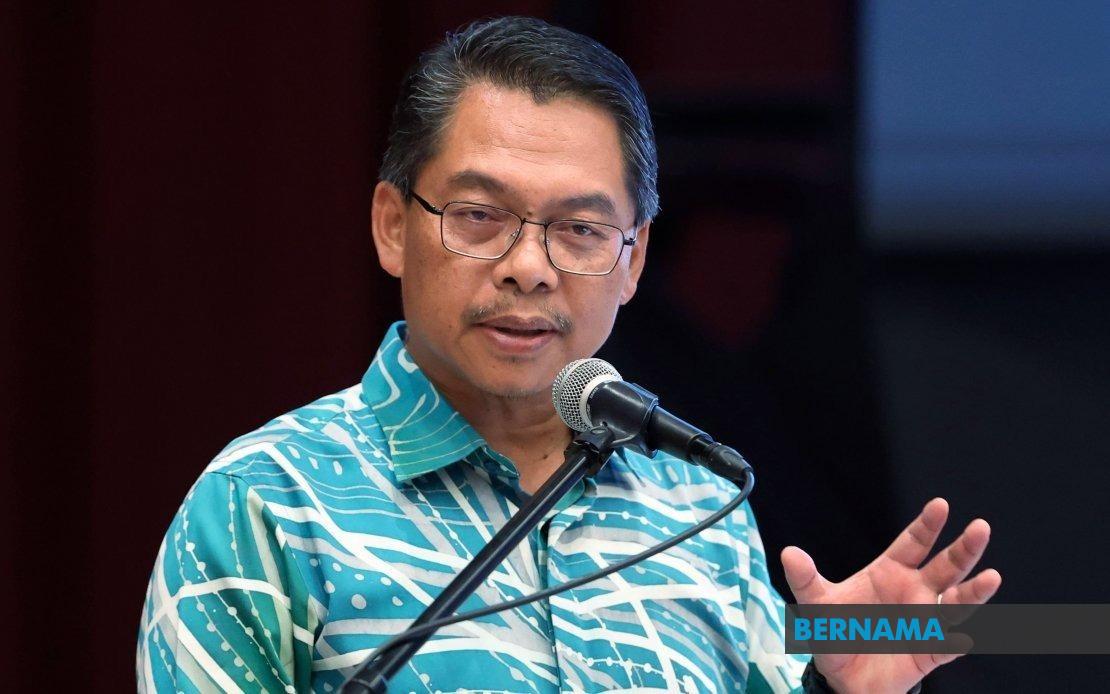
Datak Mustapha Sakmud, chairman of Sabah's PKR Leadership Council and Minister in the Prime Minister's Department overseeing Sabah and Sarawak Affairs, interpreted the delegation's presence as reflecting deep institutional cooperation between the two levels of government. Speaking in a statement, Mustapha emphasised that this partnership extends well beyond ceremonial political gestures, encompassing substantive collaboration across diverse policy domains that directly affect Sabahans' daily lives and long-term prospects.
The substantive focus of this cooperation centres on translating political stability into tangible economic and social outcomes for Sabah's residents. Mustapha identified key priorities including job creation, infrastructure development, improved access to essential services, and resolution of pressing community challenges. This framing suggests that both administrations view their partnership as instrumental to addressing the developmental disparities that have historically characterised Sabah's position within Malaysia's federal framework.
Under the MADANI government's mandate, Mustapha articulated a commitment to implementing national development policies with sensitivity to regional variations and local circumstances. This approach acknowledges that Sabah's geography, demographics, and economic structure differ substantially from peninsular Malaysia, requiring customised solutions rather than one-size-fits-all federal policies. The emphasis on inclusive and equitable development signals recognition that Sabah's integration into national prosperity requires deliberate attention to its particular constraints and opportunities.
A central theme in Mustapha's statement concerns the Malaysia Agreement 1963 (MA63), the foundational constitutional document governing Sabah and Sarawak's position within the Malaysian federation. PKR's reiterated commitment to championing the implementation of MA63 within a framework that respects Sabah's constitutional status and special rights addresses longstanding grievances within the state regarding the adequacy of federal recognition of these provisions. This commitment carries particular weight given PKR's role within the federal government, potentially translating political promises into policy action.
The delegation's composition reflected the seniority of participants, including Deputy Chief Minister Datuk Seri Dr Joachim Gunsalam, multiple state ministers overseeing portfolios ranging from rural development to youth and creative economy, and GRS deputy leadership. This breadth of representation suggests that the Congress attendance was not a perfunctory gesture but rather reflected coordinated decision-making across Sabah's administrative hierarchy to publicly demonstrate alignment with federal government priorities.
According to Mustapha, the GRS leaders' participation conveyed a message that political differentiation should not obstruct constructive dialogue when Sabah's collective interests are at stake. This framing acknowledges the reality that Sabah's political ecosystem encompasses diverse coalition partners with varying relationships to federal leadership, yet suggests that pragmatic cooperation remains achievable when focused on developmental objectives rather than partisan competition.
The Congress itself, themed 'Memugar Reformasi, Membina MADANI,' was officiated by Anwar Ibrahim in his dual capacity as Prime Minister and PKR party president. The theme invokes both PKR's reformist origins and the current government's MADANI development framework, suggesting continuity between the party's historical positioning and its current governing agenda. For Sabah observers, Anwar's leadership of both government and party creates a potentially significant convergence point where state-level cooperation with PKR can translate into federal policy attention.
The strategic importance of Sabah in Malaysia's political economy extends beyond state boundaries. The state's control of substantial maritime resources, its geographic significance for regional stability, and its demographic composition make it valuable to any federal administration. Anwar's government, seeking to consolidate support across Malaysia's diverse regions, has prioritised demonstrating tangible benefits flowing to peripheral states through federal partnership. Hajiji's attendance and the GRS delegation's prominent positioning at a major national political event reinforces this commitment in visible, public terms.
Historically, federal-state relations in Malaysia have been characterised by cycles of cooperation and tension, particularly in states governed by administrations outside the federal ruling coalition. Sabah's experience has included periods of marginalisation and neglect alternating with intense federal courting during electoral cycles. The sustained visibility of Sabah representatives at major federal party events, combined with ministerial positions within the Prime Minister's portfolio, suggests a more institutionalised framework for ongoing engagement rather than transactional political exchange.
For Malaysian policymakers and observers, this Congress attendance illustrates how federal systems navigate internal diversity. By creating space for non-coalition partners to participate in major party gatherings and positioning their presence as valuable, the federal government signals inclusivity while maintaining its governing prerogatives. Sabah's willingness to engage on these terms reflects recognition that cooperation on development and rights-based issues serves state interests more effectively than oppositional positioning.
Looking forward, the practical consequences of this demonstrated cooperation will emerge through implementation of specific commitments regarding MA63, resource allocation, and policy attention to Sabah-specific development challenges. Political gestures require substantiation through budgetary allocations, legislative action, and administrative priority-setting. The extent to which August 15's Congress attendance translates into measurable improvements in Sabah's economic indicators, infrastructure quality, and federal responsiveness to state-identified priorities will ultimately determine whether this partnership constitutes meaningful cooperation or performative unity.

