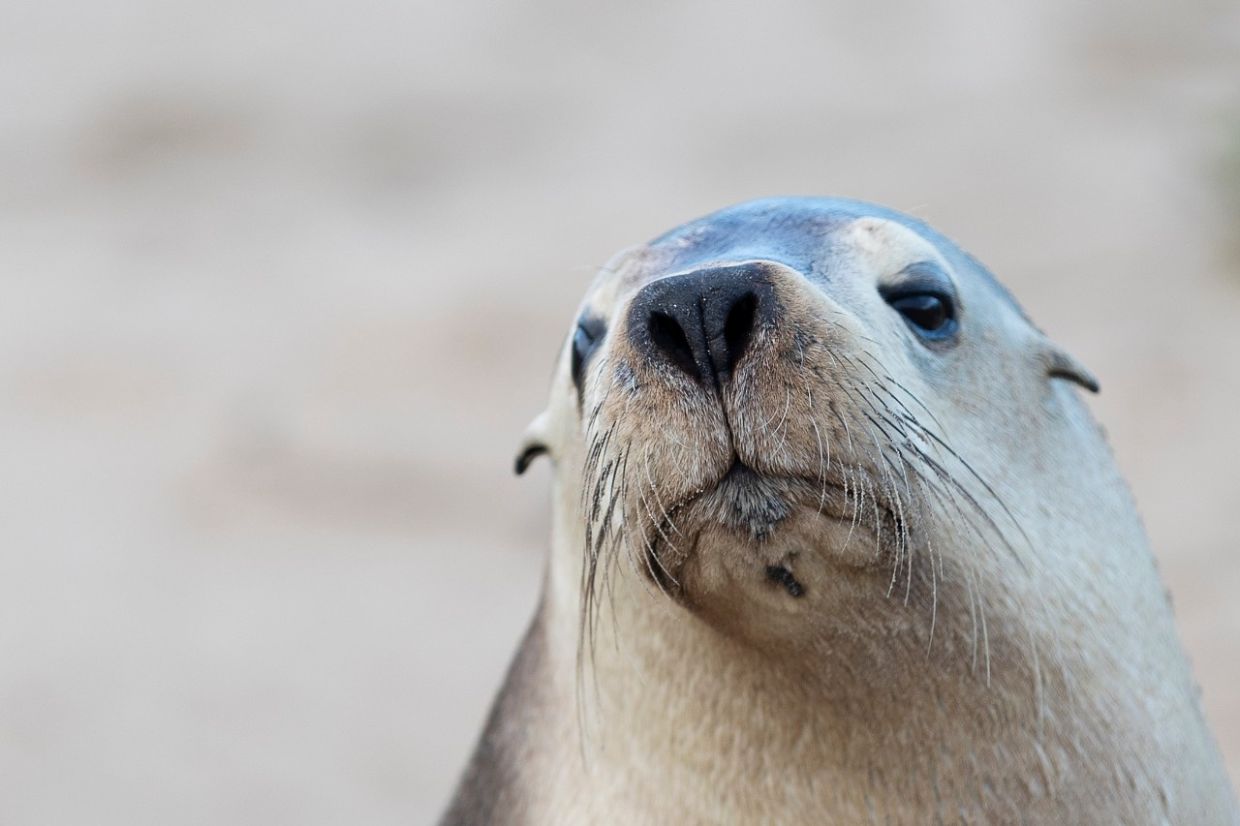
An alarming surge in highly pathogenic H5N1 avian influenza cases across South Australia has triggered fresh concerns about the survival prospects of one of the world's most vulnerable marine mammal populations. The Australian sea lions inhabiting Seal Bay on the state's south coast face an imminent threat from the disease, which has already demonstrated its capacity for devastating wildlife mortality in other regions. With detection of the virus in seabirds near critical sea lion habitats, specialists warn that transmission to these endangered creatures appears unavoidable.
South Australian health authorities have documented a sharp acceleration in suspected cases, with 21 instances of the highly pathogenic strain now reported across the state. When combined with 19 confirmed infections, the total reaches 40 cases, representing a concerning trajectory for disease containment efforts. The breakthrough detection of the strain in a seagull along the state's south-east coastline marks a critical development, as wild birds have become the primary vector for spreading the pathogen across Australian territories. This expansion comes just weeks after the virus first appeared on mainland Australia in June, demonstrating the rapid geographic dissemination characteristic of highly mobile avian populations.
The temporal clustering of cases warrants particular alarm. Since Monday of last week, 33 of the 40 confirmed or suspected infections have emerged, suggesting exponential growth rather than sporadic occurrence. Four of these recent cases originated on Kangaroo Island, the offshore sanctuary positioned off South Australia's southern coast. Of these island detections, one surfaced at Seal Bay itself, a UNESCO-listed marine reserve that harbours approximately five per cent of the entire global population of Australian sea lions. This intersection of outbreak location and endangered species habitat represents precisely the scenario conservation specialists have long feared.
Wayne Boardman, a wildlife veterinarian at the University of Adelaide, articulated the existential risk confronting these animals during an interview with the Australian Broadcasting Corporation. Drawing on historical precedents from the Southern Hemisphere, Boardman explained that marine mammals including sea lions and fur seals demonstrate exceptional vulnerability to H5N1 infection. The trajectory is virtually predetermined once the virus establishes itself in bird populations cohabiting marine ecosystems. His assessment carries considerable weight given the recent precedents for catastrophic mortality in related species, particularly in South America where similar outbreaks have produced staggering casualty figures among pinnipeds and marine fauna.
The precedents Boardman referenced underscore the stakes involved in this unfolding crisis. In 2022, H5N1 infection devastated sea lion populations across South America, resulting in the deaths of approximately 30,000 animals within a six-month window. More recent evidence emerged from Heard Island in the Southern Ocean, where the virus claimed an estimated 13,359 southern elephant seal pups between August 2025 and January 2026. These mortality events occurred despite the geographic isolation of such locations, demonstrating that even remote populations offer limited insulation against the pathogen's spread. The Australian sea lions at Seal Bay possess no evolutionary adaptation to H5N1, rendering them profoundly susceptible to severe disease and death following exposure.
Australian sea lions already occupy a precarious conservation status independent of disease considerations. The species has recovered from near-extinction but remains dependent on small breeding populations concentrated in limited geographic areas. The Seal Bay colony comprises one of several critical populations essential to the species' overall survival. Population modelling suggests that the loss of significant numbers from this location could trigger cascading demographic consequences, potentially accelerating extinction risk for the entire subspecies. The confluence of pandemic disease threat with already-constrained population dynamics represents a compounding jeopardy that conservation authorities cannot easily mitigate.
Government officials have responded with interim protective measures, though their efficacy remains uncertain. South Australian authorities announced the temporary suspension of beach tours at Seal Bay, an action designed to minimise human-mediated disease transmission pathways and reduce stress on marine mammals during heightened vulnerability. Minister for Agriculture, Fisheries and Forestry Julie Collins indicated that authorities would maintain engagement with scientific experts to constrain viral spread, though practical containment options for wild populations remain extremely limited. Epidemiological modelling of H5N1 in marine environments offers little optimism regarding human capacity to prevent disease establishment once infected bird populations occupy coastal habitats.
Collins emphasised that current evidence indicates no incursion of H5N1 into Australia's agricultural or commercial poultry sectors, a development that would generate secondary concerns regarding food security and biosecurity infrastructure. The government spokesperson also reiterated that the assessed risk to human health from current outbreak dynamics remains low, reflecting the epidemiological reality that human-to-human transmission of H5N1 remains exceedingly rare despite ongoing circulation in animal populations. Nevertheless, the distinction between human health risk and wildlife conservation crisis remains crucial; the pathogen poses existential threats to certain animal populations even as it maintains limited pandemic potential for human populations.
Beyond South Australia, the broader national picture reveals ongoing viral circulation. As of 31 July, confirmed cases across remaining Australian states and territories totalled 14 infections, indicating that H5N1 has successfully established multiple geographic footholds across the continent. The June detection on mainland Australia preceded the subsequent diversification and localisation observed in subsequent weeks. This geographic expansion pattern suggests the virus has achieved persistence in wild bird populations, rendering the prospect of complete eradication through conventional public health measures increasingly implausible.
For Malaysian observers, this Australian outbreak carries instructive implications regarding infectious disease dynamics in the Southeast Asian region. Australia's relatively advanced surveillance infrastructure and rapid case identification systems nonetheless struggled to contain the virus's spread, a sobering reminder that early detection alone provides insufficient protection against determined pathogens. Malaysia's diverse avian populations and extensive migratory bird corridors connecting to Australian ecosystems create theoretical pathways for similar incursions. The Australian experience underscores the necessity of sustained investment in wildlife disease surveillance capacity, collaborative regional monitoring frameworks, and contingency planning for scenarios involving high-consequence zoonotic pathogens affecting economically or ecologically significant animal populations.

