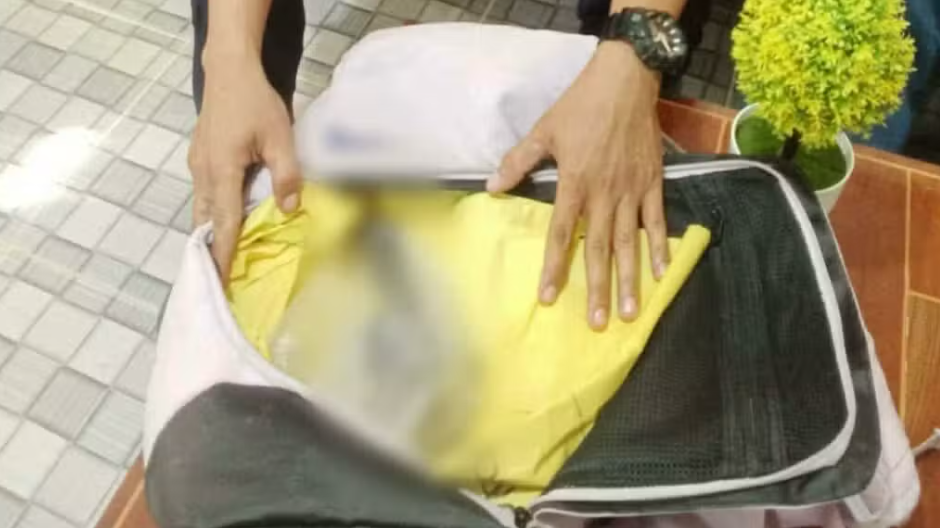
A loaded firearm was discovered in the possession of a teenage student at a school in Pinamungajan, Cebu on Thursday, August 20, intensifying concerns about weapon accessibility among young people in the Philippines and prompting immediate intervention by local authorities and child welfare officials. The .357 Smith & Wesson Magnum revolver turned up in the student's bag during a routine surprise inspection conducted by teaching staff as part of enhanced safety precautions at the institution. The discovery, made shortly before 4 p.m., set off alarm bells at a time when schools across Cebu are implementing stricter security measures following recent violence in educational settings.
Teachers conducting the bag inspection immediately alerted school administrators upon finding the weapon, triggering a swift response from law enforcement assigned to provide security at the campus. Police verified the discovery and took custody of the firearm, which was found without ammunition loaded into its chambers. The weapon underwent documentation procedures and was secured for appropriate legal disposition, with initial investigations pointing to the revolver belonging to the student's grandfather rather than the teenager himself. According to police reports, the 14-year-old had accessed the firearm from a cabinet at his family residence and brought it to school that morning, raising serious questions about household firearm storage practices and parental supervision in the province.
The minor's family circumstances added another layer of complexity to the incident. Both parents work outside the municipality and were absent from the home at the time, leaving the teenager under the care of his elderly grandparents. This arrangement, while not uncommon in Filipino families where economic demands often separate parents from children, placed the responsibility for supervision and security on relatives who may not have fully appreciated the dangers of unsecured weapons in a household with young people. The student's actions suggest either a lack of understanding about the serious consequences of bringing a firearm to school or, more troublingly, insufficient oversight of his activities and access to the home.
Following established protocols for cases involving minors, the Philippine justice system transferred custody of the student from police to the Municipal Social Welfare and Development office pending the arrival of his parents or legal guardians. This administrative step ensures that any intervention or support provided to the teenager occurs within a framework designed to protect juvenile interests while addressing the underlying factors that contributed to his dangerous decision. The MSWD office is coordinating with the student's family to implement appropriate psychological and social support measures as investigations continue.
The incident arrived at a particularly sensitive moment for Cebu's education sector. Just weeks earlier, a deadly shooting at a senior high school in Zamboanga claimed two lives, prompting regional government leaders to reassess security protocols across educational institutions. Cebu Governor Pamela Baricuatro responded by directing law enforcement and municipal police chiefs to dramatically expand security operations in both public and private schools throughout the province. Her directives encompassed increased police presence on campuses, regular security inspections like the one that uncovered this revolver, and improved communication channels between law enforcement and school management teams.
The Cebu Police Provincial Office moved swiftly to implement these directives through a coordinated deployment strategy. Provincial Director Police Colonel Abubakar Udang Mangelen Jr authorized a one-police-to-school scheme that places dedicated law enforcement personnel at educational facilities, working alongside local government units and school administrators to maintain a secure learning environment. This strategy reflects a broader recognition that school safety requires sustained police involvement rather than sporadic interventions, creating a permanent security infrastructure that can detect threats before they materialize into actual violence.
The discovery has also reignited an important conversation about firearm ownership responsibility in Philippine households. Police officials used the incident as an opportunity to remind gun owners that securing weapons against unauthorized access by children represents both a legal obligation and a moral imperative. Many firearm owners, particularly in rural areas and provincial communities, may store their weapons in ways they consider safe but which remain accessible to determined teenagers unaware of the lethal consequences of their actions. The ease with which the student accessed his grandfather's revolver suggests widespread gaps in how civilian firearms are stored across Philippine homes.
For Malaysian observers, this incident underscores the importance of rigorous firearm storage laws and their consistent enforcement across the region. While Malaysia maintains significantly stricter licensing requirements than the Philippines, incidents involving youth access to weapons occur occasionally and deserve serious attention. The Philippine case demonstrates how family circumstances, intergenerational gaps in understanding danger, and inadequate supervision can create pathways for weapons to reach schools even when authorities are actively working to prevent such outcomes.
The incident also highlights the particular vulnerabilities of remote and provincial schools, where police resources may be stretched thin and security infrastructure may lag behind urban institutions. Pinamungajan, while close to Cebu City, maintains characteristics of smaller municipal communities where informal social structures sometimes substitute for formal security systems. The surprise bag inspection that uncovered the revolver represents exactly the kind of proactive, low-cost security measure that can prove effective in resource-constrained environments when implemented consistently and thoroughly.
As investigations continue, the focus remains on understanding what motivated the teenager to bring such a dangerous item to school. Whether this represented a deliberate attempt to intimidate classmates, simple adolescent recklessness without understanding consequences, or something more concerning remains unclear. The involvement of MSWD officials in the teenager's case suggests authorities are treating this as a welfare matter requiring compassionate intervention alongside accountability, recognizing that a 14-year-old's judgment remains underdeveloped and potentially remediable through proper support and education.
The broader implication of this discovery extends beyond a single incident to encompass systemic questions about firearm access, storage practices, and the effectiveness of school security measures across the Philippines. While Governor Baricuatro's enhanced security directives represent important steps, they address symptoms rather than root causes. More comprehensive solutions would involve community education campaigns about proper firearm storage, stricter penalties for negligent storage that endangers minors, and sustained coordination between law enforcement, educational institutions, and families to create multiple protective layers around young people in their schools and homes.

