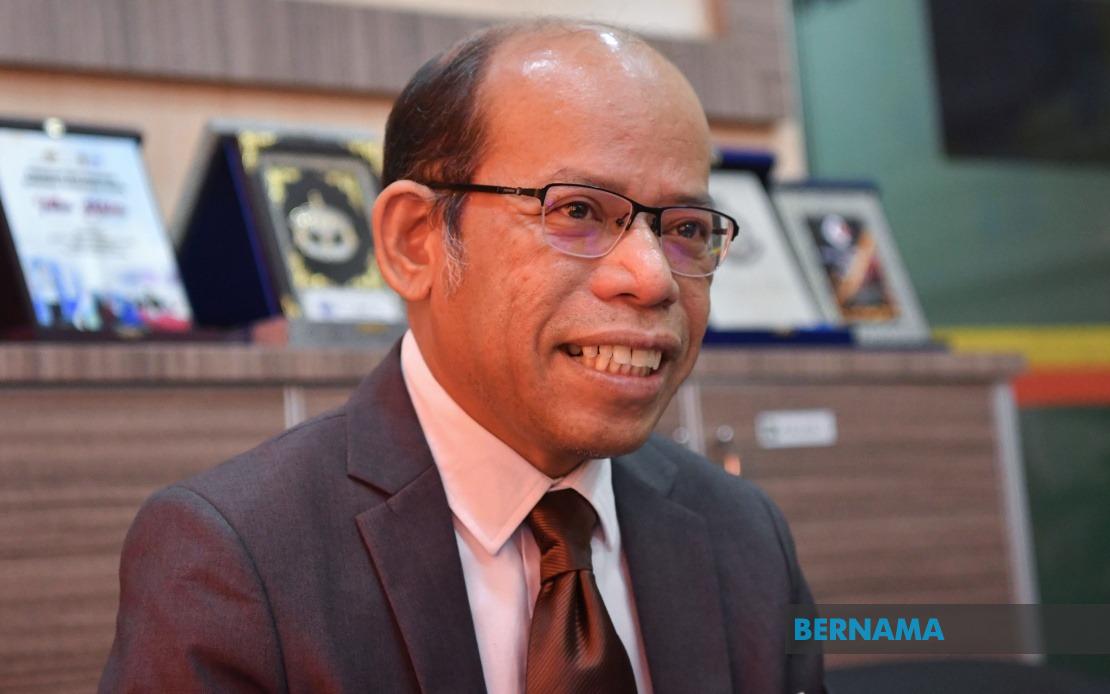
The Gua Musang District Council (MDGM) is pursuing an investment of nearly RM1 million to revitalize Bandar Lama, a historic enclave with considerable potential as a tourist destination. District council president Mohd Roshdi Ismail outlined the development initiative during a visit to the area, emphasizing the strategic importance of unlocking the region's tourism value as a pathway to economic growth.
The proposed allocation would fund restoration and redevelopment work across multiple sites identified by local authorities as having substantial appeal to international visitors. Bandar Lama possesses distinctive characteristics that set it apart within Kelantan's tourism landscape, notably its topographical setting amid surrounding hills and a rich historical narrative spanning several centuries. The area encompasses natural wonders including limestone cave formations alongside tangible reminders of Malaysia's Cold War past, creating a unique blend of geological interest and historical intrigue.
Mohd Roshdi highlighted the communist insurgency period as a defining chapter in the district's history, with physical landmarks serving as testament to that era. The defunct railway station positioned at the foothills carries particular significance, having witnessed critical events during the communist threat that shaped Malaysia's early independence years. This infrastructure, though no longer operational, represents an opportunity for heritage tourism that appeals to visitors interested in 20th-century Asian history and Malaysia's nation-building struggles.
Among the sites identified for development is a grave located in the Masjid Razaleigh area, marking the tragic death of a pregnant woman during communist attacks. Such poignant historical markers offer compelling narratives that attract heritage tourists and educational groups seeking deeper understanding of the tumultuous period that preceded Malaysia's peaceful consolidation as a nation. The integration of these sites into a cohesive tourism narrative could position Bandar Lama as a meaningful destination for those exploring the region's complex historical journey.
The RM1 million figure represents an initial framework for improvements, though MDGM recognizes that additional funding streams may be required as the development plan crystallizes. The council is actively pursuing partnerships with established government agencies capable of channeling resources and expertise into the project. Majlis Amanah Rakyat (MARA), the statutory body traditionally focused on bumiputera economic advancement, features prominently in the council's collaboration strategy, suggesting an integrated approach linking heritage preservation with community economic development.
The partnership model reflects a broader Malaysian policy trend wherein tourism development serves dual functions: attracting foreign currency earnings while generating livelihood opportunities for local communities. By engaging MARA and other relevant agencies, MDGM aims to ensure that improvements to Bandar Lama's infrastructure and attractions yield tangible benefits extending beyond visitor numbers to encompass skills training, small business development, and employment creation among district residents.
For Kelantan, a state increasingly focused on diversifying its economic base beyond traditional sectors, the Bandar Lama initiative represents a practical application of heritage tourism strategy. The district council's approach recognizes that Malaysia's smaller towns and historical sites can compete effectively in the tourism market when developed with sensitivity to their unique narratives and authentic characteristics. Rather than imposing standardized resort or commercial models, the Bandar Lama project envisions drawing visitors through genuine historical engagement and natural landscape appreciation.
The limestone geography surrounding Bandar Lama presents both aesthetic appeal and educational value, with cave formations offering opportunities for geological tourism and adventure activities suited to different visitor demographics. Combined with historical sites, this natural-cultural fusion could appeal to regional tourists from neighbouring Thailand and further afield, particularly given growing interest in authentic, experiential travel throughout Southeast Asia.
The council's proactive stance in identifying specific funding requirements and potential development partners demonstrates strategic planning by local government in addressing regional disparities in tourism infrastructure. Many Malaysian districts lack formal mechanisms for accessing development capital, leaving potentially significant attractions underdeveloped. MDGM's transparent articulation of its RM1 million need provides a template for other councils seeking to leverage their local assets more effectively.
Success in Bandar Lama could catalyze broader development in Gua Musang district, encouraging investment in hospitality infrastructure, transportation connectivity, and cultural programming that benefits the wider community. The revitalization would require coordinated effort spanning heritage conservation, tourism marketing, visitor management, and community engagement—dimensions that extend well beyond initial infrastructure funding.
The initiative also aligns with national tourism recovery priorities following pandemic disruptions, positioning heritage and historical sites as resilient components of Malaysia's tourism portfolio. Domestic tourism, which proved more stable than international markets during disruptions, values authentic, educational experiences that Bandar Lama can provide, suggesting strong domestic market potential alongside international appeal.
As MDGM pursues formal funding mechanisms and agency partnerships, the success of this venture will depend on translating infrastructure improvements into quality visitor experiences. Proper interpretation of historical sites, trained hospitality service, and thoughtful preservation of the area's character will determine whether Bandar Lama becomes a meaningful destination or merely another underdeveloped attraction. The council's willingness to collaborate and invest at the local level suggests serious commitment to realizing tourism potential that has arguably lain dormant for decades.

