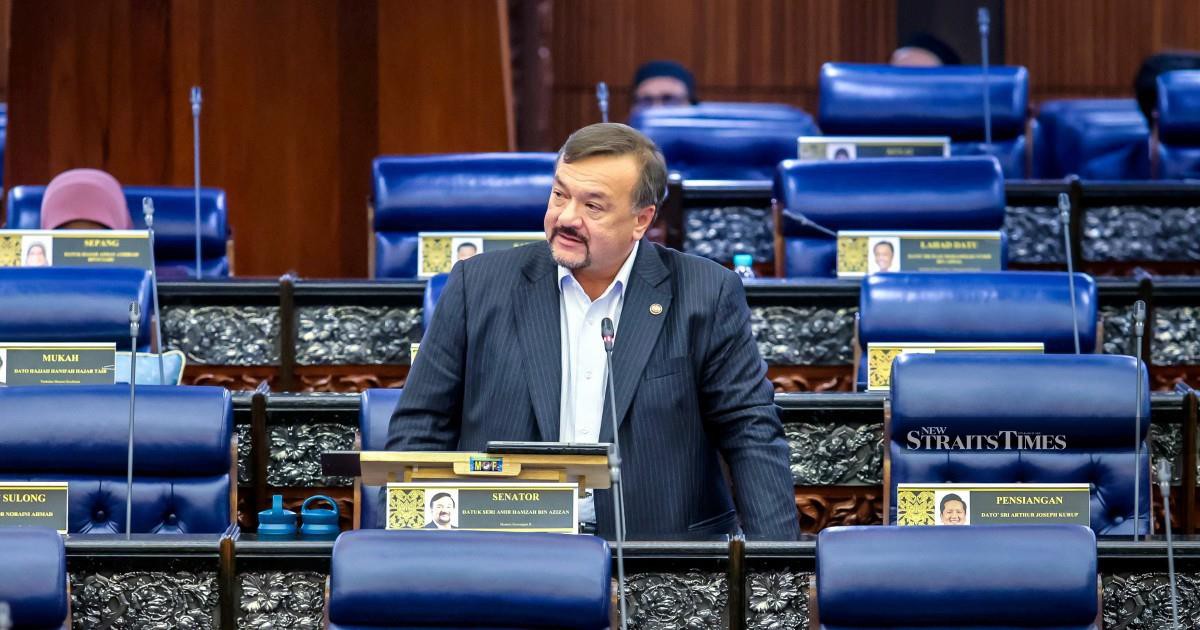
The Malaysian government has made clear that no one, regardless of rank or position, will receive preferential treatment or protection should investigations into Tabung Haji uncover wrongdoing. Speaking on the matter, officials have stressed that accountability will be pursued uniformly as scrutiny into the Islamic pilgrimage fund's historical investment decisions and financial administration intensifies.
Tabung Haji, formally known as Lembaga Tabung Haji, has faced mounting scrutiny over its stewardship of pilgrim savings and investment strategies in recent years. The institution, tasked with helping Malaysian Muslims finance their Hajj journey and managing accumulated funds, has become the subject of formal investigations examining whether past decisions met fiduciary standards and regulatory requirements. These inquiries represent a significant governance moment for a body entrusted with the religious and financial aspirations of millions of Malaysians.
The government's stance signals a departure from historical patterns where senior officials or political appointees occasionally escaped consequences for institutional failures. By publicly committing to equal treatment under investigation, authorities are attempting to rebuild public confidence in the integrity of official institutions and demonstrate that no position confers immunity from accountability. This messaging carries particular weight given persistent public concerns about governance failures at sovereign wealth funds and religious endowments across the region.
Investigations have reportedly examined investment decisions made over multiple years, with particular focus on whether fund managers exercised adequate due diligence and prudence in deploying pilgrim savings. Preliminary findings and media reports have suggested that some investment choices may not have aligned with conservative portfolio management principles typically expected of institutions holding public monies, especially those serving a specific religious purpose. The scope of these inquiries extends across both individuals responsible for day-to-day management and those occupying board-level positions with fiduciary oversight responsibilities.
For Malaysian Muslims, many of whom entrust Tabung Haji with savings accumulated over years specifically for Hajj purposes, questions about institutional integrity strike deeply. The fund operates as a quasi-governmental body with cultural and religious significance beyond conventional investment vehicles. Any breaches of financial prudence thus carry moral dimensions alongside economic consequences, making the government's commitment to thorough investigation responsive to genuine public concern rather than merely procedural.
The announcement also addresses international scrutiny. Malaysia's commitment to rigorous governance of state-linked institutions influences investor confidence and the nation's standing in global financial assessments. Jurisdictions perceived as unwilling to pursue accountability at high-level institutions face reputational damage and potential economic consequences. By emphasizing equal accountability, the government positions Malaysia as serious about institutional reform and financial discipline, messaging relevant to foreign investors evaluating the country's business environment and regulatory reliability.
Regionally, the Tabung Haji matter reflects broader governance challenges affecting sovereign wealth funds and state-linked enterprises across Southeast Asia. Several nations in the region have grappled with similar scandals involving state entities, some resolved through rigorous investigation and others allowing institutional failures to escape meaningful consequences. Malaysia's handling of Tabung Haji thus carries precedential weight, potentially signalling either commitment to institutional accountability or tolerance for high-level wrongdoing if political connections intervene.
The investigation's scope encompasses both criminal conduct and administrative failings. Depending on findings, outcomes might range from termination of officials, recovery of misappropriated funds, restructuring of oversight mechanisms, to criminal prosecution. The government's advance declaration that none will be protected suggests a willingness to pursue outcomes across this spectrum based on evidence rather than political considerations. Such positioning creates pressure on investigators to act independently and impartially, though execution typically determines whether declared principles translate to actual accountability.
For Malaysians holding accounts or savings with Tabung Haji, the investigation provides an opportunity for institutional course correction. Strengthened governance frameworks, enhanced internal controls, and genuine accountability could restore confidence in an institution whose trustworthiness has been undermined by questions about past management. The alternative—that investigations conclude without meaningful consequences for senior figures—would reinforce public cynicism about official institutions and potentially undermine future public participation in state-managed savings and investment schemes.
The government's commitment to pursue wrongdoing without protecting influential figures also reflects internal political dynamics. Various political factions within Malaysia's coalition government may hold different institutional interests, creating pressure to ensure investigations proceed based on evidence. Public pronouncements of accountability, while easy to make, become harder to abandon once stated, though Malaysian political history shows that follow-through remains inconsistent. The credibility of government assurances depends on investigating bodies maintaining independence and political leadership respecting their conclusions regardless of implications.

