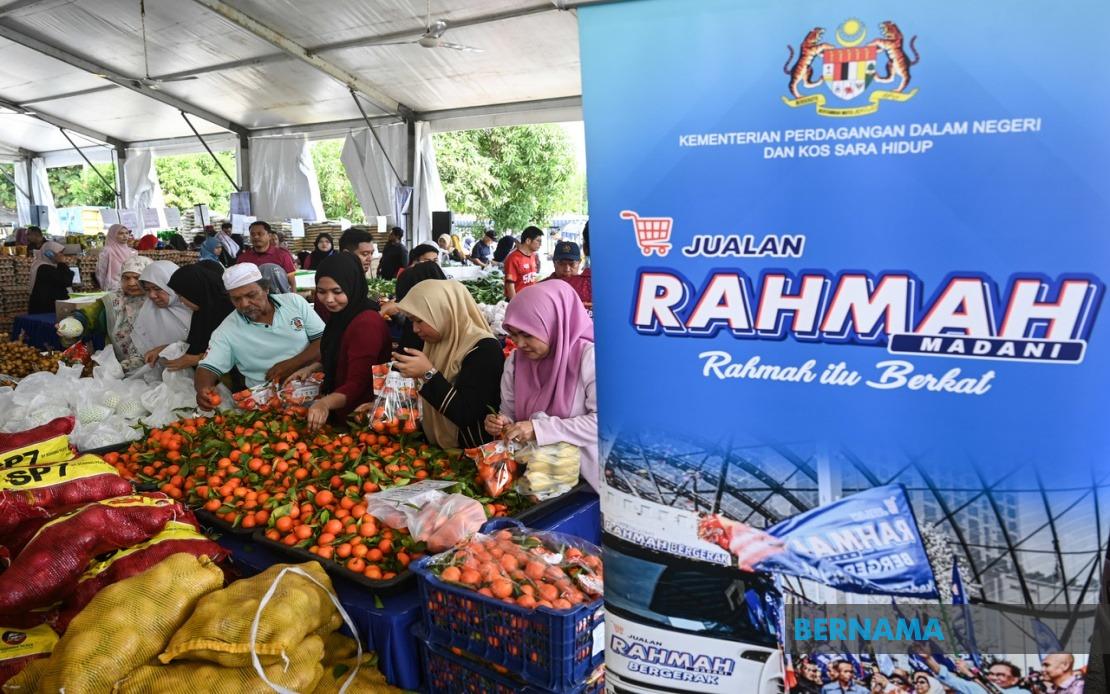
Prime Minister Datuk Seri Anwar Ibrahim has announced plans to launch the Ihsan Rahmah 9.9 online sale on September 9 as part of Malaysia Day 2026 celebrations. The initiative marks a significant shift in how the government delivers price-controlled goods to citizens, moving the traditional Jualan Rahmah programme into the digital space for the first time. Speaking after opening the TikTok Shop Summit Malaysia in Kuala Lumpur on August 20, Anwar emphasised that the sale represents comprehensive backing for the nation's 34.5 million residents, underscoring the administration's commitment to broad-based economic benefits.
The Prime Minister was accompanied by Communications Minister Datuk Seri Fahmi Fadzil, Entrepreneur and Cooperative Development Minister Steven Sim Chee Keong, and Domestic Trade and Cost of Living Minister Datuk Armizan Mohd Ali at the announcement. The presence of these key ministers signals coordinated government action across multiple portfolios to ensure the initiative's success. The Ministry of Domestic Trade and Cost of Living (KPDN), which oversees the Jualan Rahmah programme, will play a central role in executing the sale, with support from various other government agencies and private sector partners.
The online format of the Ihsan Rahmah 9.9 sale represents a strategic adaptation to consumer behaviour and technological adoption among Malaysian shoppers. By leveraging e-commerce platforms rather than relying solely on traditional brick-and-mortar outlets, the government can reach a significantly wider audience across urban and rural areas simultaneously. This approach acknowledges the growing prominence of online shopping in Malaysia, particularly among younger demographics and in regions where physical retail presence may be limited. The timing of the announcement at the TikTok Shop Summit underscores the government's recognition of social commerce's expanding role in retail, positioning Malaysia as a country that integrates digital channels into social welfare initiatives.
Anwar stressed that alongside robust economic growth figures, the government must actively address citizens' living standards and daily economic pressures. He highlighted that improvement in quality of life encompasses multiple dimensions beyond GDP growth, including education, healthcare, fundamental infrastructure, and the cost of living. This statement reflects a policy philosophy that views economic performance not merely as a headline metric but as a tool that must translate into tangible relief for ordinary Malaysians. The Ihsan Rahmah 9.9 sale exemplifies this approach by directly reducing consumer costs for essential items.
The existing Jualan Rahmah programme, managed by KPDN, has demonstrated the government's willingness to intervene in pricing mechanisms to protect consumer welfare. The scheme typically offers basic necessities at discounts ranging from 10 to 30 per cent below regular market prices, making essential goods more accessible to lower and middle-income households. By extending this model to the online realm, the government seeks to amplify its reach and impact. Digital platforms offer opportunities for transparent pricing comparisons, wider merchant participation, and real-time inventory management—advantages that physical sales locations cannot easily replicate.
The choice of September 9 for the launch carries symbolic significance, aligning with Malaysia Day celebrations on September 16. This timing frames the sale as a national initiative that benefits all Malaysians equally, reinforcing narratives of inclusive growth and shared prosperity. For consumers, the date creates a clearly marked shopping event around which to plan their purchases. For merchants and e-commerce platforms participating in the initiative, the concentrated timeframe allows for focused marketing campaigns and operational coordination. The government's intention to promote the sale widely suggests an anticipated comprehensive communications effort across traditional and digital media channels.
From a Southeast Asian perspective, Malaysia's move to digitise price-controlled retail sales reflects broader regional trends toward integrating social protection mechanisms with modern commerce infrastructure. Countries across the region increasingly recognise that digital platforms can enhance the efficiency and reach of consumer subsidy programmes. This approach potentially offers lessons for neighbouring nations grappling with similar cost-of-living pressures while managing public resources. It also demonstrates how governments can work collaboratively with private sector technology companies to achieve social policy objectives without necessarily expanding the state's direct retail footprint.
The involvement of multiple government ministries in planning and executing the Ihsan Rahmah 9.9 sale indicates a coordinated approach to consumer protection policy. Rather than operating in silos, the Ministries of Communications, Entrepreneurship and Cooperative Development, and Domestic Trade and Cost of Living are aligning their mandates toward a common goal. This inter-ministerial cooperation extends to engaging entrepreneurs and cooperatives, suggesting that small and medium-sized merchants will have opportunities to participate alongside larger retailers. Such participation can help distribute benefits more equitably across the business community while ensuring that diverse product categories reach consumers through varied channels.
For Malaysian consumers, particularly those in lower-income brackets, the online sale format offers convenience and cost savings previously unavailable during traditional Jualan Rahmah events. Online shopping eliminates the need to travel to specific locations during designated hours, addressing barriers that many time-constrained or mobility-limited individuals face. The digital platform enables product browsing before purchase, transparent pricing displays, and potentially home delivery options, enhancing accessibility. However, the initiative also underscores the digital divide that persists in Malaysia—those without internet access or familiarity with e-commerce platforms may face challenges accessing these discounted goods, highlighting an ongoing policy challenge for inclusive service delivery.
Anwar's emphasis that the government hopes to promote the initiative widely reflects awareness that programme success depends on consumer awareness. Many Malaysians may remain unaware of existing Jualan Rahmah offerings or how to access them, limiting their impact. The public communications strategy for the Ihsan Rahmah 9.9 sale will likely prove crucial to its effectiveness. Advertising through multiple channels, engagement with community leaders, partnerships with popular e-commerce platforms, and possibly integration with government digital services can maximise reach. The scale of promotion signals government investment in ensuring that the programme's intended beneficiaries actually learn about and utilise the discounted offerings.
The economic rationale underlying the Ihsan Rahmah 9.9 sale reflects government recognition that Malaysians face sustained pressure on household budgets despite macroeconomic growth. Cost-of-living concerns have dominated public discourse, with citizens increasingly struggling with prices for housing, transportation, food, and utilities. By strategically offering periodic, heavily discounted shopping events for daily essentials, the government provides targeted relief that complements broader economic policies. These initiatives demonstrate responsiveness to citizens' immediate needs while policymakers work on longer-term structural solutions to affordability challenges. The online format may also generate valuable data on consumer purchasing patterns and preferences, informing future policy design.
Looking ahead, the success or challenges of the Ihsan Rahmah 9.9 online sale will likely influence how the government approaches similar initiatives in future years. Technical issues with platform capacity, merchant participation rates, product availability, and consumer satisfaction will determine whether digital distribution becomes the primary model for such programmes. The event also presents an opportunity to strengthen partnerships between government and e-commerce companies, potentially leading to more sophisticated approaches to social commerce. If executed effectively, the September 9 sale could establish a template for integrating digital infrastructure into Malaysia's social protection systems, modernising how government support reaches citizens while positioning the nation as innovative in deploying technology for public welfare.

