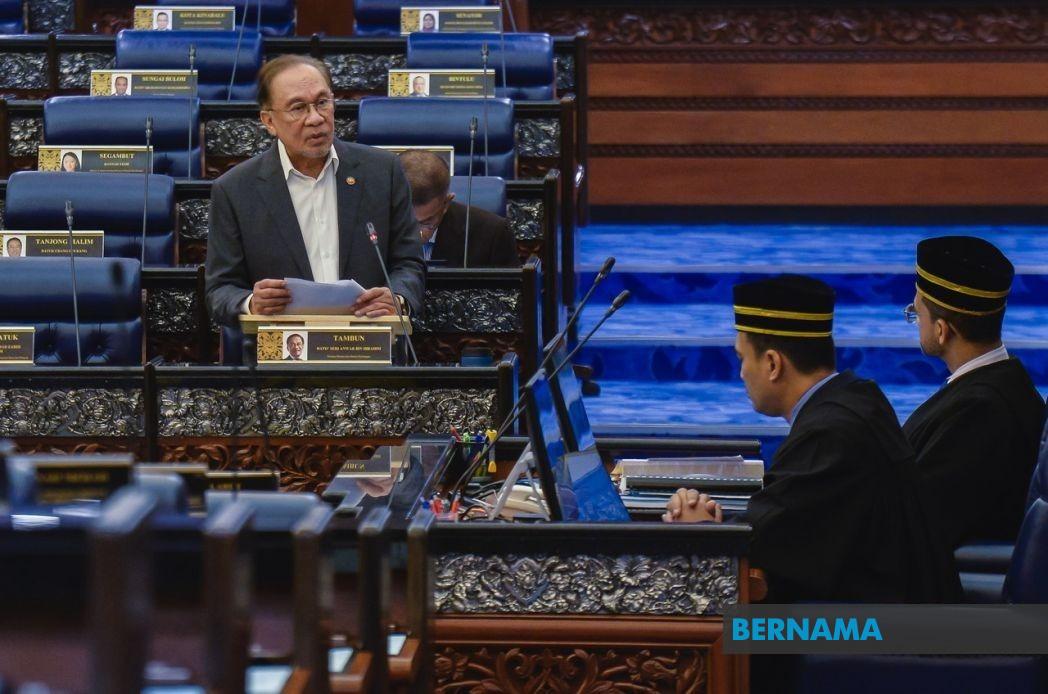
Prime Minister Datuk Seri Anwar Ibrahim has committed to gathering additional information and engaging in talks with petroleum firms regarding claims that petrol station operators suffered financial losses while transitioning to the government's enhanced fuel subsidy framework. Speaking during parliamentary question time, Anwar acknowledged the concerns raised and indicated that Second Finance Minister Datuk Seri Amir Hamzah Azizan would take the lead in obtaining comprehensive details and conducting consultations with industry stakeholders.
The targeted RON95 petrol and diesel subsidy programme represents a significant policy shift aimed at directing government support more efficiently to those who need it most, moving away from across-the-board fuel price controls that previously benefited all consumers equally. The transition itself, however, created operational challenges for those managing petrol station networks, which depend on carefully calibrated profit margins and rapid inventory turnover. Station operators claimed to have incurred losses ranging from RM40,000 to RM50,000 during the changeover period, according to Howard Lee Chuan How, the Ipoh Timur MP from Pakatan Harapan who raised the matter in the Dewan Rakyat.
Anwar underscored the government's gratitude for the cooperation extended by major oil companies and their retail partners in successfully rolling out the targeted subsidy mechanism. Such coordination between government bodies and private sector firms is essential when implementing complex policy changes affecting millions of Malaysian consumers and hundreds of petrol stations nationwide. The Prime Minister's acknowledgment of industry support suggests recognition that operators bore real costs in implementing a system fundamentally different from what preceded it.
The debate over fuel subsidies in Malaysia reflects longstanding tensions between fiscal sustainability and affordability concerns. Previous administrations maintained universal price controls on RON95 petrol and diesel, which proved increasingly expensive as global oil prices fluctuated. The targeted approach aims to concentrate subsidies on eligible groups, reducing overall government spending while protecting vulnerable populations. Yet this transition imposed temporary costs on retailers forced to adjust their operations, ordering patterns, and customer communication strategies during the changeover.
The financial impact on petrol station operators deserves serious attention because these businesses form the critical final link in fuel distribution. Many operators are small or medium-sized enterprises with limited financial reserves to absorb unexpected losses during policy transitions. The RM40,000 to RM50,000 loss range mentioned may represent months of compressed margins or accumulated inventory adjustments. For stations operating on thin profitability, such shocks can threaten viability and, in extreme cases, prompt closures in less densely populated areas.
Anwar's positioning of the government as willing to collaborate on solutions reflects pragmatic policymaking. Rather than dismissing operator concerns or treating them as secondary to the subsidy programme's broader objectives, the administration has signalled openness to discussion. This approach acknowledges that implementation success depends partly on stakeholder buy-in and that unresolved grievances could undermine the system's credibility or discourage participation from new operators.
The involvement of the Second Finance Minister in follow-up discussions suggests this matter carries sufficient weight within government to warrant senior attention. Amir Hamzah Azizan's role in fiscal matters positions him well to evaluate operator claims against available financial data and to explore potential remedies, whether through compensation mechanisms, extended transition periods, or operational adjustments that reduce future friction.
For Malaysian consumers, these behind-the-scenes negotiations carry practical implications. Petrol station availability and service quality ultimately depend on operator viability. If retailers continue facing undisclosed losses, they may reduce operating hours, defer maintenance, or exit the market entirely, creating gaps in fuel access, particularly outside major urban centres. Addressing operator concerns helps ensure the targeted subsidy system's sustainability.
The government's broader subsidy reform agenda extends beyond fuel to include food and electricity support. Lessons learned from the petrol transition—including the importance of managing stakeholder expectations and compensating those bearing implementation costs—will likely inform these parallel initiatives. A transparent, consultative approach to managing operational adjustments across sectors could build confidence in other reform efforts.
Anwar's commitment to further investigation and dialogue also reflects political pragmatism. Parliament provides a formal venue for raising sectoral grievances, and responding substantively to such concerns demonstrates responsiveness to both MPs and their constituents. Dismissing petrol station operators' losses could create broader perception of government insensitivity to business community concerns, potentially affecting cooperation on future economic policies.
The coming discussions between government officials and oil companies will need to address several practical questions: whether compensation is warranted, how losses should be calculated and verified, and whether operational procedures can be refined to prevent similar disruptions during future policy adjustments. The outcome will signal whether Malaysia's approach to economic reform prioritizes inclusive stakeholder management or treats transition costs as inevitable business expenses to be absorbed by private operators.
Ultimately, Anwar's pledge reflects recognition that successful policy implementation requires more than legislative endorsement—it demands sustained engagement with those responsible for execution on the ground. How the government addresses petrol station operator losses will demonstrate whether such commitments translate into tangible support or remain largely rhetorical.

