The Malaysian government has committed to delivering a nationwide network of 1,000 MADANI Recreational Parks by 2030, marking a significant infrastructure initiative aimed at enhancing quality of life in communities across the country. According to Mansor Mohamad, director-general of the National Landscape Department, this ambitious rollout reflects a strategic shift towards making recreational facilities fundamental to urban and rural planning. As of 2025, the programme has already achieved tangible progress with 216 parks operational, while construction activity continues to accelerate with 100 additional parks currently under development during the current year alone.
The financial investment required for each MADANI Recreational Park typically ranges between RM400,000 and RM500,000, with variations depending on site dimensions and architectural specifications. This cost structure makes the programme relatively efficient in terms of public expenditure per facility, particularly when considering the long-term community benefit and potential for reducing health disparities through improved access to outdoor recreation. The relatively modest per-park investment suggests the government is pursuing a standardised design approach that balances quality with fiscal responsibility, an important consideration given Malaysia's need to modernise public infrastructure across numerous sectors simultaneously.
What distinguishes the MADANI parks initiative is its deliberate integration of universal design principles, ensuring that recreational facilities serve the entire demographic spectrum within Malaysia's diverse population. The framework explicitly incorporates features that accommodate children and teenagers seeking active play spaces, adults looking for fitness and leisure opportunities, senior citizens requiring age-appropriate facilities, and persons with disabilities requiring accessible amenities. This inclusive approach represents a departure from traditional park development in Malaysia, which often overlooked the needs of marginalised groups and those with mobility limitations. By prioritising universal accessibility from the outset, the government is establishing a template for public infrastructure that could influence future development across other sectors.
The strategic placement of these parks within existing residential areas and community neighbourhoods reflects a recognition that proximity directly influences utilisation rates and public satisfaction. By situating recreational facilities within walking distance of homes, the initiative removes transportation barriers that often discourage participation, particularly among lower-income families and elderly residents with limited mobility. This location strategy also generates secondary benefits for surrounding property values and community cohesion, as well-maintained public spaces function as gathering points that strengthen social bonds and collective identity. The concentration of infrastructure development in residential zones suggests the government understands that accessible recreation contributes meaningfully to public health outcomes, mental wellbeing, and crime reduction.
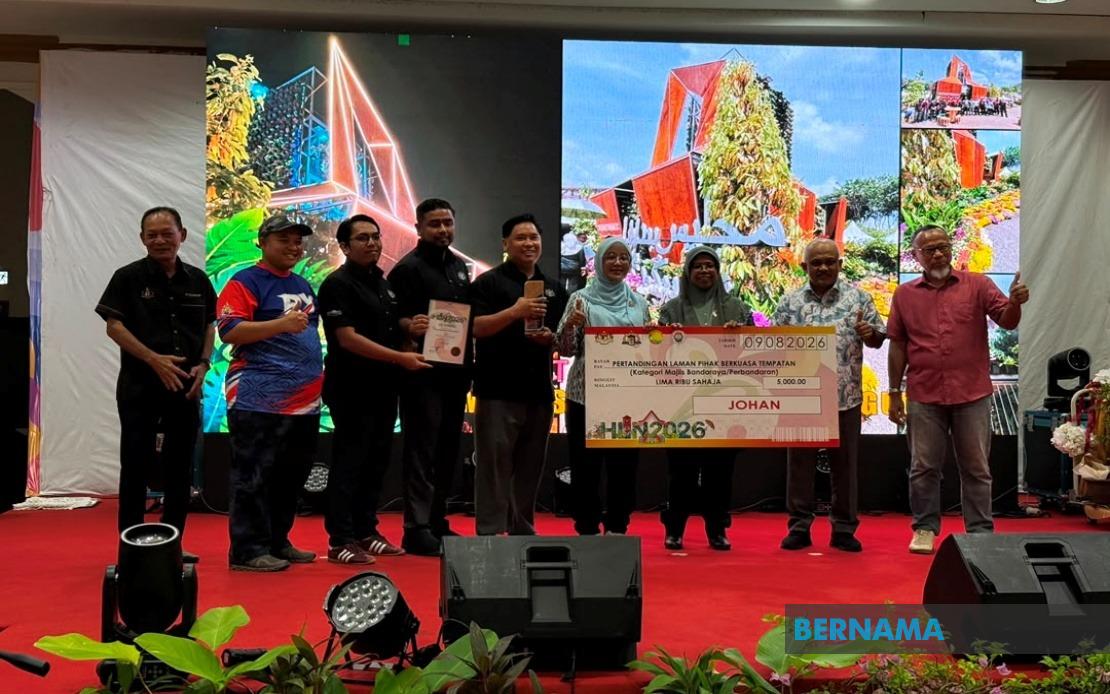
The National Landscape Day celebration held in Melaka, which drew approximately 80,000 visitors over four days, demonstrated substantial public appetite for landscape-focused initiatives and recreational infrastructure. The event served dual purposes: fostering community engagement with landscaping concepts while simultaneously providing local entrepreneurs and landscaping industry practitioners with commercial opportunities to display and market their products and services. This combination of public engagement and private sector participation creates a synergistic model where government infrastructure projects directly stimulate economic activity within the landscaping and horticulture sectors, supporting job creation and business development across multiple tiers of the supply chain.
For Malaysian readers and policymakers, this initiative carries implications extending beyond simple park construction. The MADANI parks programme represents a broader commitment to inclusive urban development that acknowledges demographic diversity and accessibility as central planning principles rather than afterthoughts. This philosophical orientation could cascade into other public infrastructure projects, establishing new standards for government facility design and community engagement. Furthermore, as Malaysia continues urbanisation and densification in major cities and satellite towns, the availability of well-maintained public recreational spaces becomes increasingly critical for maintaining liveable communities and preventing the social fragmentation often accompanying rapid urban growth.
The preparation timeline for the 1,000-park target by 2030 indicates the government intends to maintain construction momentum and avoid delays common in large-scale public infrastructure programmes. With 216 parks already completed and 100 more under active development, the current trajectory suggests approximately 384 parks will exist by year-end, leaving roughly 616 parks requiring completion over the subsequent four and a half years. This pace demands consistent funding allocations, streamlined procurement processes, and coordination across multiple governmental agencies and local authorities responsible for implementation. The government's stated commitment to immediately commence planning for next year's National Landscape Day celebration suggests institutional capacity for sustained engagement and stakeholder coordination.
From a Southeast Asian perspective, Malaysia's recreational park investment programme distinguishes itself through explicit emphasis on universal design and community-centred placement. Neighbouring countries pursuing similar infrastructure development could potentially adapt and learn from Malaysia's approach, particularly regarding inclusive design principles and the integration of private sector participation in public space development. The programme also reflects growing regional recognition that quality-of-life infrastructure constitutes legitimate government responsibility and should receive comparable priority to economic development initiatives.
Deputy Housing and Local Government Minister Datuk Aiman Athirah Sabu's official participation in the National Landscape Day ceremony underscores governmental commitment at ministerial level, signalling that recreational infrastructure occupies meaningful space within national development priorities. This high-level engagement helps ensure continued resource allocation and political support necessary for sustaining the programme through multiple election cycles and government transitions. The involvement of State Housing, Local Government, Drainage, Climate Change and Disaster Management Committee chairman Datuk Rais Yasin further demonstrates integrated coordination between federal and state authorities, a critical requirement for projects spanning 1,000 separate installations across Malaysia's diverse administrative landscape.
Looking forward, the success of the MADANI parks initiative will depend on maintenance quality and community stewardship beyond initial construction. Public spaces deteriorate rapidly without adequate upkeep and can become sources of community frustration rather than pride if neglected. The government's engagement strategy, exemplified through the National Landscape Day celebration, suggests awareness of this challenge and commitment to fostering community ownership and participation in facility management. Establishing robust maintenance protocols and community volunteer programmes could transform these parks from temporary government initiatives into permanent fixtures of Malaysian neighbourhoods.

