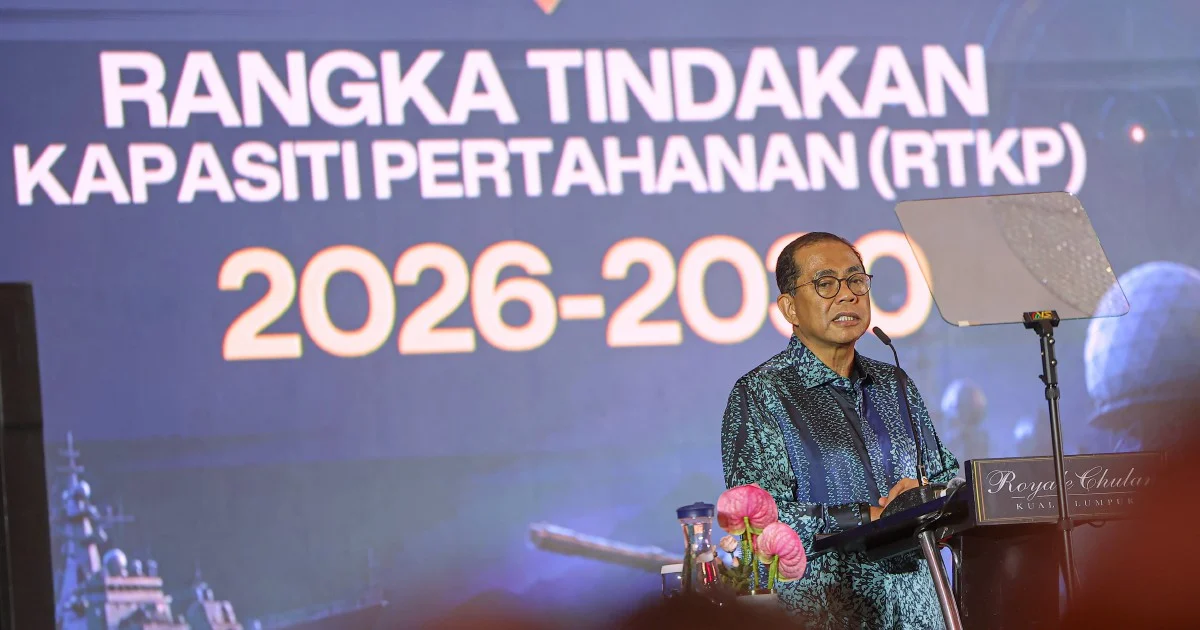
Malaysia's Defence Ministry is moving to bridge the diplomatic and contractual gap created by Norway's withdrawal from a missile supply agreement originally designed for the Littoral Combat Ship programme, Defence Minister Datuk Seri Mohamed Khaled Nordin announced. The decision to engage constructively on the matter signals Kuala Lumpur's commitment to salvaging both the defence partnership and finding alternative paths forward on a procurement initiative that has already faced significant delays and scrutiny.
The Norwegian government's revocation of the missile contract represents a substantial setback for a defence acquisition project that has long been viewed as strategically important to Malaysia's naval modernisation. The LCS initiative, intended to enhance regional maritime capabilities and strengthen Indonesia's ability to patrol territorial waters, has become increasingly mired in complications spanning technical specifications, cost overruns, and international partnership challenges. The loss of the Norwegian missile component introduces yet another layer of complexity to an already strained undertaking.
Norway's decision likely stems from concerns ranging from project delays to broader geopolitical considerations affecting defence partnerships in Southeast Asia. The Norwegian government may have reassessed the viability of committing advanced weapons systems to a programme that has faced repeated setbacks and uncertain timelines. Such commercial and strategic reassessments are not uncommon in international defence procurement, where changing political priorities and risk assessments can reshape cooperation frameworks. Norway's position reflects a broader international trend of defence contractors and governments adopting more cautious stances toward long-term commitments with uncertain delivery prospects.
The Malaysian government's stated readiness to resolve the matter opens dialogue with Oslo, suggesting potential remedies ranging from renegotiation of contractual terms to exploring alternative supplier arrangements or technical modifications. Such negotiations typically involve multiple stakeholders including defence procurement officials, military representatives, and diplomatic channels. The approach indicates that Kuala Lumpur views the disagreement as resolvable rather than terminal, preserving space for both parties to identify mutually acceptable solutions.
For Malaysia, the implications extend beyond the bilateral defence relationship with Norway. The LCS project carries broader significance for the country's defence modernisation roadmap and naval capabilities in the strategically vital Strait of Malacca. Securing appropriate weapon systems remains integral to ensuring the vessels can fulfill their intended operational roles once completed. Delays in weapons integration can cascade into downstream complications affecting the entire fleet's operational readiness timeline.
The resolution pathway will likely involve technical assessments regarding missile system compatibility, cost implications of switching suppliers or redesigning integration specifications, and contractual arrangements that address both parties' concerns. Malaysia may explore acquiring comparable systems from alternative suppliers, potentially from European or Asian manufacturers with comparable technological standards. Such substitutions require careful evaluation to ensure the replacement systems integrate seamlessly with the LCS design architecture and command systems.
The broader context of the LCS programme has long attracted parliamentary and public scrutiny in Malaysia, with concerns voiced about escalating costs and extended delivery schedules. These challenges have domestic political dimensions that inform how the Defence Ministry approaches resolution strategies. Demonstrating competent management of international partnerships and procurement processes carries weight beyond the immediate defence implications.
From a regional perspective, Malaysia's diplomatic approach to resolving disputes with established defence partners like Norway reinforces its commitment to maintaining stable security relationships within established frameworks. Southeast Asia benefits when defence partnerships remain robust and predictable, supporting collective maritime security efforts and regional stability. The willingness to engage constructively on contentious issues sets constructive precedents for other bilateral defence collaborations that inevitably face periodic friction.
The Norwegian missile cancellation also highlights the interconnected nature of modern defence procurement, where technological, financial, and geopolitical factors interweave. Malaysian defence planners must navigate complex international markets while managing domestic expectations about capability delivery and fiscal responsibility. These pressures create real constraints on how straightforwardly procurement challenges can be addressed, even when bilateral goodwill exists.
Looking ahead, the Defence Ministry's engagement with Norway will test Malaysia's diplomatic capacity to find creative solutions that satisfy both nations' interests while maintaining the broader strategic relationship. Whether the resolution involves securing alternative missile systems, renegotiating existing terms, or redesigning technical specifications, the outcome will influence how Malaysia approaches future major defence acquisitions. The situation underscores enduring lessons about the complexity of international defence partnerships and the importance of robust contractual frameworks that account for project uncertainties and evolving circumstances.

