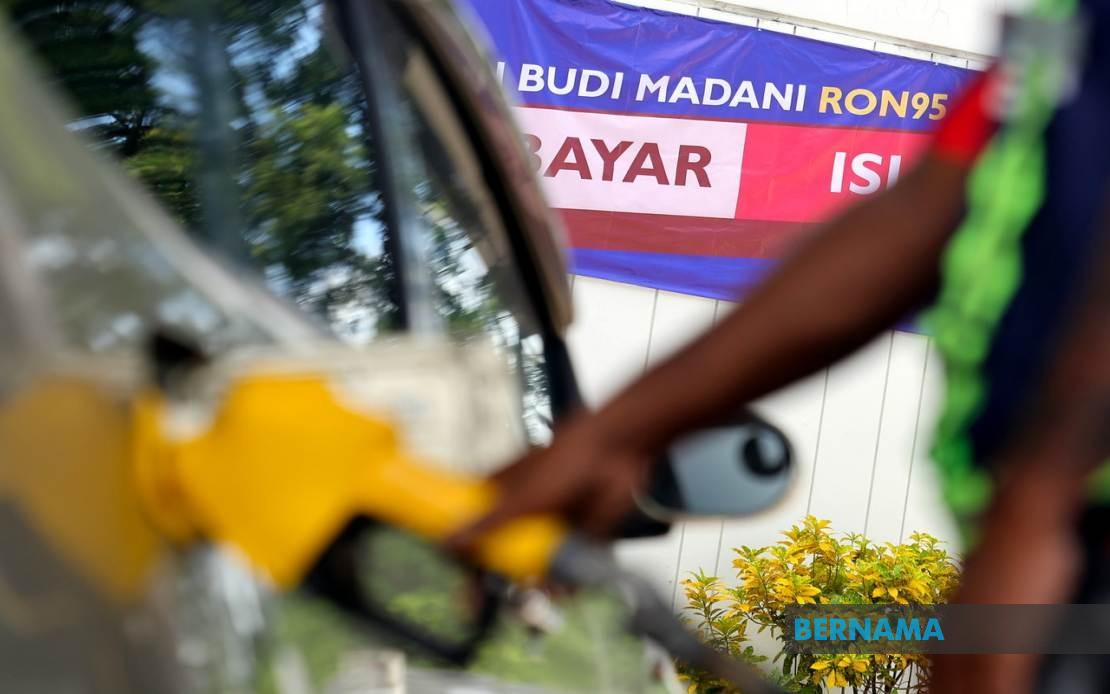
Malaysia's government has reversed a cost-cutting measure by restoring the basic monthly fuel quota under the Budi MADANI RON95 subsidy programme to its original allocation of 300 litres per customer. Prime Minister Datuk Seri Anwar Ibrahim announced the decision during the National Day ceremony at the Putrajaya International Convention Centre, declaring that the move will benefit more than 16 million Malaysians who depend on subsidised RON95 petrol.
The reversal signals a significant policy shift just months after authorities had signalled intention to tighten spending controls. In late March, the government had announced plans to reduce the BUDI95 monthly quota from 300 to 200 litres beginning April 1, 2026, citing fiscal pressures linked to regional tensions in West Asia and volatile international energy markets. The subsidised price of RON95 would have remained fixed at RM1.99 per litre, meaning consumers would have faced sharply reduced access to cheap fuel despite unchanged pump prices for what they could purchase.
The decision to maintain pricing while cutting volume represented a pragmatic if unpopular approach to constraining the massive fiscal burden of Malaysia's fuel subsidy system. However, political and social considerations appear to have outweighed budgetary discipline. The restoration of the 300-litre monthly limit removes the squeeze that households, small businesses, and transport operators would have experienced under the reduced allocation, allowing drivers to maintain their current consumption patterns without switching to unsubsidised premium grades or relocating fuel purchases across state lines.
Diesel users receive comparable relief and arguably greater recognition under the restored framework. More than half a million eligible owners of diesel-powered pick-up trucks and commercial jeeps will now access up to 400 litres monthly through the Budi Diesel component of the subsidy scheme. This allocation caters specifically to agricultural workers, construction operators, and rural transport providers for whom diesel-dependent vehicles represent essential economic tools rather than discretionary purchases.
The fuel subsidy programme operates as a cornerstone of Malaysia's social safety net and an implicit recognition of transport and logistics costs embedded throughout the economy. By maintaining generous monthly allocations at controlled prices, the government effectively subsidises food distribution, agricultural production, construction activity, and daily commuting for millions of citizens. The fiscal cost—borne through the federal budget—represents a significant ongoing expense competing with healthcare, education, and infrastructure investments.
From a regional perspective, Malaysia's continued commitment to fuel subsidies at this scale distinguishes it among Southeast Asian economies grappling with similar pressures. While Indonesia has pursued multiple rounds of subsidy reductions over recent decades, and Thailand maintains more targeted schemes, Malaysia has preserved relatively broad access. This reflects both the political sensitivity of fuel pricing for ordinary Malaysians and the structural dependence of the transportation-intensive economy on affordable energy inputs.
The timing of this reversal, occurring during the National Day address, carries symbolic weight beyond its immediate policy implications. National Day speeches traditionally articulate the government's vision and priorities to the electorate, and choosing this platform to announce restored fuel access communicates a message about protecting citizen welfare and purchasing power. This contrasts with the more technical, understated manner in which the March reduction had been announced.
International crude oil price trajectories will substantially influence the long-term viability of maintaining these subsidy levels. If global petroleum markets stabilise at lower price points, the fiscal burden becomes more manageable. Conversely, should geopolitical tensions or supply constraints push prices upward, the gap between subsidised prices and actual procurement costs could widen, straining government finances and potentially forcing future policy recalibrations. Malaysia's experience with subsidy policy demonstrates the political difficulty of adjusting downward once expanded beneficiaries have adjusted consumption patterns.
The programme's administration through the Petronas-managed BUDI system requires robust identity verification and digital tracking to prevent abuse and leakage. As the subsidy scheme matures, monitoring mechanisms become increasingly sophisticated, though enforcement challenges persist in rural and remote areas where alternative verification methods remain limited. The restoration decision assumes continued effective programme management and adequate funding allocation.
For Malaysian households and small business operators, the restoration removes uncertainty that had begun affecting economic planning and consumer confidence. The earlier announced reduction would have required behavioural adjustments and potentially increased operational costs across transport-dependent sectors. By confirming the 300-litre monthly allocation, policymakers have chosen immediate fiscal accommodation over medium-term expenditure discipline, betting that economic growth and stable revenue streams will sustain this commitment.

