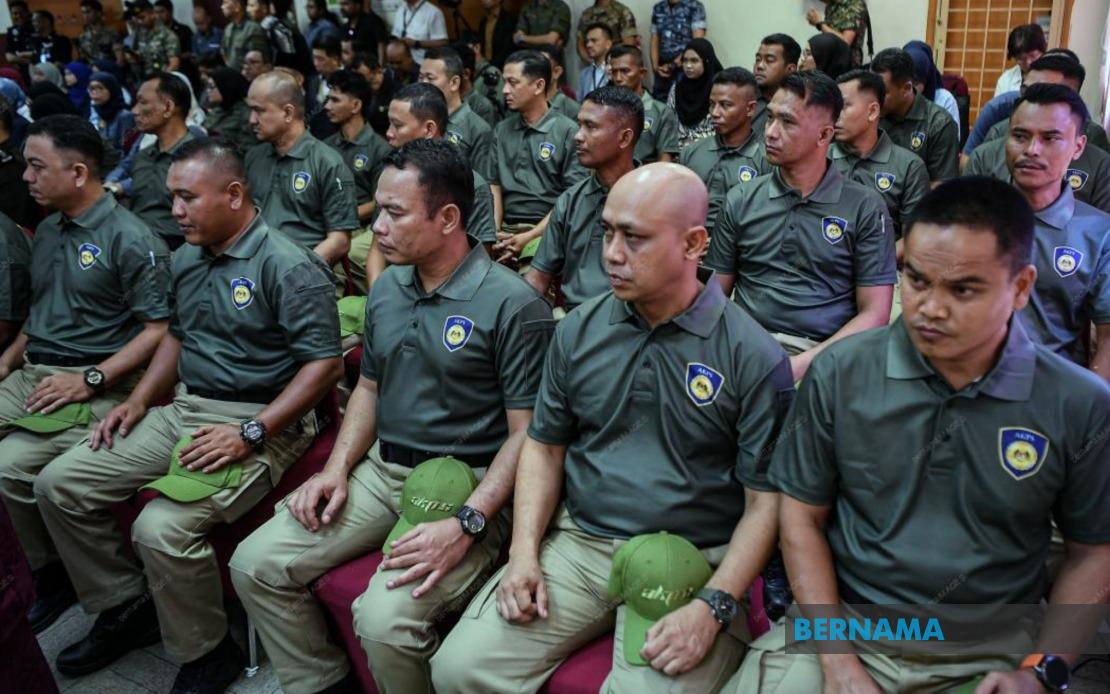
The Malaysian government has moved to allay concerns among Border Control and Protection Agency personnel regarding their employment status and entitlements, with the Deputy Home Minister providing formal assurances that protections remain in place as the agency transitions to a new administrative framework under the Public Service Department from July 1 onwards. The statement, delivered during parliamentary proceedings, represents an attempt to stabilise confidence among the thousands of civil servants affected by the organisational restructuring.
Datak Seri Dr Shamsul Anuar Nasarah, speaking in the Dewan Rakyat, confirmed that officers electing to remain within their original service classifications will experience no diminishment of career advancement opportunities, tenure standing, superannuation provisions, or welfare entitlements. This reassurance targets the primary anxieties that typically accompany inter-agency transitions, where employees frequently worry about losing hard-earned benefits or seniority accumulated over years of service.
The AKPS itself represents a consolidation effort, having been established through the merger of multiple law enforcement bodies. The agency now manages a critical operational function: coordinating border management and goods monitoring across 122 officially designated entry points throughout the nation. This responsibility makes staffing stability and operational continuity matters of national interest, extending beyond ordinary human resources considerations to encompass security and commerce.
Prior to the July 1 implementation date, AKPS positions were populated through secondment arrangements from the original parent agencies. The government's current position acknowledges this transitional arrangement, stating that officers who decline the transfer appointment option will maintain their standing with AKPS on a temporary basis pending decisions by the PSD regarding permanent placement. Alternatively, these officers face potential return to their home departments, with allocation determined by their original departmental leadership according to existing vacancy levels and operational requirements.
The staffing situation presents a mixed picture of progress and outstanding work. As of mid-June, approximately 6,824 of the 8,403 budgeted AKPS positions had been filled, leaving 1,579 vacancies requiring attention. The government indicated that recruitment is proceeding incrementally through collaborative efforts involving AKPS management, the Home Ministry, the PSD, and the constituent agencies contributing personnel. This measured approach, whilst gradually closing the staffing gap, highlights the complexity of managing large-scale civil service restructuring.
To incentivise appointment to AKPS positions, the government has implemented a compensation package designed to offset any perceived disadvantages of the transition. This includes an additional annual salary increment beyond normal progression and a service incentive payment of RM200, reflecting official recognition that border control and entry management work demands reliable staffing at Malaysia's gateways. These financial measures aim to attract qualified candidates willing to commit to the agency's expanded operations.
The transition emerged as a topic of parliamentary inquiry from Rushdan Rusmi, representing the Padang Besar constituency under the Perikatan Nasional banner, who raised concerns regarding institutional stability and the broader welfare implications for the thousands of civil servants navigating this change. His question reflected constituent anxieties about employment security and benefit protection—concerns that resonate across Malaysia's enforcement apparatus, where morale and staffing levels directly influence operational effectiveness.
For Malaysian readers following public sector developments, this transition exemplifies the ongoing restructuring within federal administration as government agencies seek to enhance coordination and operational efficiency. Border management represents a particularly sensitive area, where staffing continuity and employee stability have direct implications for travel, commerce, and national security. The government's explicit parliamentary commitment regarding rights protection serves both a practical reassurance function and a signalling purpose, attempting to establish that restructuring need not entail loss of worker protections.
The implications extend beyond AKPS alone. Similar transitions have occurred and will likely continue within Malaysia's civil service architecture, making this case instructive for other agencies and their personnel. The government's demonstrated willingness to provide detailed reassurances and compensation measures may establish precedent for how future reorganisations address worker concerns. Southeast Asian readers should note that Malaysia's approach—providing statutory protection for seniority, benefits, and advancement—reflects regional best practices in managing administrative transitions whilst maintaining institutional stability.
Looking forward, successful absorption of remaining vacancies will determine whether AKPS achieves its operational targets across the 122 entry points. The RM200 service incentive and additional salary increment represent modest financial commitments relative to the operational importance of the function, yet their symbolic value—acknowledging the demands of border work—extends beyond monetary measures. Employee perception of fair treatment during transition periods substantially influences retention and performance, factors critical for an agency responsible for Malaysia's border integrity.
The government's positioning suggests confidence that concerns raised by affected personnel can be addressed through combination of legal protection, financial incentive, and gradual, deliberate implementation. However, ongoing recruitment challenges evident from the 1,579 remaining vacancies indicate that reassurance alone may prove insufficient. Whether the transition ultimately strengthens AKPS's capacity to manage Malaysia's entry points effectively will depend on closing staffing gaps whilst maintaining morale among transferred and seconded personnel navigating institutional change.

