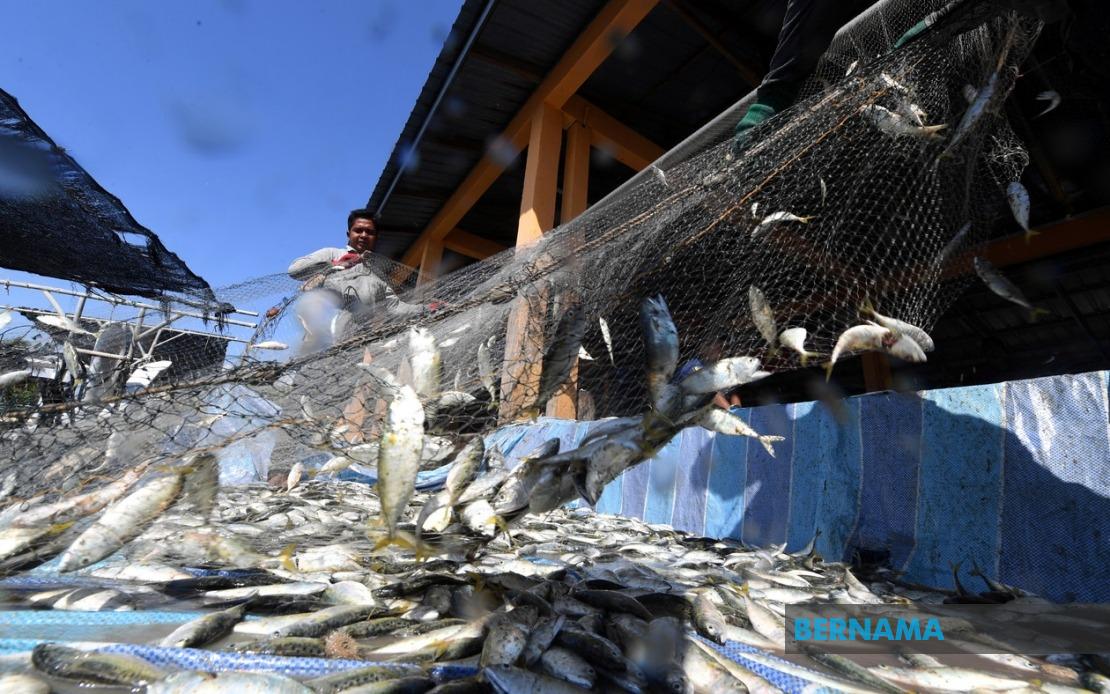
The Malaysian government is backing its commitment to improve living standards in the fishing community through a RM10 million allocation dedicated to the Special Fishermen Housing Project (PKPN) during 2024. The Fisheries Development Authority of Malaysia (LKIM) revealed the investment as it handed over newly constructed homes to recipients in Perlis, marking tangible progress in a programme designed to address housing shortages among lower-income fishermen.
LKIM director-general Datuk Dr Abdul Salim Tajudin explained that the distribution of funds follows a needs-based formula, with each state receiving resources proportional to its fishing population. This approach ensures that regions with larger fishing communities and greater housing demand receive appropriate levels of support, creating a more equitable allocation system across the country's diverse maritime regions.
The initiative represents a strategic component of the government's broader welfare agenda for the fishing sector, which faces persistent socioeconomic challenges including seasonal income volatility and inadequate housing infrastructure. By prioritising quality shelter for vulnerable fishermen, the programme addresses a fundamental need that extends beyond mere construction, contributing to improved family stability, child welfare, and community resilience in fishing villages.
In Perlis alone, LKIM completed five separate housing interventions this year with a combined budget of RM228,000. Two entirely new residential structures were built in Kampung Tanah Timbul and Kampung Padang Besar Selatan, each requiring an investment of RM84,000. Simultaneously, the authority allocated RM20,000 per unit to rehabilitate three existing homes, extending the programme's reach by improving substandard accommodation rather than solely constructing new dwellings.
The dual-track approach—combining new construction with targeted renovation—demonstrates fiscal pragmatism and acknowledges the reality that many fishing families occupy deteriorating structures that require urgent intervention. Refurbishment initiatives often deliver faster results and prove more cost-effective than ground-up building, allowing the programme to assist more households within budget constraints while still meeting quality standards.
According to Datuk Dr Abdul Salim, all scheduled targets for Perlis during this financial year have been achieved, delivering safer and more comfortable living environments to eligible fishing households. This completion milestone suggests effective project management and coordination between federal authorities and state-level implementation partners, indicating that the nationwide programme maintains momentum despite the complexity of managing simultaneous projects across multiple jurisdictions.
The timing of the announcement carries significance for Malaysia's maritime development narrative. As the Southeast Asian region witnesses increasing attention to sustainable fishing practices and fisheries management, investing in fisher welfare reinforces the link between community wellbeing and long-term sectoral stability. Adequate housing reduces financial stress on fishing families, enabling them to redirect limited income toward vessel maintenance, sustainable gear upgrades, and children's education rather than emergency repairs and temporary shelter solutions.
The PKPN reflects international best practices in fisheries development, aligning with United Nations sustainable development goals related to poverty reduction and decent living conditions. Many nations now recognise that supporting fisher communities requires multifaceted approaches extending beyond catch management to encompass social infrastructure, education access, and economic security. Malaysia's housing investment programme positions the country as proactive in addressing these broader dimensions of fisheries sustainability.
Looking forward, the programme's expansion to most states suggests government ambitions to scale impact significantly. Construction across multiple states proceeding toward an August completion deadline indicates disciplined project scheduling and resource deployment. However, sustainability of such initiatives depends on consistent annual funding allocations and robust mechanisms for identifying and supporting eligible beneficiaries, particularly in remote fishing settlements with limited government presence.
The programme's success also depends on complementary initiatives addressing other fisher welfare dimensions. Housing improvements function optimally when paired with livelihood support, access to affordable credit, and insurance mechanisms protecting families during low-catch seasons. Malaysian policymakers increasingly recognise this ecosystem of interventions, though translating comprehensive approaches into sustained delivery remains challenging across dispersed coastal communities.
For Malaysian fishermen and their families, the allocation signals government acknowledgment that the fishing community deserves investment in basic living standards comparable to other occupational groups. Perlis's completion of all scheduled projects this year demonstrates that ambitious targets are achievable, potentially setting expectations for similar performance in other maritime states. As the broader programme continues throughout 2024, the outcomes in Perlis may serve as a template for scaling effective housing delivery mechanisms nationwide, ultimately improving circumstances for thousands of fishing families across Malaysia's extensive coastline.

