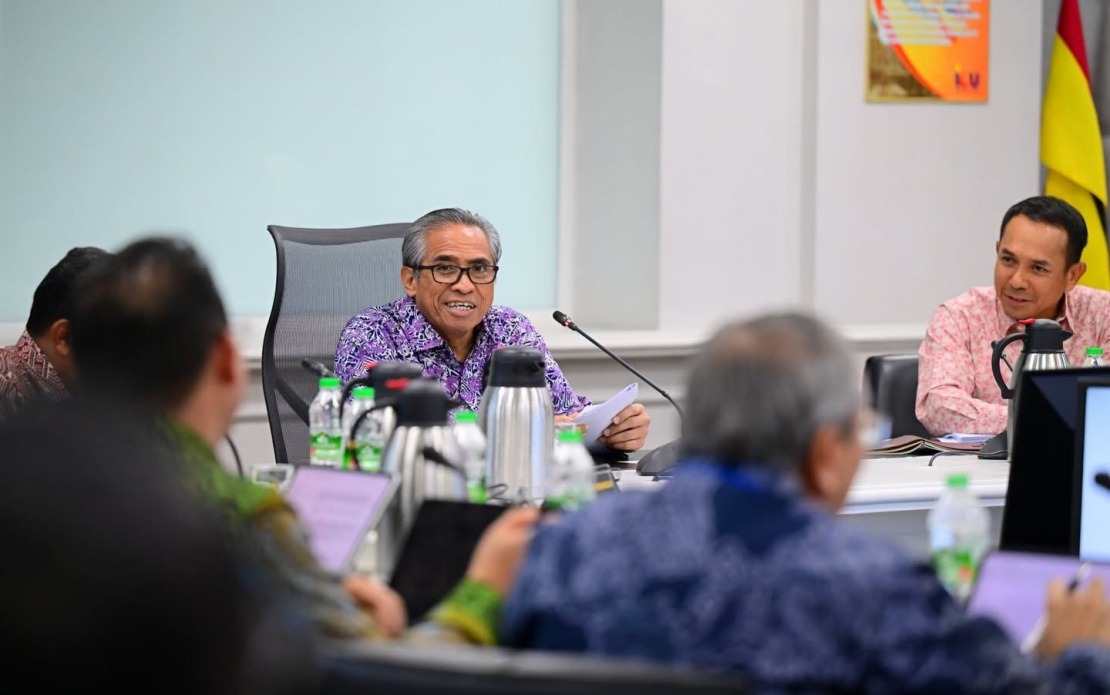
Tan Sri Shamsul Azri Abu Bakar, the Chief Secretary to the Government, has issued a sweeping directive requiring all ministry secretaries-general to concentrate their efforts on expediting more than 40,000 small-scale development projects spread across the nation. The instruction came during a National Development Action Committee meeting that Shamsul Azri presided over, with the agenda focused on unlocking rapid implementation gains through so-called low-hanging fruit initiatives that can deliver tangible improvements to communities without lengthy preparation periods.
The strategic pivot towards accelerating smaller projects reflects a recognition within government circles that large-scale infrastructure schemes, while important for long-term economic development, often face protracted approval cycles and construction timelines. By contrast, the curated portfolio of over 40,000 identified projects addresses immediate community needs through proven, straightforward interventions. This approach aligns with global development practice where quick-win initiatives build public confidence in government delivery capacity whilst establishing momentum for broader reform agendas.
According to Shamsul Azri's public statement, the directive encompasses several categories of urgent maintenance and improvement work. Road repairs feature prominently among the initiatives, alongside routine drainage system maintenance that prevents flooding and related infrastructure damage during monsoon seasons. Government residential quarters, a significant government asset estate, require systematic refurbishment to maintain habitability standards and staff morale. School classroom repairs directly impact educational service delivery, ensuring learning environments meet basic safety and functionality requirements across the rural and urban divide.
The portfolio further extends to healthcare facility upgrades, recognising that primary health infrastructure requires continuous maintenance to sustain service standards particularly in underserved districts. Public stalls and markets represent often-overlooked community assets requiring rehabilitation; these venues function as essential economic nodes for small traders and daily commerce in towns and villages. The breadth of project categories suggests a whole-of-government coordination effort designed to address accumulated maintenance backlogs that accumulate when budget cycles prioritise new capital expenditure over ongoing upkeep.
A critical component of the directive mandates that all secretaries-general conduct field visits to project sites and maintain close monitoring of implementation progress. This on-the-ground accountability mechanism represents a departure from centralised desk-based project management that can obscure ground-level obstacles. By requiring senior officials to personally engage with implementation realities, the government aims to identify and resolve bottlenecks quickly rather than allowing bureaucratic delays to accumulate through departmental channels.
The emphasis on rapid project completion, with most initiatives targeted for completion within three to six months, reflects an understanding that public perception of government effectiveness depends significantly on visible, timely delivery. Extended project timelines breed public cynicism and undermine confidence in institutional capacity. The chosen timeframe targets modest-scale initiatives rather than complex technical undertakings, allowing reasonable completion expectations whilst managing cost overruns that frequently characterise longer-duration projects in the Malaysian context.
For Malaysian readers, this initiative carries implications for local infrastructure quality and government responsiveness. Citizens in constituencies nationwide should expect observably improved local amenities as the 40,000-project portfolio activates. The coordination model emphasises ministerial accountability rather than blame-shifting between departments, potentially establishing precedent for inter-agency cooperation on development challenges. The directive also signals that the government recognises communities' frustration with deferred maintenance that affects daily life quality—crumbling school facilities, potholed roads, and deteriorating markets collectively symbolise institutional neglect.
The regional context merits consideration. Southeast Asian governments increasingly face pressure to demonstrate service delivery effectiveness amid rising citizen expectations. Singapore's meritocratic implementation culture and Indonesia's infrastructure acceleration programmes have created regional benchmarks. Malaysia's focus on systematic project execution through secretaries-general accountability may represent competitive positioning within the region's governance landscape, particularly relevant as the nation pursues middle-income country status requiring institutional reliability comparable to regional peers.
Implementation success depends critically on resource allocation coordination. Ministry secretaries-general require adequate budgetary flexibility to address site-specific variations without requesting additional central approvals that reintroduce delays. Supply chain reliability also becomes paramount; Malaysian construction sectors frequently face material availability challenges that can derail timelines. The directive's success ultimately hinges on whether bureaucratic procedures can be streamlined sufficiently to match the accelerated implementation schedule envisioned by the National Development Action Committee, requiring practical problem-solving capacity beyond written directives.
The focus on small-scale projects also reflects political economy considerations. Such initiatives generate distributed benefits across numerous constituencies, creating positive-sum political outcomes where multiple representatives can claim credit for local improvements. This stands in contrast to large infrastructure projects that concentrate benefits geographically and create visible winners and losers. The 40,000-project approach thus combines genuine development objectives with prudent political strategy, ensuring broad-based constituents experience government benefits.
Moving forward, tracking implementation rates will prove essential for assessing whether the directive translates into action. Public reporting mechanisms that measure completion rates, expenditure efficiency, and citizen satisfaction would enhance transparency and institutional credibility. The directive's ultimate significance depends not on the announcement itself but on sustained execution discipline across dozens of agencies managing diverse projects across the country's varied terrain and administrative contexts.

