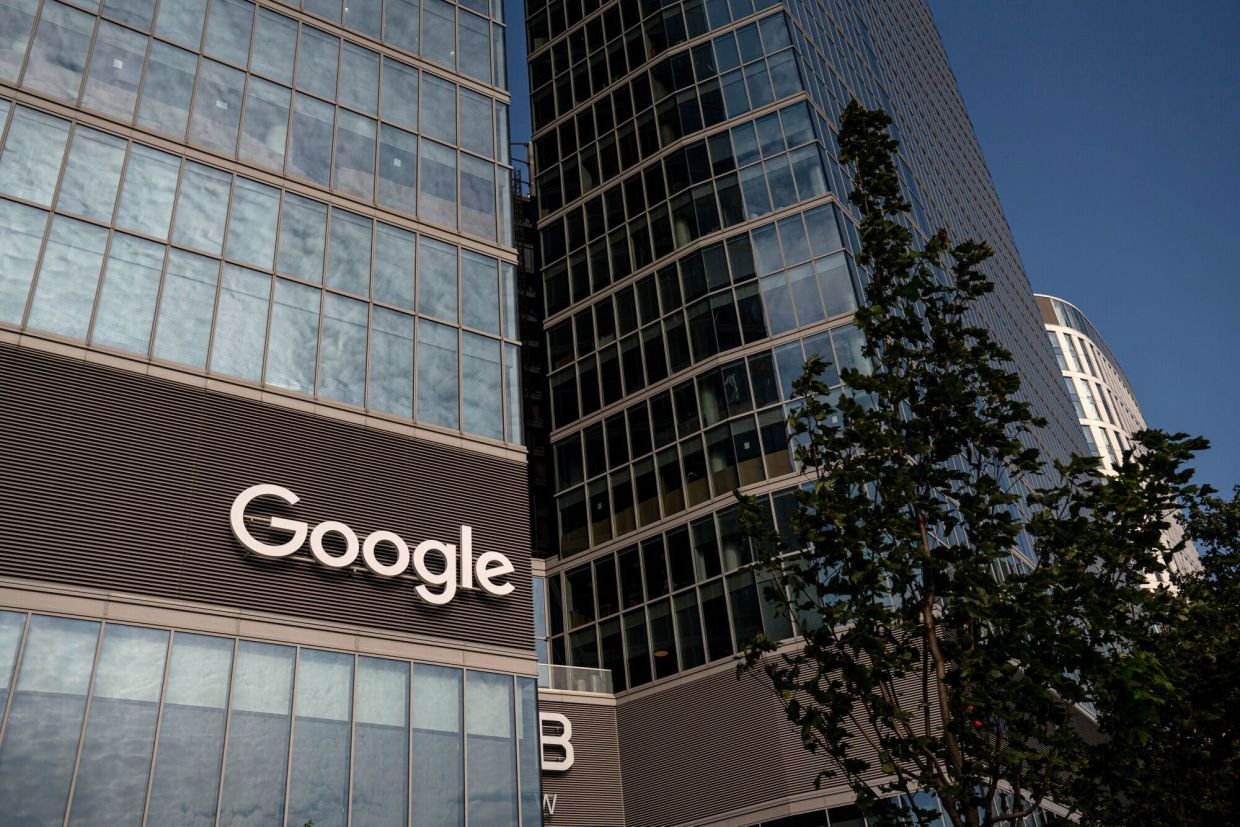
The irony cuts deep at Alphabet Inc's Google: the technology giant aggressively markets artificial intelligence recruitment tools to corporate clients as efficient ways to process massive volumes of job applications, yet internally, some of its own AI researchers are explicitly warning candidates that these very systems are unreliable. This contradiction raises uncomfortable questions about the efficacy and trustworthiness of AI-powered hiring across the tech industry and beyond.
Google DeepMind's AGI Safety and Alignment Team, a unit dedicated to identifying and mitigating risks posed by advanced artificial intelligence systems, has taken an unusual step to protect its recruitment process. The team created a special application form designed to bypass the company's standard automated screening entirely, ensuring that human hiring managers directly review candidate submissions. Internal documents viewed by Bloomberg reveal the team's frank assessment of their own company's technology: there exists a "non-trivial probability" that qualified applicants will be incorrectly screened out or that their applications will languish in the system for extended periods. The confidential nature of the guidance—marked with the plea "PLEASE DO NOT SHARE THIS DOC WIDELY"—suggests Google's own awareness of the reputational sensitivity surrounding this admission.
This move illuminates a fundamental tension within tech industry hiring practices. While Google's Workspace division actively promotes AI-augmented recruitment features to enterprise customers, marketing the ability to "save HR time by quickly creating drafts for job postings, evaluating resumes, and forecasting hiring needs," the company's own researchers are simultaneously signalling that these tools carry substantial risks of failure. The contradiction is difficult to reconcile and raises questions about what Google knows regarding the actual performance of these systems in real-world deployment.
When pressed to respond, a Google DeepMind spokesperson denied that the company's systems produce incorrect screenings, framing the special form instead as a convenience measure that allows candidates to reach team members directly. "This team set up a special form to go past the recruiter review, and get their resumes direct to the people on the team," the spokesperson explained, while cautioning that "there are no shortcuts to getting hired." This defensive posture stands in contrast to the candid language contained within the internal guidance document, suggesting potential divergence between public messaging and private understanding of system limitations.
The integration of artificial intelligence into hiring workflows has accelerated dramatically over recent years, driven by the promise of efficiency and objectivity. Some companies employ AI models to rank applicants according to complex algorithmic criteria, whilst others use simpler automated systems to filter resumes for specific keywords and qualifications. However, the methodologies remain opaque to job seekers and sometimes even to HR professionals operating these systems. This opacity creates space for systematic bias and discriminatory outcomes, whether intentional or not.
Recent investigations and legal actions have exposed the darker implications of automated hiring systems. A Bloomberg investigation documented instances where OpenAI's ChatGPT displayed potential bias correlated with applicants' names, suggesting that AI systems can encode and perpetuate discrimination present in their training data. More significantly, Workday Inc, a major provider of workplace management software used by numerous organisations globally, now faces a lawsuit alleging that its AI hiring systems systematically screen out applicants based on race, age, and disability status, in violation of employment discrimination laws. Workday has defended itself by asserting that humans retain ultimate decision-making authority, though the company declined to provide additional comment when approached for further clarification.
For Southeast Asian and Malaysian readers, these developments carry particular relevance. As multinational corporations increasingly deploy standardised AI hiring systems across regional offices, job seekers in this region risk being disproportionately affected by algorithmic bias. Hiring systems trained predominantly on Western applicant data may unfairly disadvantage candidates with non-English-language education histories or names that diverge from patterns in the training dataset. The lack of regulatory oversight of these systems means that candidates have limited recourse if they believe they have been wrongly filtered out, and they often remain unaware that algorithms rather than humans made the decision.
Meanwhile, some job applicants have begun gaming these systems strategically, using AI tools to generate applications at scale or to optimise their submissions for algorithmic screening. The DeepMind team anticipated this development and included a warning within their special form: "A real human will read these. These humans get really tired of reading LLM answers, because they all sound very samey." This advisory reflects a secondary problem emerging as the hiring landscape becomes increasingly AI-mediated—the proliferation of AI-generated application materials that may technically pass automated filters but alienate human reviewers who recognise the artificiality of the responses.
The situation at Google DeepMind highlights the broader challenge facing the technology sector. Companies that develop and profit from AI systems often lack sufficient confidence in those same systems to deploy them without reservation in their own operations. This raises a critical question: if the architects of these technologies do not fully trust them for their most sensitive decisions, should other organisations? The implicit answer suggested by Google DeepMind's actions is clearly negative, yet the company continues to market similar tools to clients, creating a troubling gap between internal scepticism and external promotion.
For job seekers across the region and beyond, the lesson is clear but sobering. Automated hiring systems present genuine risks of unfair screening, and candidates cannot assume that their qualifications will receive fair consideration within purely algorithmic systems. The existence of workarounds at Google—a company with substantial resources and technical expertise—suggests that applicants should seek every opportunity to ensure human review of their applications. Whether through direct network connections, special submission forms, or other mechanisms, circumventing automated screening has become a practical necessity rather than an optional advantage in contemporary job markets where AI intermediaries have become gatekeepers to opportunity.

