A Belgian university has suspended a postdoctoral researcher who levelled plagiarism allegations against a Cambridge professor who subsequently died, marking another twist in a controversy that has gripped European academic circles. Nathan Cofnas, working in the philosophy and moral sciences department at Ghent University, now faces investigation and potential dismissal after the institution determined that his public statements warranted disciplinary action. The suspension underscores the deeply polarised nature of the dispute and raises uncomfortable questions about how universities balance academic freedom with institutional responsibility when serious allegations emerge.
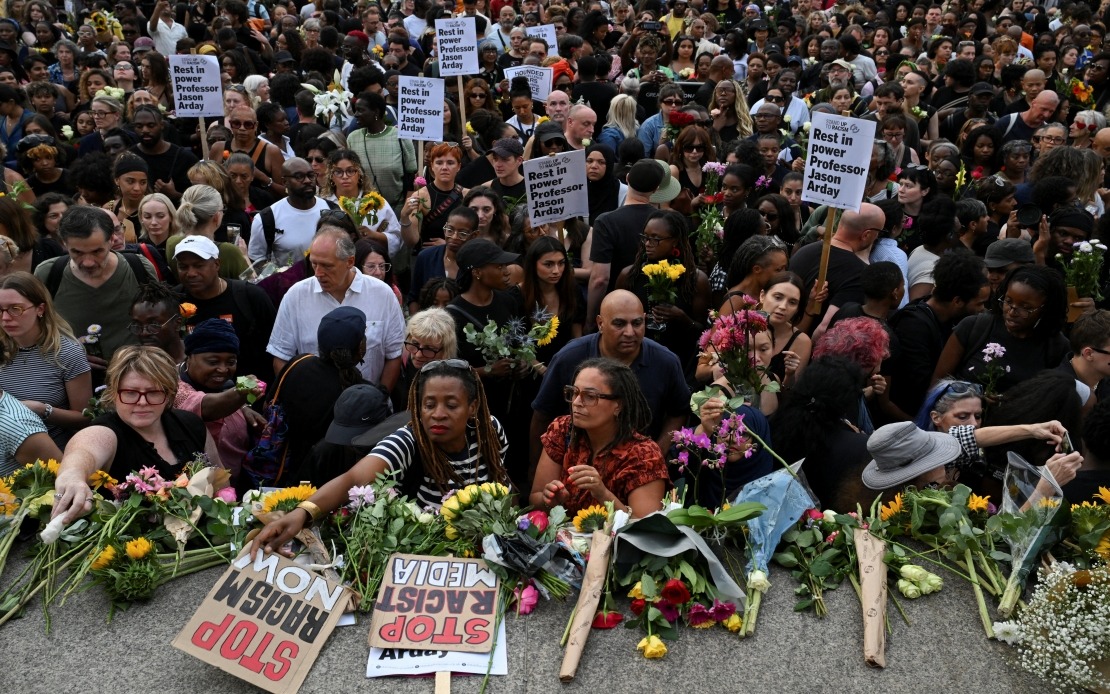
Cofnas had accused Jason Arday, Cambridge's youngest Black professor when appointed in 2023, of plagiarism before the academic resigned from his university post in early August. The controversy erupted publicly in July following media scrutiny of Arday's published work, his biographical narrative, and elements of his professional record. Within weeks, Arday departed his position at Cambridge, stating that his resignation should not be construed as acceptance of allegations circulating about him. The situation deteriorated further when Arday was found dead at his south London home on 14 August, with police confirming the death as unexpected but not suspicious.
Arday's appointment had represented a significant milestone for diversity in British academia. The son of Ghanaian immigrants raised in a working-class south London neighbourhood, he had spoken openly about his autism and learning difficulties, recounting how he remained nonverbal until age eleven and did not acquire literacy skills until eighteen. His trajectory from such circumstances to a professorship at one of the world's most prestigious institutions had garnered widespread media attention and was presented as an inspirational narrative of educational achievement against considerable odds. This background context becomes crucial to understanding why the subsequent plagiarism allegations generated such intense debate within academic and broader public discourse.
Cofnas announced his suspension on social media, claiming he was under investigation for allegedly discriminating against Arday. In separate posts, he predicted his imminent termination. The researcher has been forthright about his intellectual positions, identifying as an advocate for what he describes as "race realism." In 2024, he had already lost a research fellowship at Emmanuel College, Cambridge, following publication of a blog post arguing that Black populations possess lower average intelligence than white populations and suggesting that in a genuine meritocracy, Harvard would have virtually no Black professors. That episode illustrated how Cofnas's scholarship and public statements positioned him at the contentious intersection of academic inquiry, racial discourse, and institutional values.
Ghent University's leadership responded with a carefully calibrated statement acknowledging that Arday's death should inspire thoughtful reflection. Rector Petra De Sutter and Vice-Rector Herwig Reynaert affirmed the institution's commitment to academic freedom and open debate, even regarding controversial positions. However, they emphasised that such freedom carries corresponding responsibilities and boundaries. The university declared that it takes discrimination, hatred, and racism seriously, indicating that Cofnas's recent public statements had crossed an institutional threshold requiring intervention. The leadership noted that freedom of expression in academia does not operate without limits and must be balanced against protecting the rights of others within the university community.
The suspension reflects contemporary challenges universities worldwide face when managing competing obligations: protecting free inquiry and intellectual debate while simultaneously safeguarding individuals and communities from discrimination and harm. Ghent University stated that it was treating Cofnas's statements "very seriously" and had implemented "appropriate action" within its legal authority and institutional framework. The institution notably declined to specify what additional measures might follow, suggesting ongoing deliberations about the proportional response. This opacity reflects the sensitivity surrounding cases where accusations of discrimination intersect with deaths, plagiarism disputes, and questions about race in academia.
Arday's career trajectory and subsequent controversy carry particular resonance for Southeast Asia and developing nations worldwide. His appointment represented what many saw as overdue recognition of merit and diversity within elite institutions. Yet the allegations and his sudden death created a narrative that complicates simplistic celebrations of institutional progress. For Malaysian and regional academics, especially those from minority backgrounds or non-traditional educational pathways, the case illustrates both the possibilities and hazards of breaking into prestigious international academic spaces. Questions about support systems, verification processes, and how institutions handle allegations remain pertinent across all university systems, regardless of geography.
The timeline of events compounds the tragedy and complexity. Arday resigned on 5 August, explicitly rejecting the framing of allegations against him. Cambridge subsequently announced it would investigate the circumstances of his appointment, a step that appeared to validate concerns even as Arday disputed them. His death nine days later disrupted any normal investigative or disciplinary process and transformed a professional controversy into a tragedy with unanswered questions. For those already sceptical of institutional responses to such allegations, the sequence appeared to demonstrate how scrutiny and reputational pressure can accumulate with devastating personal consequences.
The contrast between Arday's public identity and the allegations demonstrates how academic achievement and personal narratives can become contested terrain. Arday had authored accounts of overcoming severe obstacles to reach an elite position, a narrative that resonated across educational sectors and inspired many. The plagiarism allegations, if substantiated, would undermine the very authenticity of his scholarly voice and transformative story. Conversely, from another perspective, intense scrutiny directed at a Black academic might itself reflect longstanding biases about whose achievements require heightened verification. The institutional suspension of Cofnas suggests some actors believe the latter concern warranted a response.
For universities navigating these disputes, the stakes extend beyond individual careers. Institutional credibility depends on managing allegations thoroughly and fairly while protecting members from discrimination. The fact that both the accuser and the accused are now effectively removed from academic positions—one through suspension, the other through death—leaves many questions unresolved. Cambridge's planned investigation into Arday's appointment may provide some clarity, but it cannot address the fundamental tragedy or the competing narratives that define this case. Other researchers, administrators, and institutions worldwide will scrutinise how these events unfold, particularly regarding how allegations are investigated and how institutions balance accountability with protection from harm.

