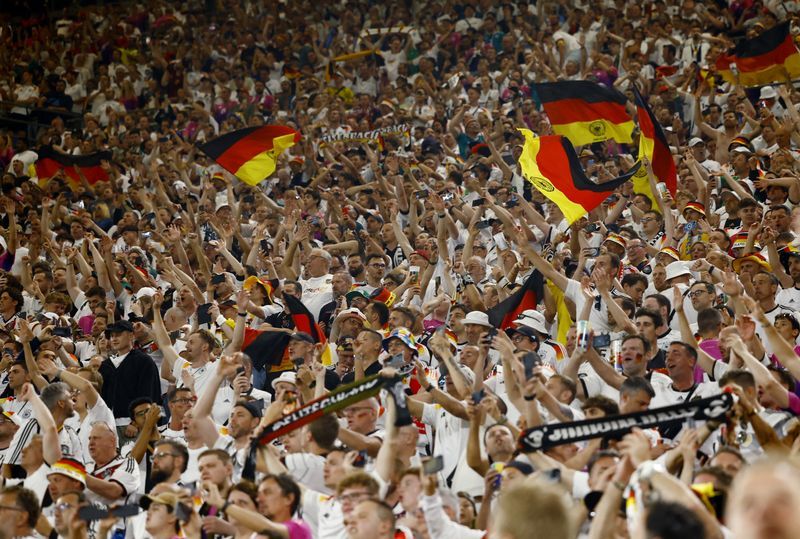
German law enforcement agencies have launched a significant investigation into suspected misconduct surrounding ticket distribution for Euro 2024, with raids extending to the Deutsche Fußball-Bund (DFB) headquarters in Berlin. The operation, carried out on Wednesday, formed part of a broader inquiry targeting multiple locations across Germany and signals growing scrutiny of administrative practices within one of football's most prominent governing bodies ahead of the tournament.
The investigation centres on allegations of improper ticket allocation procedures, a matter that carries serious implications for how the continental championship manages access to matches. According to reporting by the Bild newspaper, the searches encompassed several sites nationwide, though official statements from police and prosecutors have not explicitly confirmed the DFB's involvement, instead noting that inquiries were being conducted at various German addresses.
Among those under investigation are individuals holding both German and French nationality, according to Bild's account. This international dimension adds complexity to the case and suggests potential involvement spanning multiple countries, possibly indicating a coordinated scheme to circumvent official ticketing channels. The nature of such allegations remains typical in major sporting events, where secondary markets and unofficial distribution networks frequently emerge around high-demand fixtures.
The DFB, as Germany's governing authority for football at all levels, bears responsibility for ensuring transparent and equitable ticket distribution mechanisms. The association faced particular pressure heading into Euro 2024, given Germany's status as tournament host and the enormous public interest in securing admission to matches. Any irregularities in how tickets were allocated could undermine confidence in the DFB's administrative competence during a period when the organisation's credibility was already under scrutiny from various quarters.
Ticket allocation scandals have periodically affected major tournaments across Europe. The scale and profile of Euro 2024, combined with ticket scarcity for matches involving host nation Germany, created an environment where illicit distribution channels could potentially flourish. Demand for seats substantially exceeded supply, particularly for games featuring the German national team, creating financial incentives for those seeking to exploit the allocation process.
The decision to conduct searches at the DFB's central offices indicates investigators believe evidence of alleged misconduct may reside within the organisation's own systems and records. Such operations typically involve examination of digital communications, financial transactions, and administrative documentation that could illuminate how tickets were distributed and whether established protocols were bypassed. The timing of the investigation, launched during the tournament period itself, underscores the seriousness with which authorities are treating the allegations.
For Malaysian and Southeast Asian observers of European football, this development carries lessons regarding governance standards within prestigious sporting institutions. The DFB's international reputation and the visibility of German football globally means that any internal investigations can affect perceptions of how major European sporting bodies operate. Malaysia's own football administration has at various times faced similar scrutiny regarding transparency and proper governance procedures, making the German case relevant for comparative discussion.
The broader context involves Euro 2024's significance as a landmark event for European football. As the continent's premier international tournament outside World Cup cycles, it attracts unprecedented attention and commercial activity. Tournament organisers, host nations, and governing bodies face mounting pressure to demonstrate that administrative processes remain immune from corruption or irregularity. When investigations emerge, they inevitably raise questions about oversight mechanisms and internal controls that were presumably in place.
Official statements from German law enforcement and prosecutorial authorities have maintained a measured approach, neither elaborating extensively on investigation specifics nor confirming details that media outlets like Bild have reported. This cautious stance reflects standard investigative practice, where premature public disclosure might compromise ongoing inquiries or prejudice potential proceedings. However, the very fact that coordinated raids occurred across multiple locations suggests prosecutors possessed substantial grounds for authorising such intrusive measures.
The implications extend beyond the immediate investigation into ticket irregularities. Should wrongdoing be established, the DFB would face reputational damage at a moment when German football seeks to project itself as a well-managed, professionally administered sport. The association has invested considerable effort in rebuilding its public standing following previous controversies, and a major investigation during Euro 2024 could complicate that narrative.
Looking forward, the investigation's outcome will likely influence how Euro 2024 proceeds operationally and how the DFB manages remaining fixture logistics. If systemic problems with ticket allocation are uncovered, tournament organisers may need to implement corrective measures affecting future matches. For supporters, such investigations theoretically strengthen confidence that official channels and proper procedures are being protected and enforced, though only if conclusions result in transparent accountability and demonstrable reforms.
The case also reflects broader challenges European sports institutions face regarding transparency and governance. As fan engagement, commercial stakes, and political visibility of major tournaments continue rising, the demand for rigorous administrative standards intensifies. Investigations such as this one serve as reminders that even established, well-resourced organisations remain subject to scrutiny and must maintain vigilance against the misconduct that emerges whenever valuable commodities like tournament tickets are at stake. The investigation's progression will offer important insights into whether European football's governance structures prove sufficiently robust to detect and address such problems.

